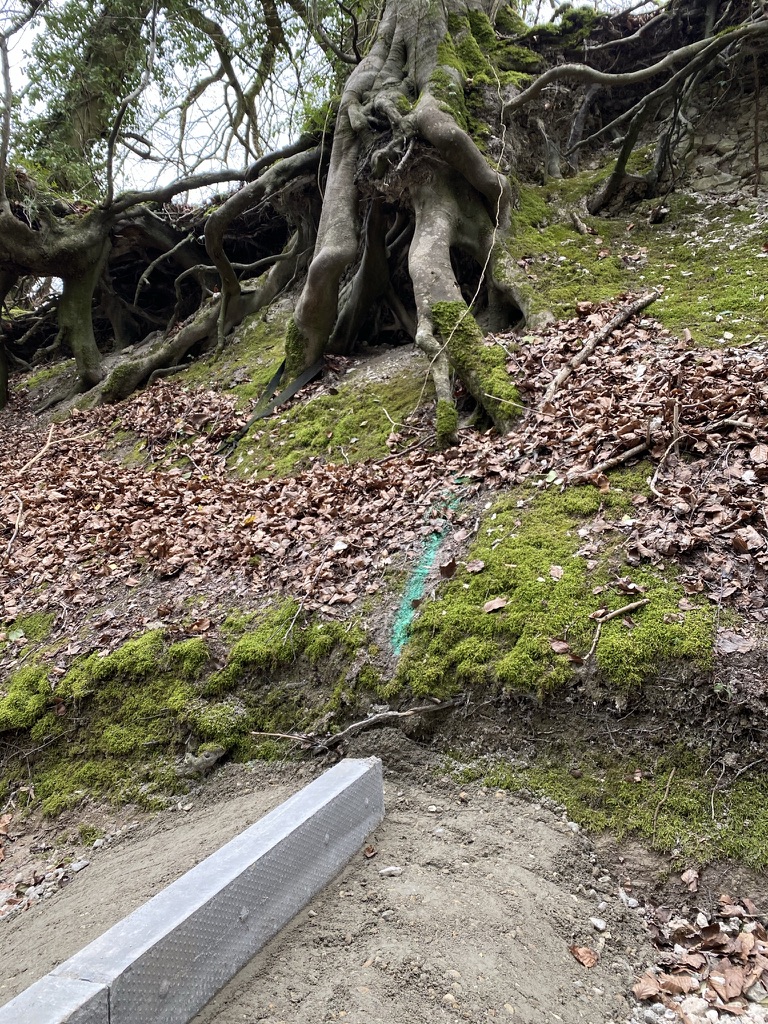
During March and April this year I was able to witness and record a major human intervention on Byway 745. The rutted chalk track was being ‘repaired’ to allow more even public access to users of this Byway Open to All Traffic. I have hours of video footage and many still photographs that need to be edited to make sense of what I was witnessing.

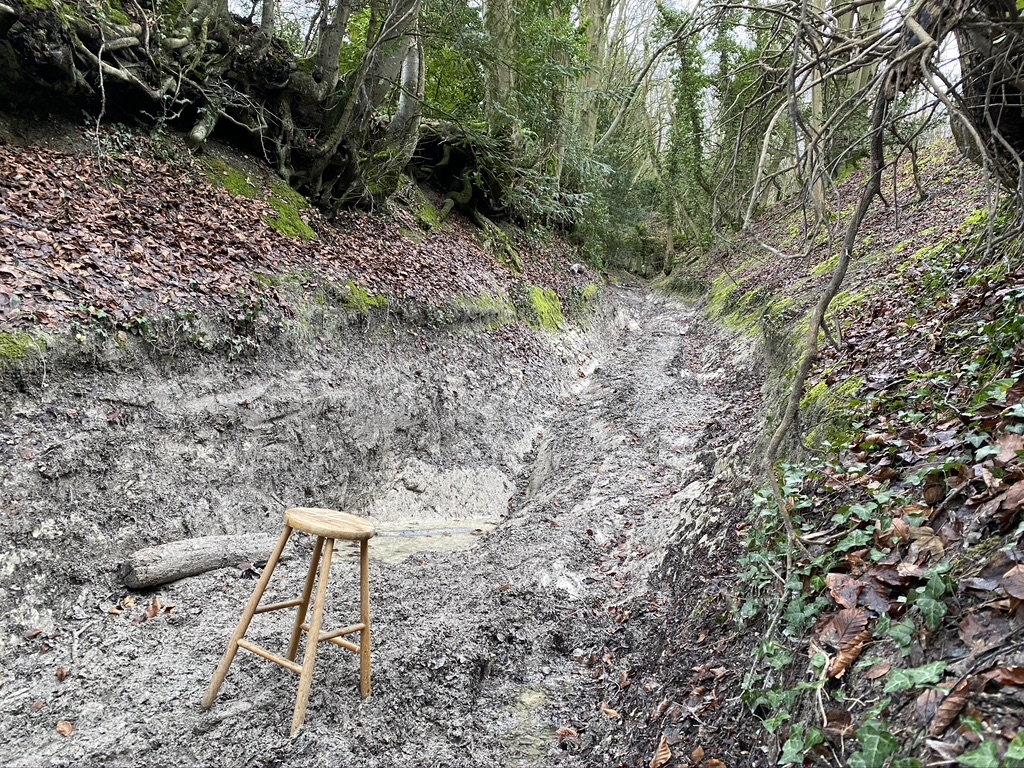


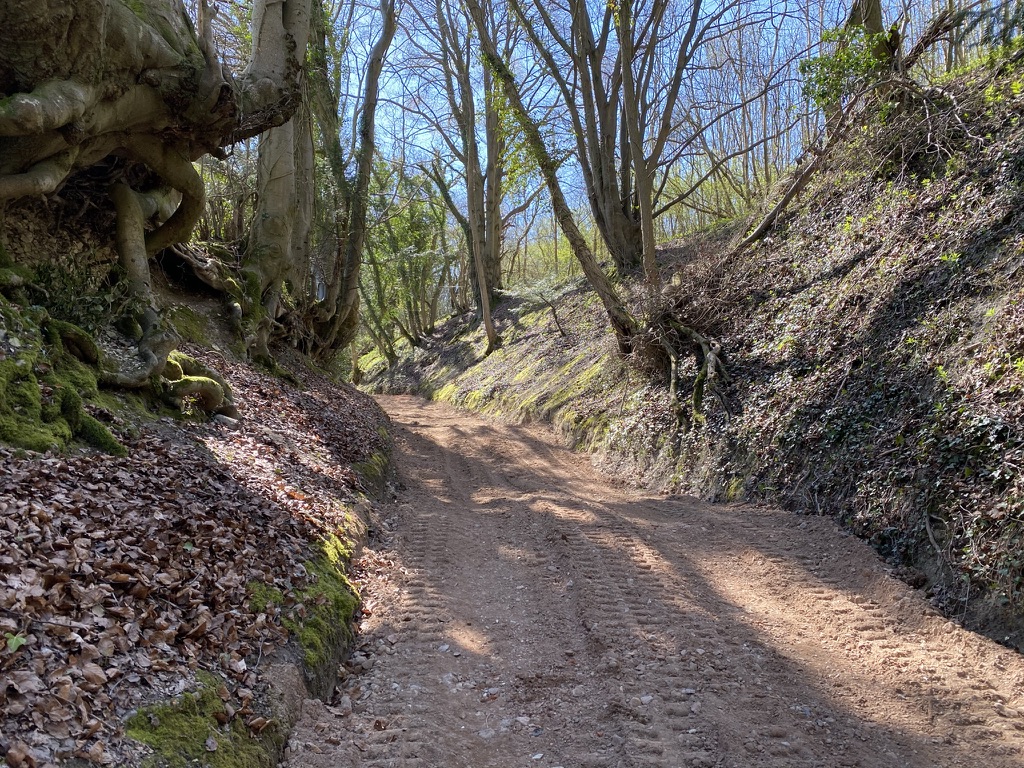
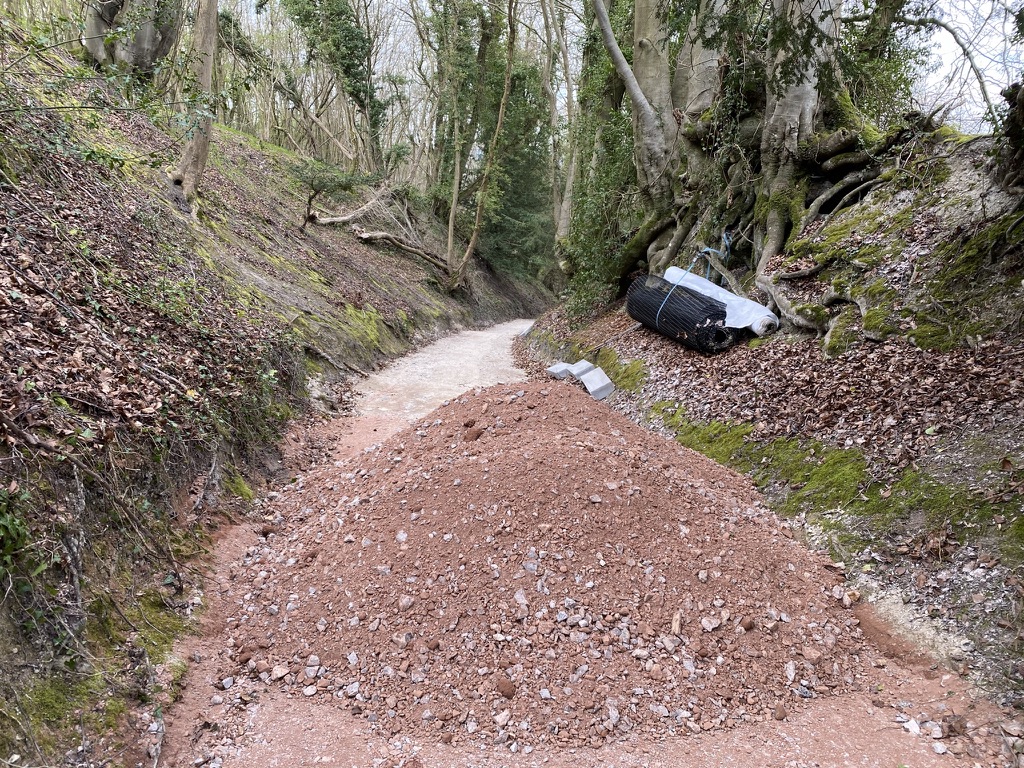
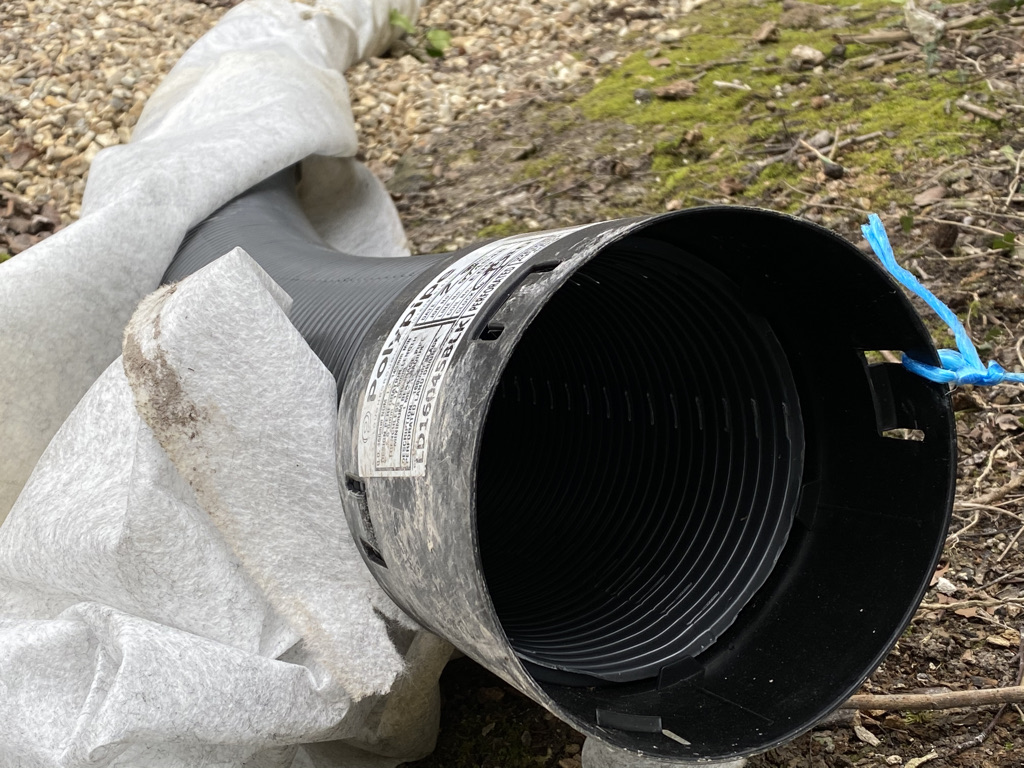
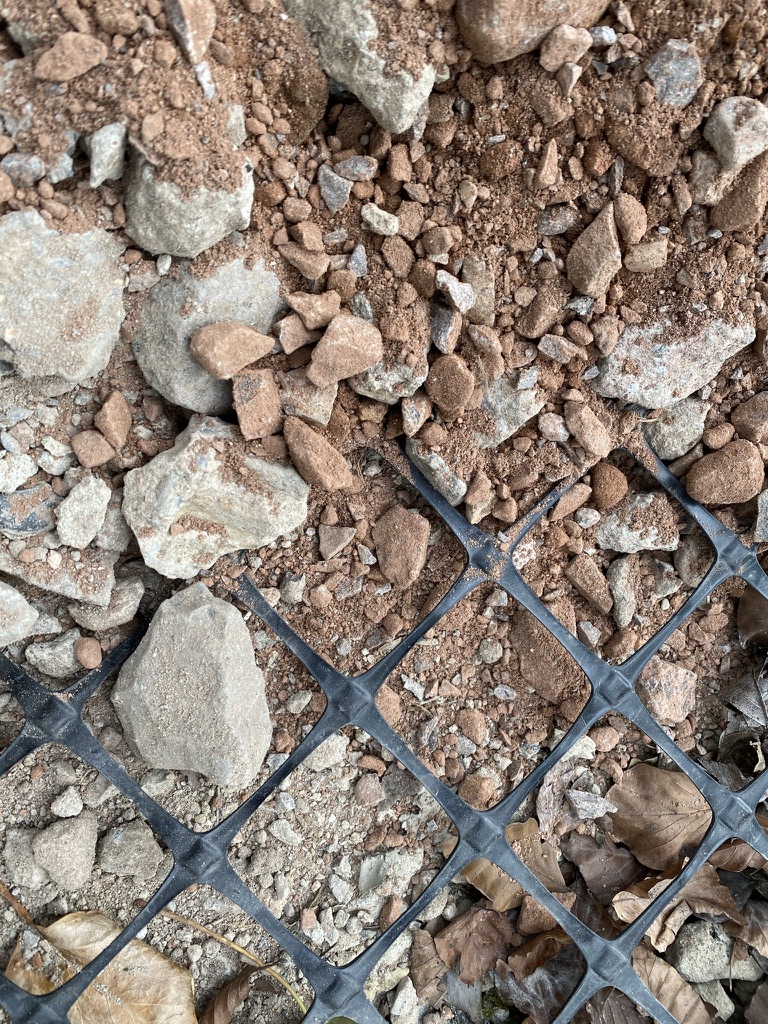
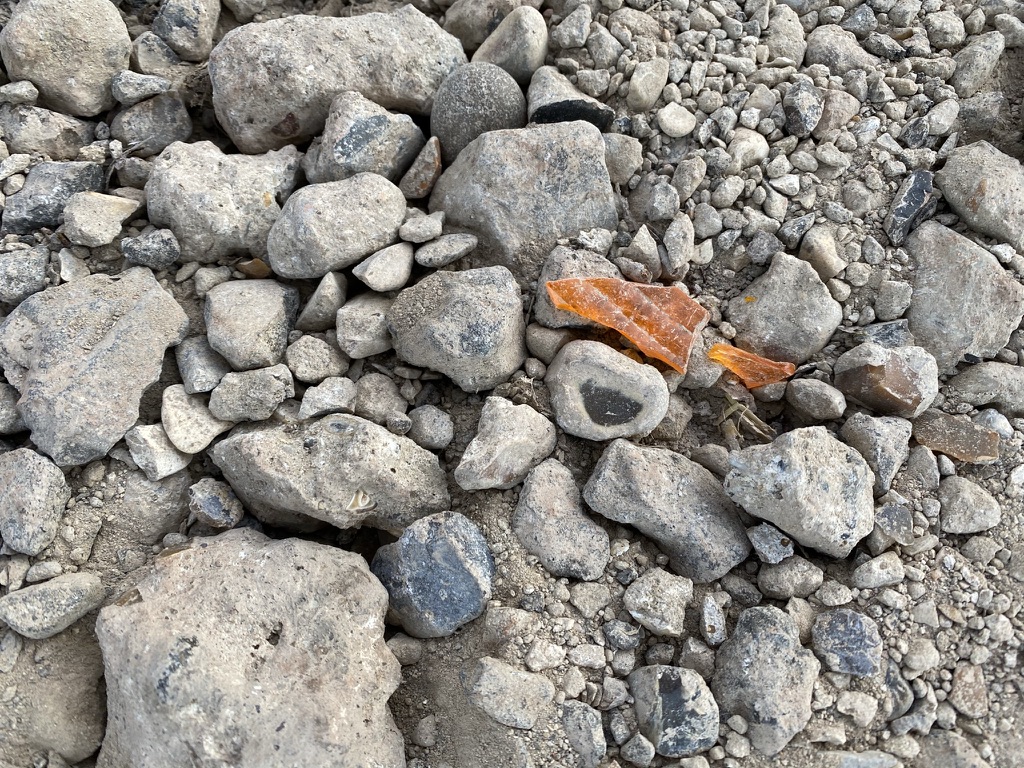
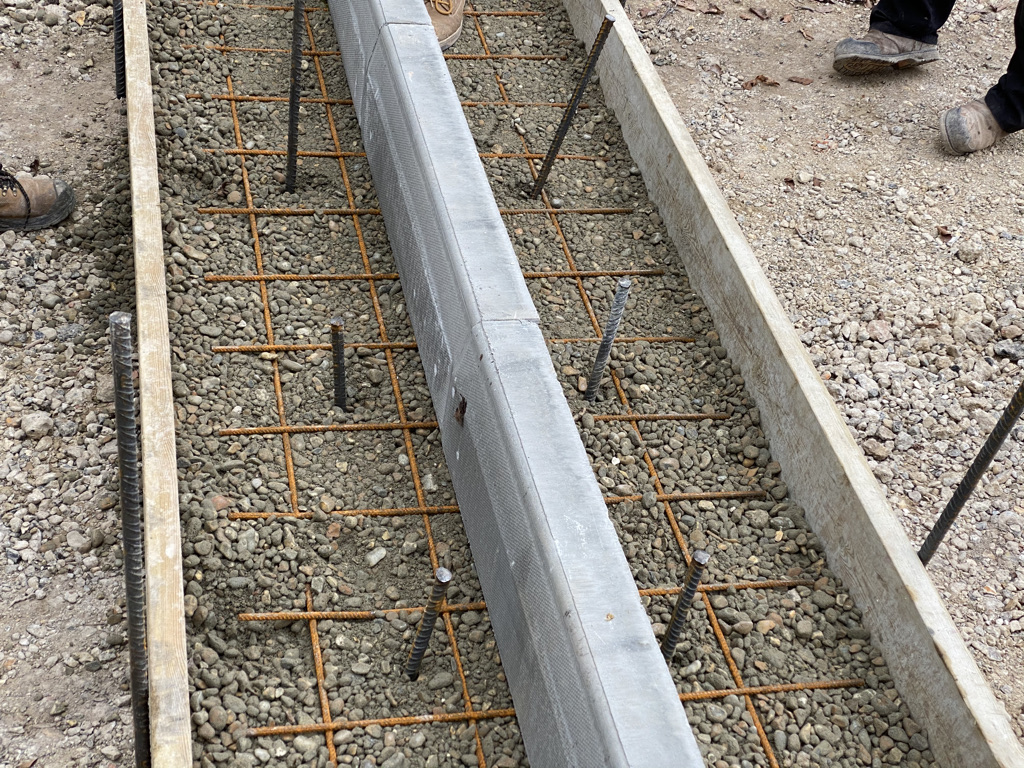
The task of logging all the footage is complete and now I am developing the script for my video which, in turn, will form part of a larger multi-disciplinary work about the location. Looking through all the still photographs that accompany the video has been a crucial step in this process, allowing me to see what the central concerns of the work really are. What has emerged is a need to concentrate on the changes imposed on the part of the track I call Byway 745 Observatory. This is the area that has undergone the most change with the installation of a drainage pipe, concrete bulkheads and a back filling of hardcore and limestone. The bedrock of chalk that was previously exposed in deep ruts eroded by rain water flowing down the hill and exacerbated by 4 x 4 recreational vehicles has been buried under this new surface.
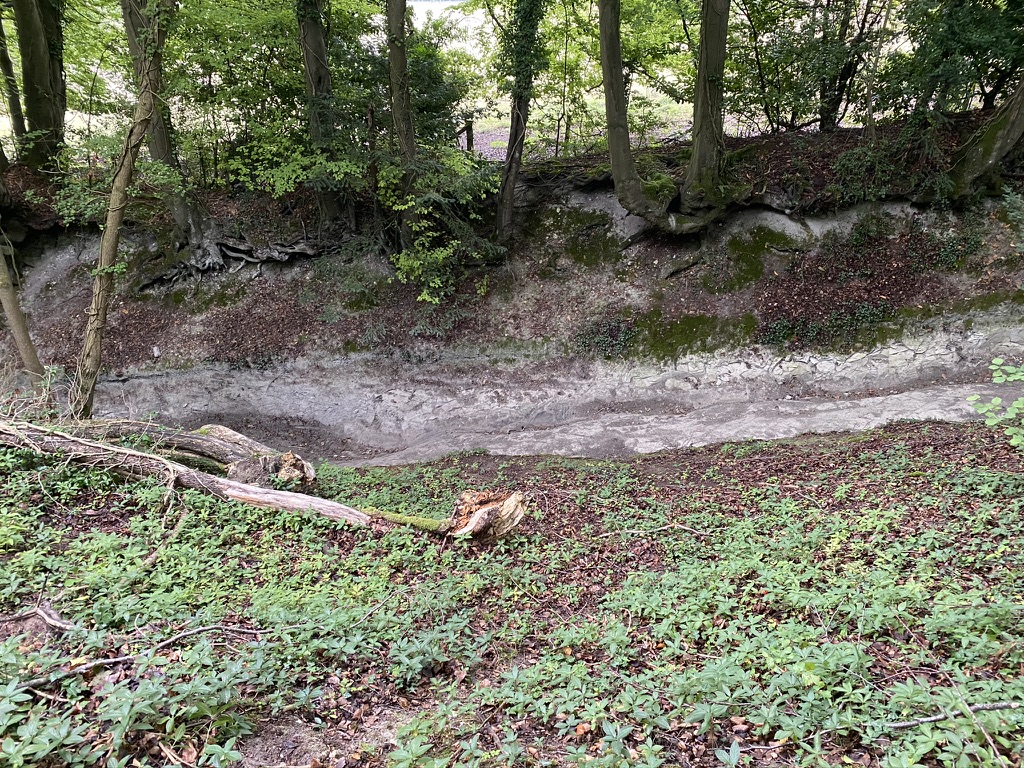

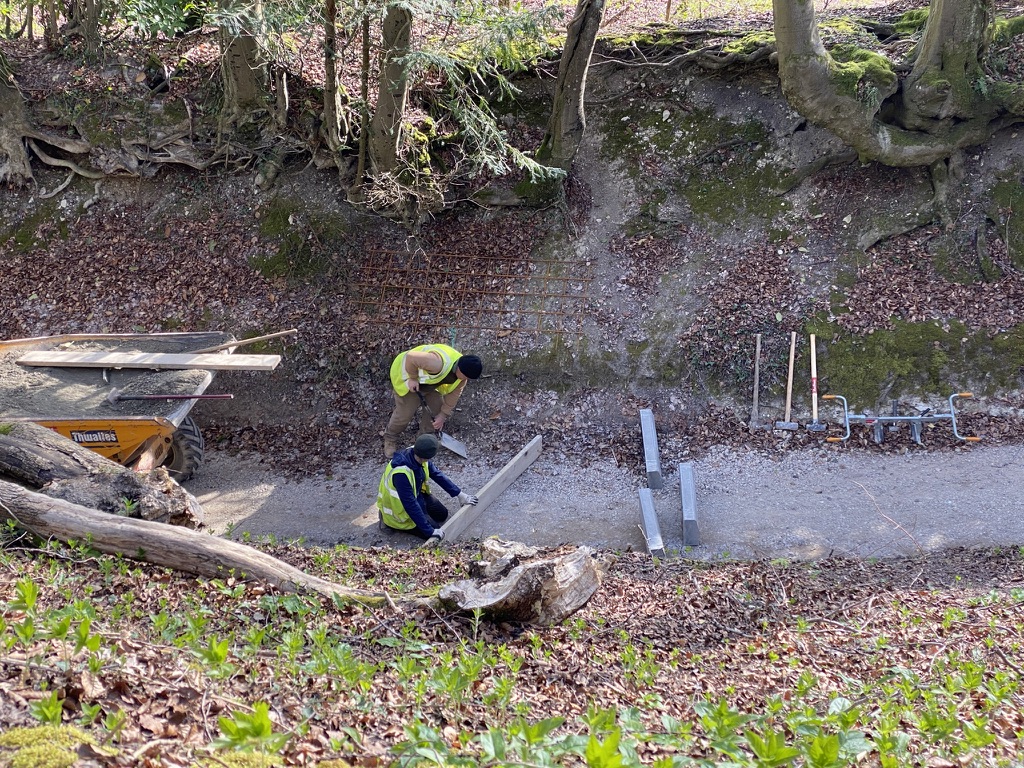

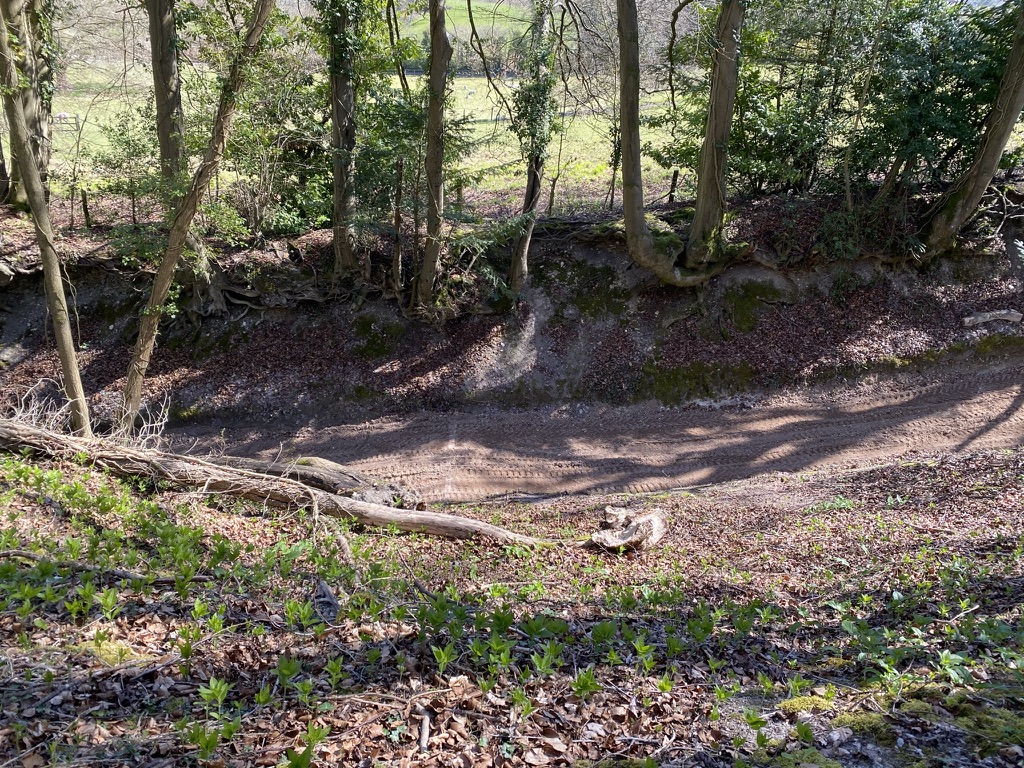
It is a surface of human generated deposits that is described in geological terms as part of the Quaternary layer – that of alluvial deposits, landslip, landfill, worked and made ground. Those last two categories are the most rapidly growing and are made up largely of concrete, production of which is currently around 30 billion tons a year. They also contain vast amounts of plastics. Ironically, this conservation project has been no exception to the trend.

All photographs by Liz Clifford.
 Liz Clifford
Interesting observations and analysis of the site together with the manifold problems created including those done in good faith. It’s sad these measures have to be taken to preserve nature.
LikeLike