Alt-terior

Since completing my Final Major Project, Byway 745 Observatory, for the MA in Fine Art at UCA Farnham, I have had time to reflect on the work and to present another iteration in a gallery context. I’ve also been able to publish a video of the installation for those unable to visit in person.

Making this video was an opportunity to guide the viewer around the space and use the camera to pick out the cross-references between objects, drawings, sculpture and the digital elements. I’ve used parts of the soundtrack from the video screened in the space to lay over the images, giving it more prominence. The 4 minute duration aims to point out the components of the piece without telling the whole story and I have been able to add it to my Postgraduate Showcase on the UCA website.

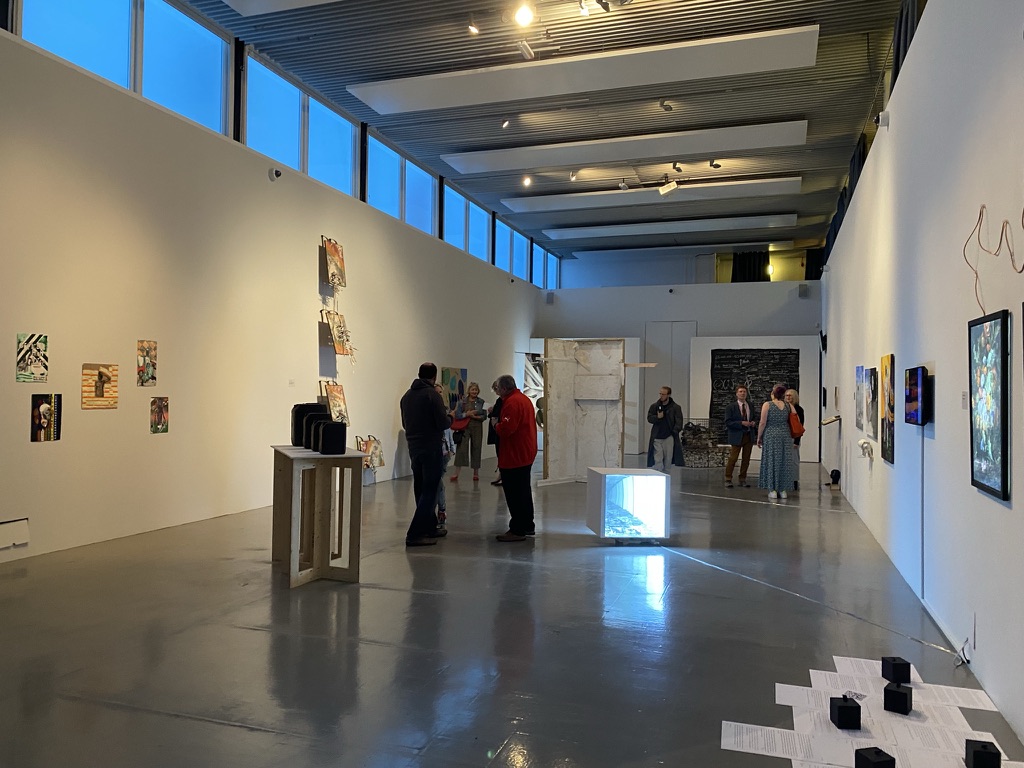
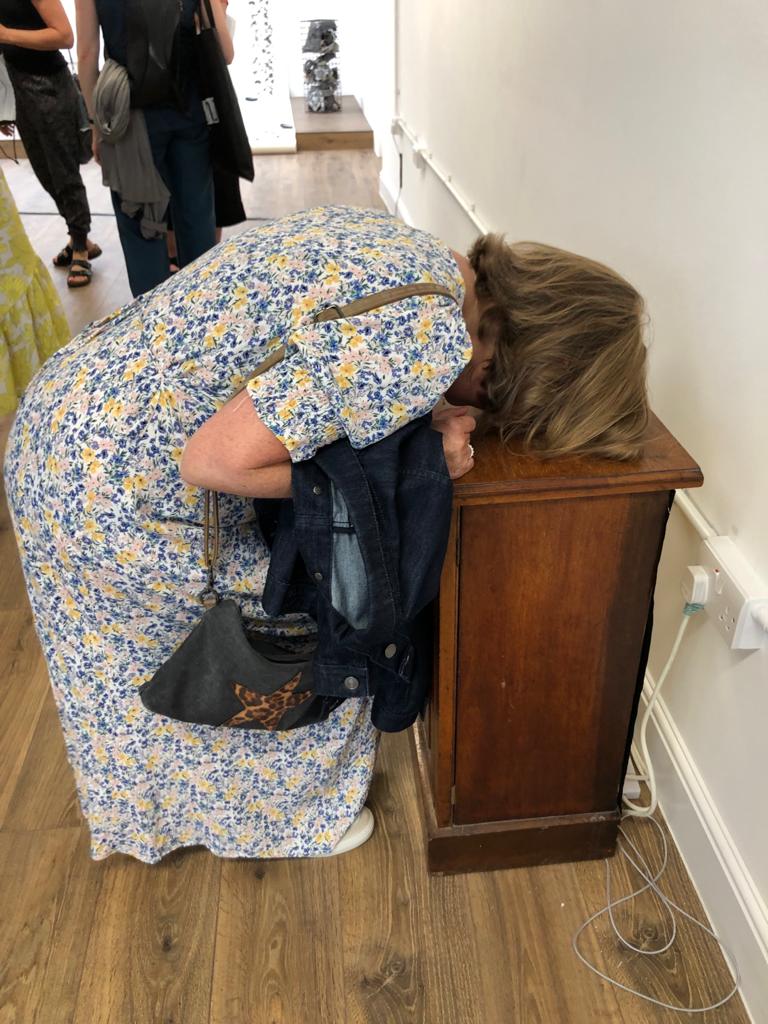
The full installation has been dismantled now but some parts of it are being exhibited in the James Hockey Gallery, the university’s public exhibition space. Titled Alt-terior, this show presents selections from twelve graduating artists’ final projects. One large space is inhabited by the diverse set of works rather than being compartmentalised as they were in the studio spaces. This has allowed new thresholds and connections to be established between the works.

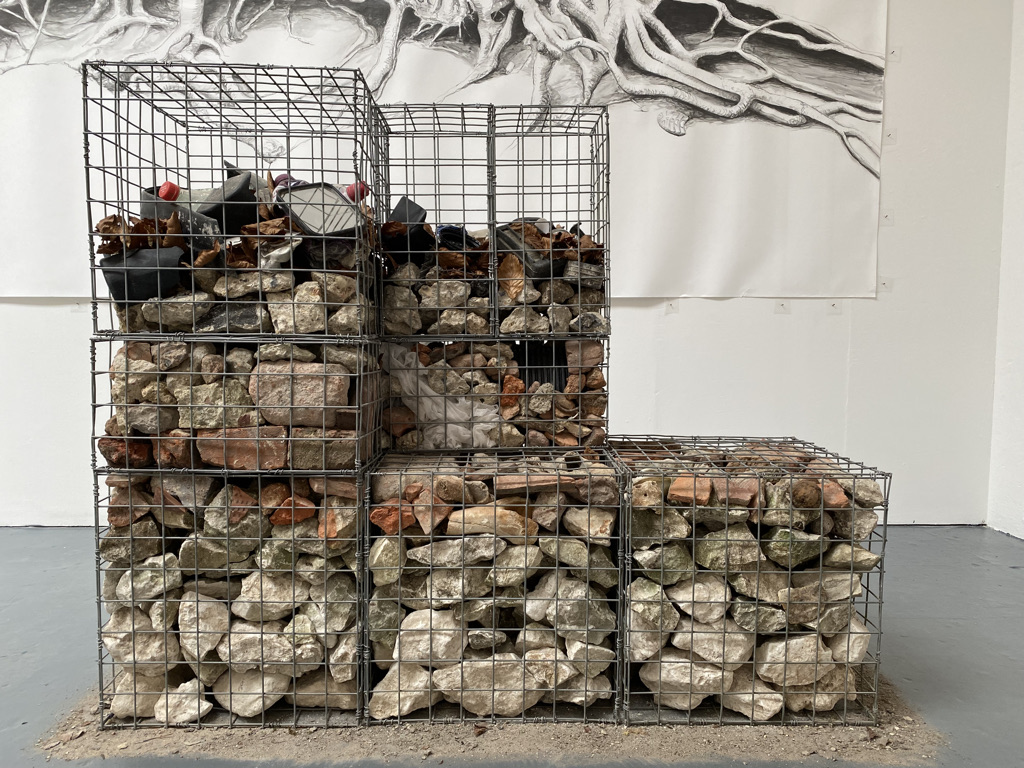
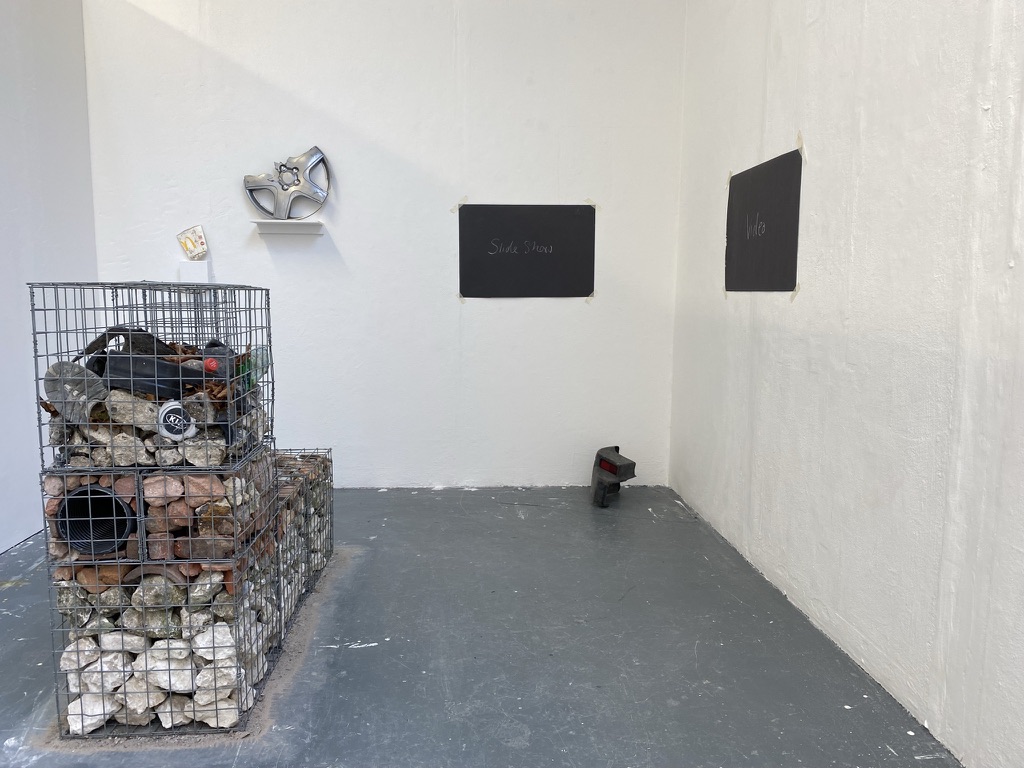
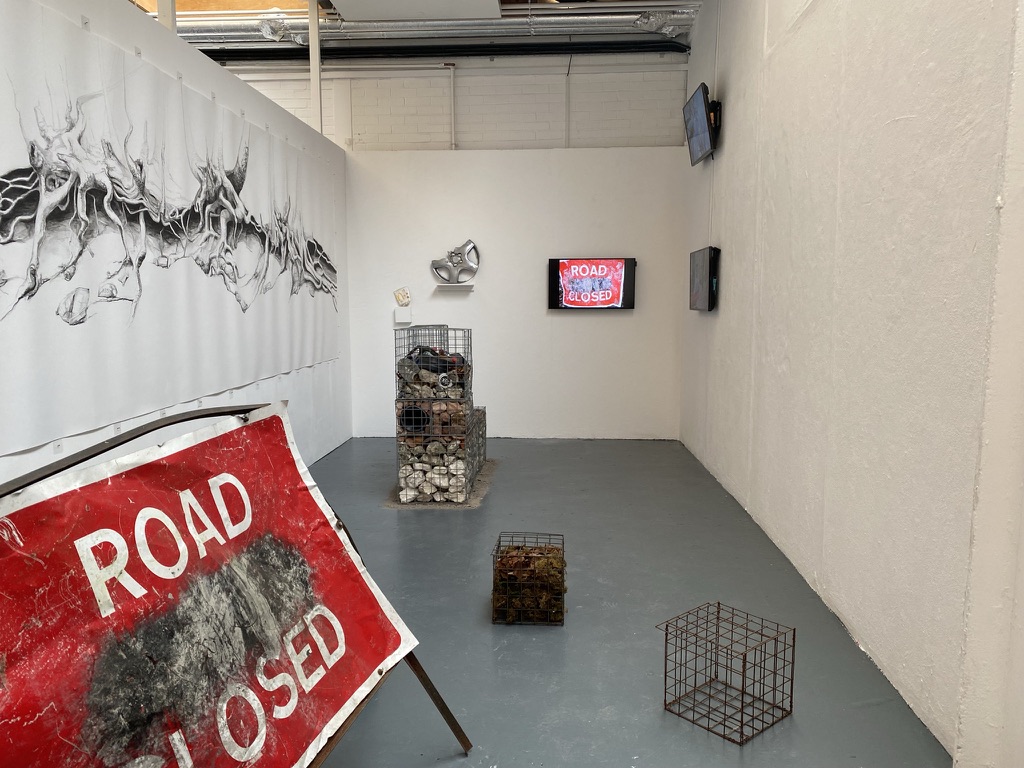
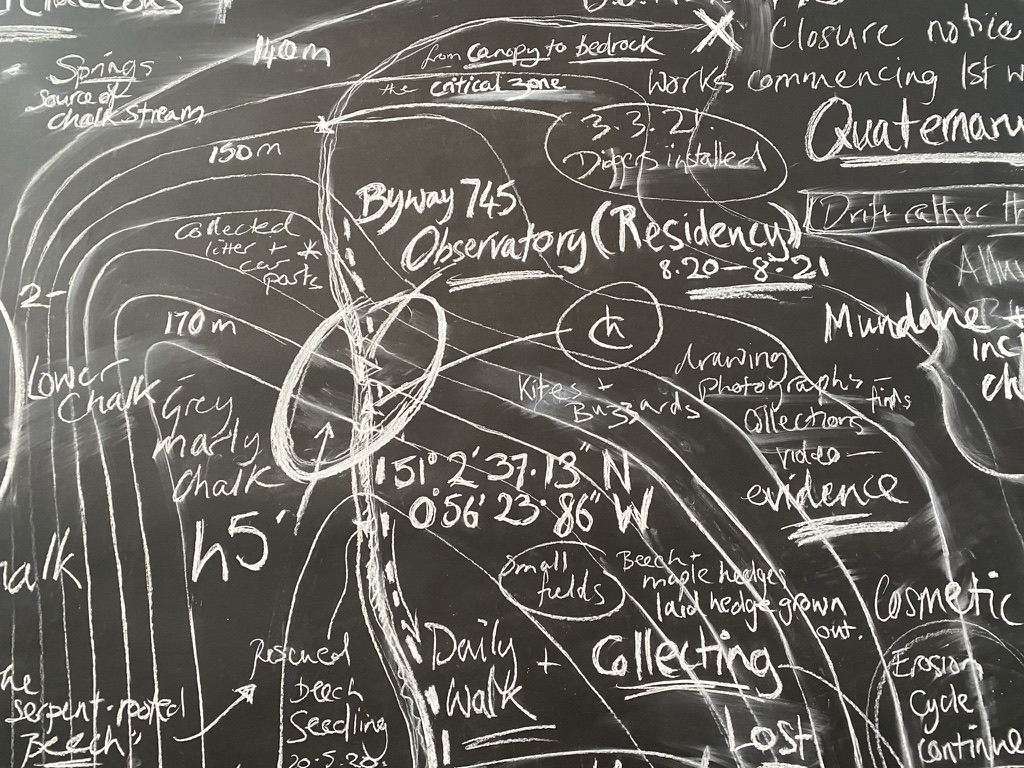
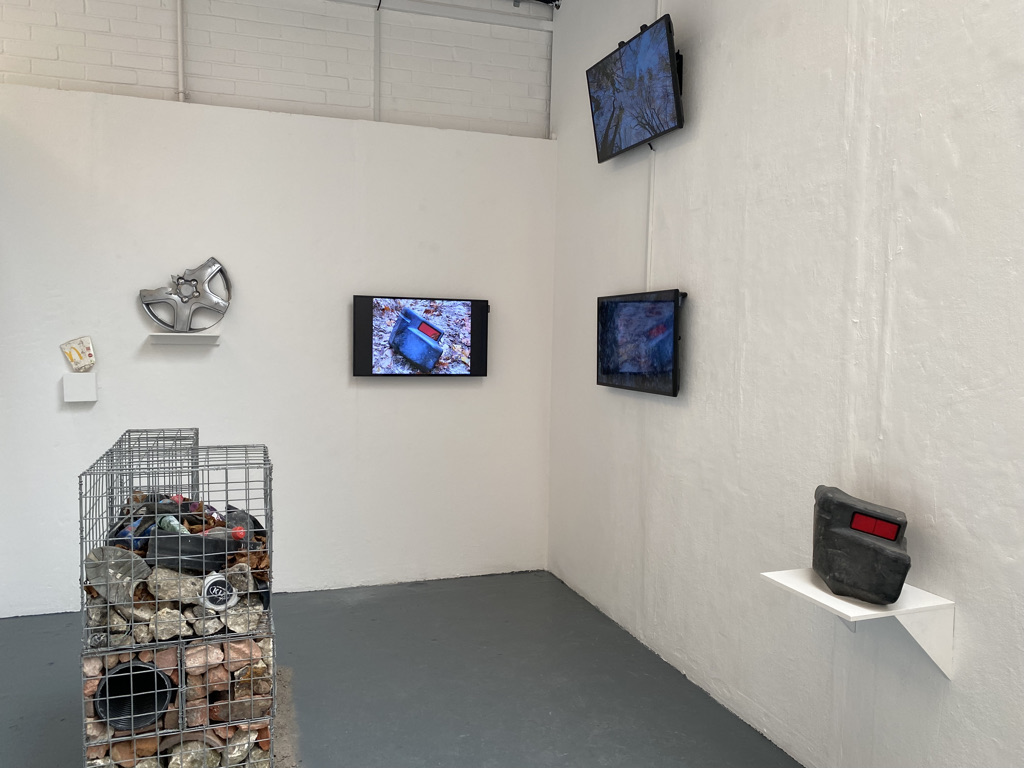
The three elements the curator chose from Byway 745 Observatory were the chalk drawing on black paper, the large gabion sculpture and the double screen video piece. I was allocated a corner to install the work at the far end of this long rectangular space. The drawing sits comfortably on that end wall, balancing the black and white photographs of Li An Lee opposite the back door of the gallery.
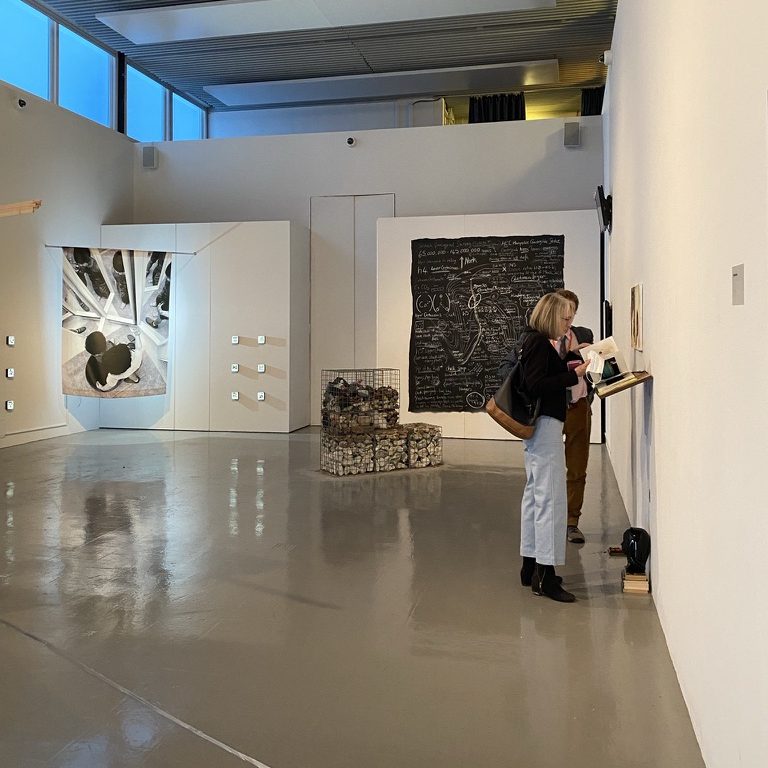
Li An Lee Superhero 2021 and Liz Clifford Byway 745 Observatory 2021
Liz Clifford Byway 745 Observatory 2021

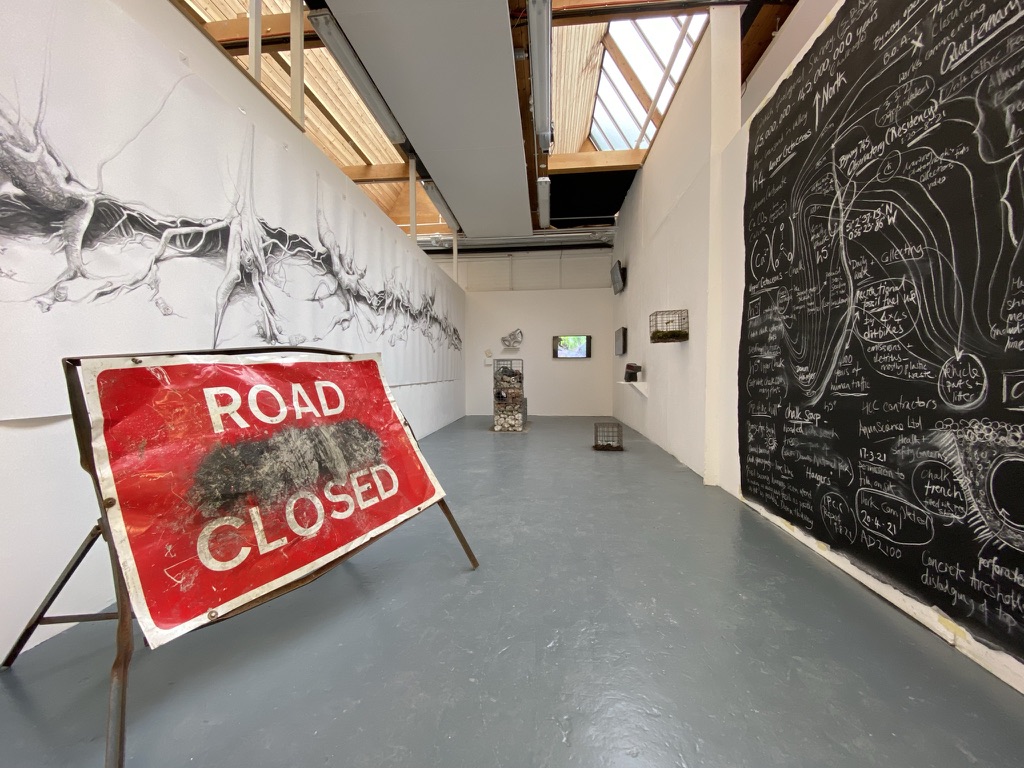
The choice of these three elements is a paired down iteration of the project that, interestingly, still manages to convey the essence of what it is about. The chalk drawing is no longer a work in progress and also becomes more of a focal point, having been given its own wall, visible from the far end of the gallery. Placing the gabion sculpture diagonally then links to the video screens on the adjacent wall. Those two videos combine to describe a slice of the ‘critical zone’, the space between lower atmosphere and upper bedrock, that the work observes. Ideally, the screen showing changes to the canopy should be larger and more horizontal, something I’ll explore the logistics of further for subsequent exhibitions.
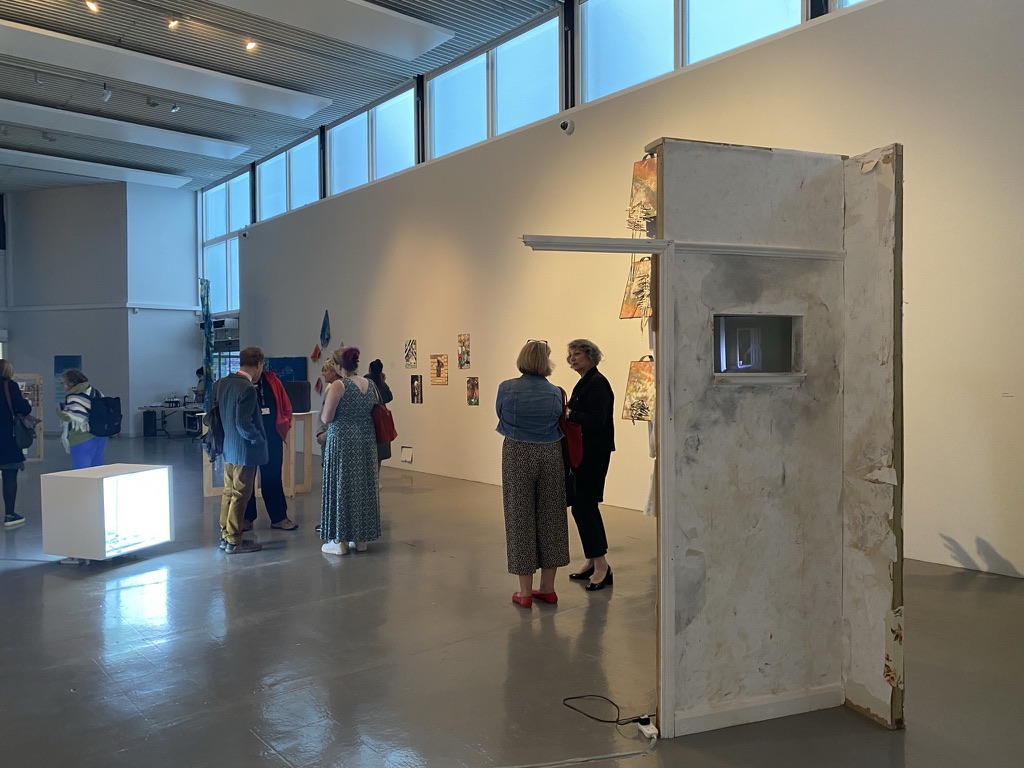
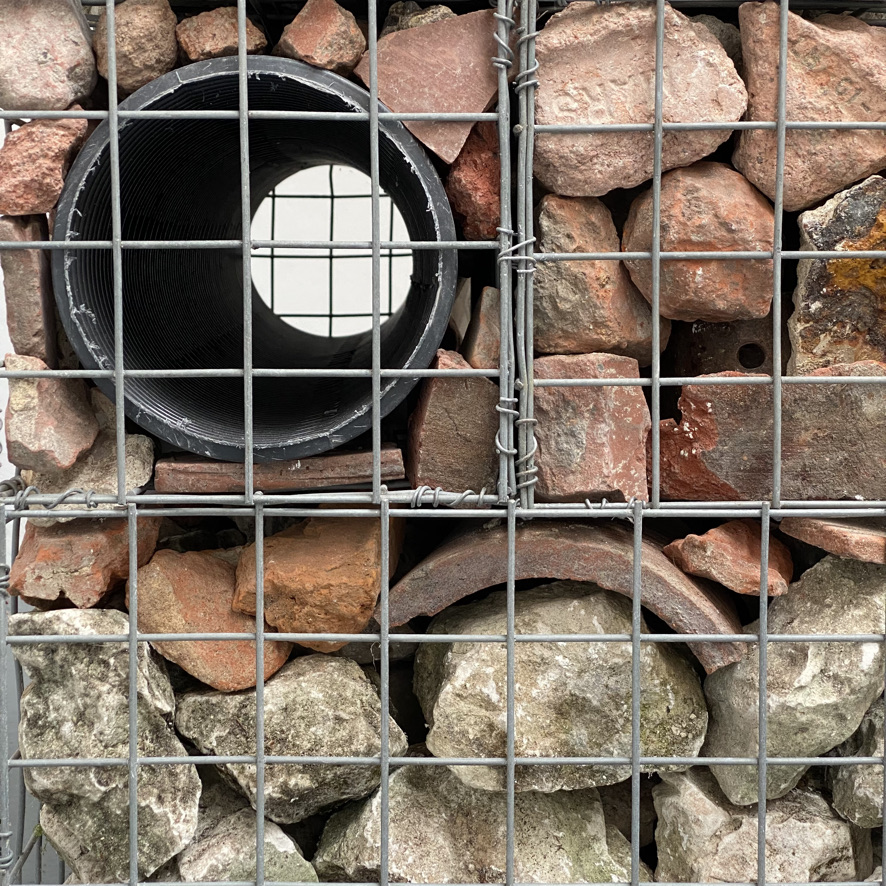
Liz Clifford detail from Byway 745 Observatory 2021

The floor space in the middle of the gallery nearest my piece is occupied by Lucy Bevin’s The Uncanny Home, itself also a fragment reconfigured from a larger installation. That work speaks to mine across the space with its screened video angled towards the corner in which mine are screened, a connection that is made possible in this large open-plan space and throws up possibilities for further co-curation of our work.
Presenting the Outcomes.

I’ve now had a fantastic opportunity to bring the various strands of work from my time on Byway 745 together in an installation. Byway 745 Observatory is the Final Major Project of my MA at UCA Farnham, and I have had access to a large studio space over the past month in which to figure out how to present the work.

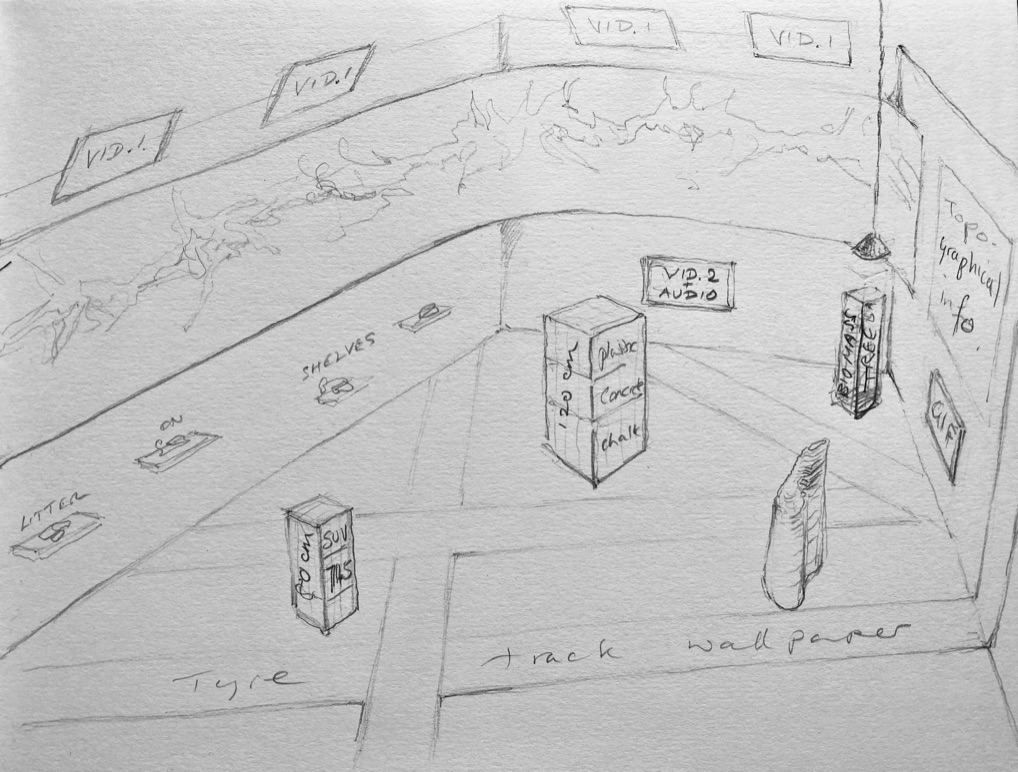
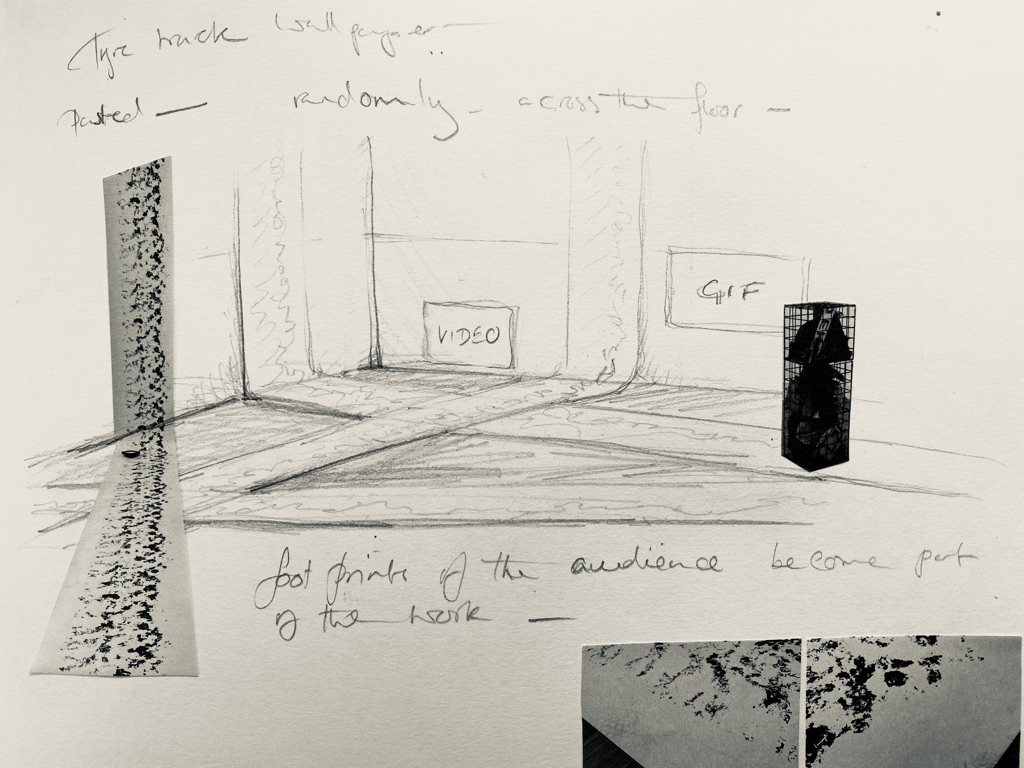
My proposal was to fill the space available with gabion sculptures, drawings, found objects and video screenings. I planned to use the printed tyre track wallpaper on the walls and across the floor and needed to add some topographical information to help contextualise the work.

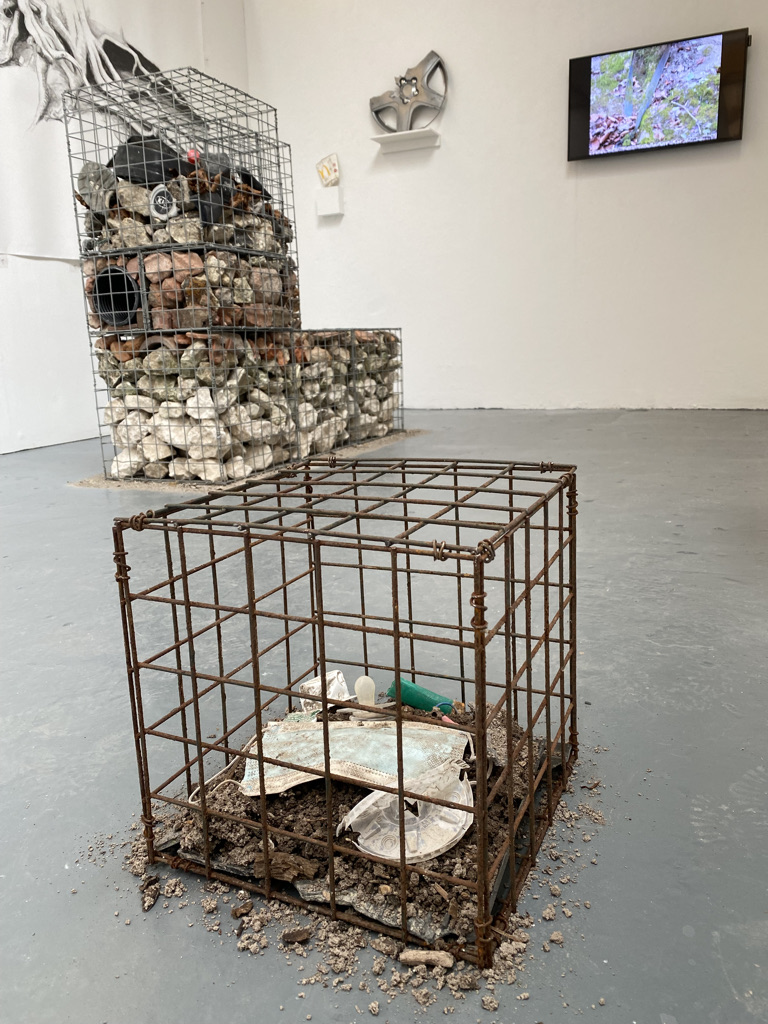
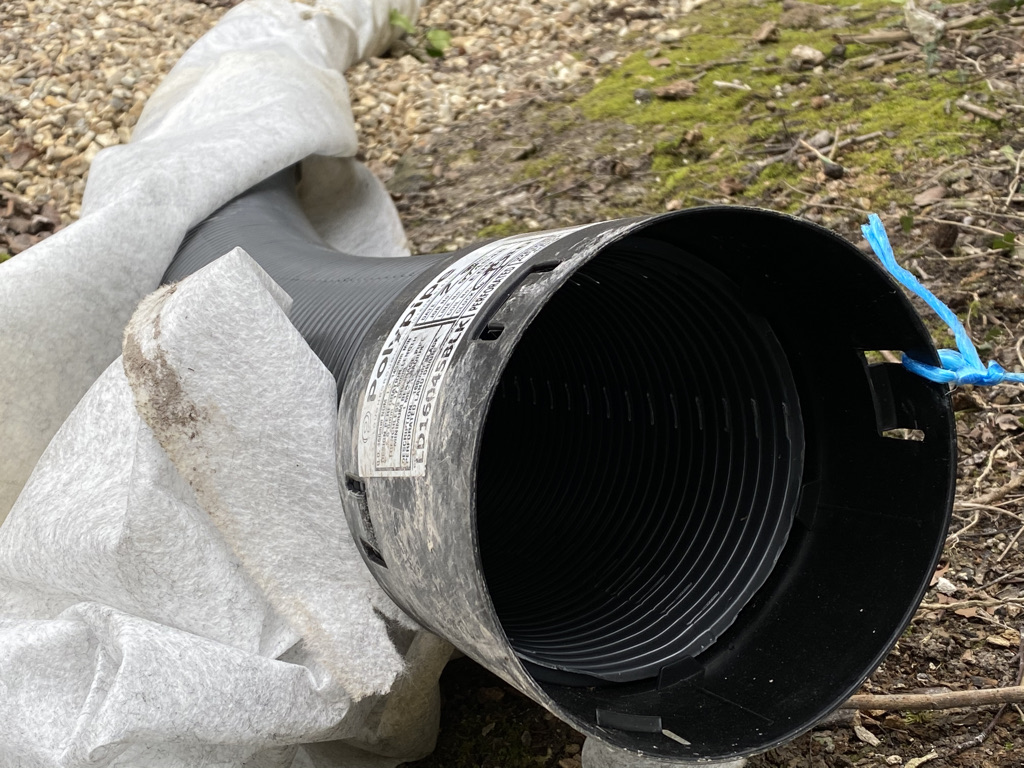
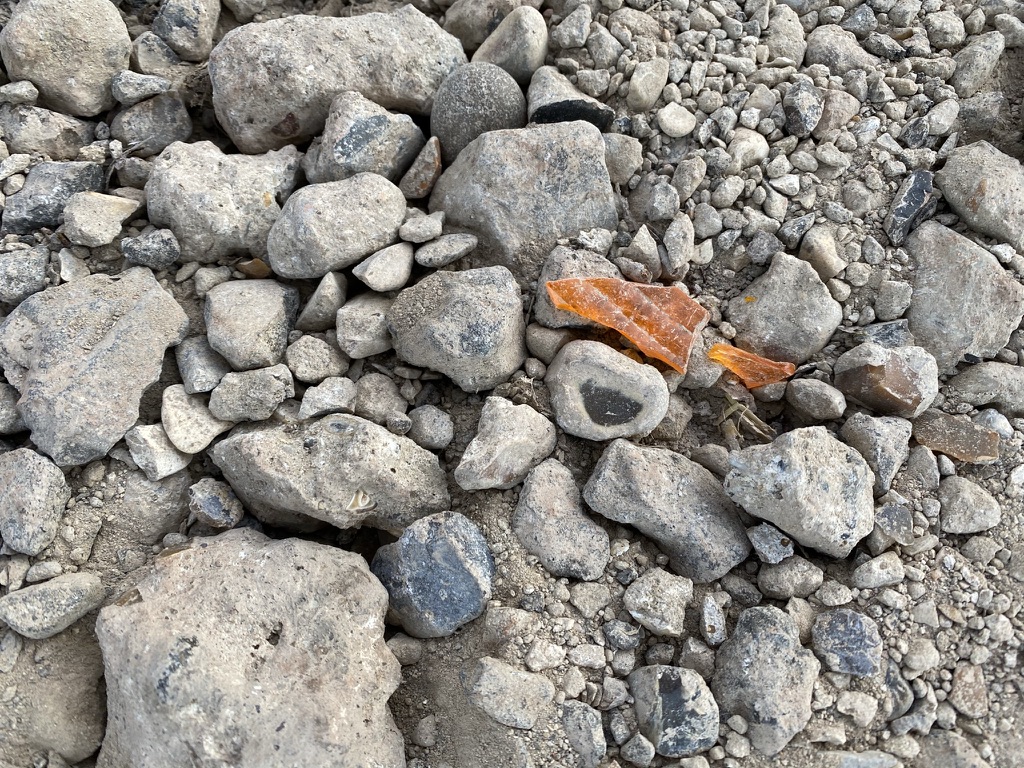
Excited by having a spacious ground floor studio of approximately 780 x 300 cm, I started work on a large gabion structure that would speak about the geology of the Observatory. The piece deals with elements of the Quaternary layer of geology, that of made ground and landfill. A section of French drain, an offcut from the work undertaken on Byway 745, forms the second layer, wrapped in white fabric “membrane” and packed into the gabion with fragments of brick and concrete. The third layer of the sculpture uses concrete underneath objects and leaves.

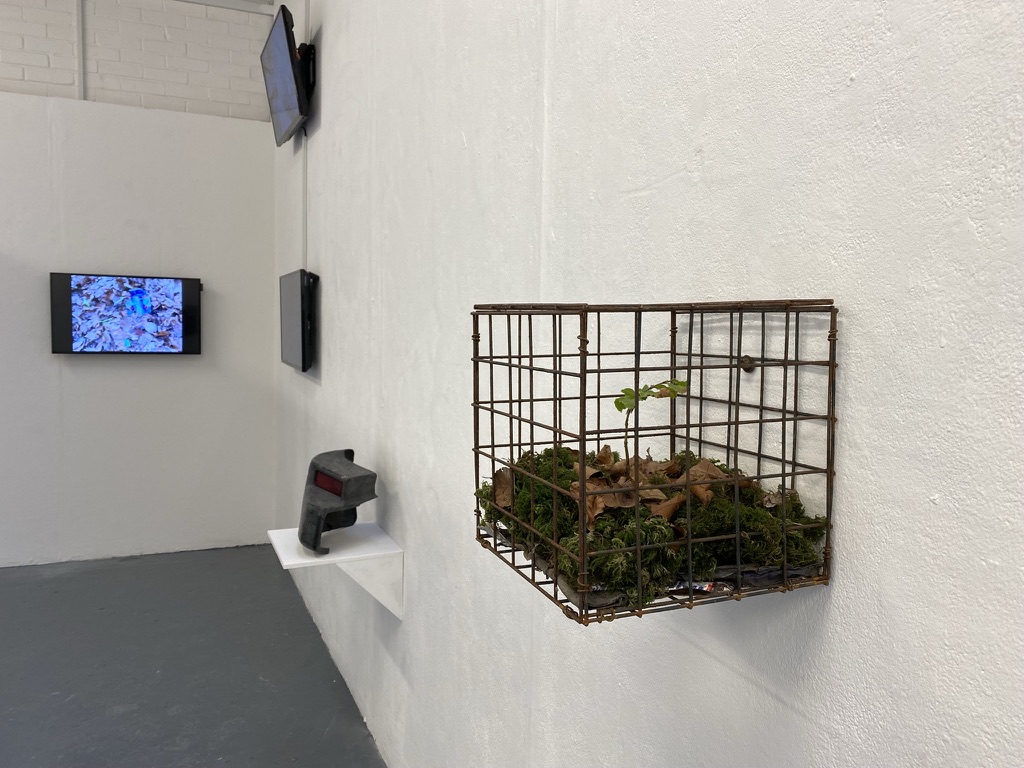
The rest of the installation began to take shape around this sculpture, with the positioning of the three video screens being the next decision to make. I made mock ups of the screens with black paper to help me decide on the positioning. All three screens run simultaneously for their duration, the slide show of stills being screened on the wall perpendicular to the two videos. A Year Above Byway 745 shows the changes to the canopy of beech trees over the year and is screened high up on the wall. Byway 745 Observatory, which charts changes on the ground is screened at eye level. The audio is emitted from that lower screen, resulting in the viewer being drawn to it but having the other two in their peripheral vision. If they glance away at the other screens, they will catch glimpses of objects that are present in the installation space, as well as recurring references to the geography of the landscape.

Having gathered all the possible elements of the installation together, an editing process was needed. Found objects had to link several times to the video, the slide show or the large drawing of beech roots and litter to be allowed to stay. Three pieces have been placed on shelves, while others are in the gabion structures. The largest found object is the beaten up Road Closed sign that stands at the entrance. The slide show contains images of many of the objects as they were found in the landscape, including this sign. The images echo the objects in turn.

The seven metre long drawing runs along one whole wall, but the tyre track wallpaper had to be edited out as it doesn’t fit with the other pieces. Although it was made from an impression of a tyre on Byway 745, the print is too far removed from that reality. It looks artificial and contrived next to the found objects. It felt difficult to leave it out, especially as I’d spent a lot of time printing it, however it is part of other work and I can continue to experiment with ways of curating it.

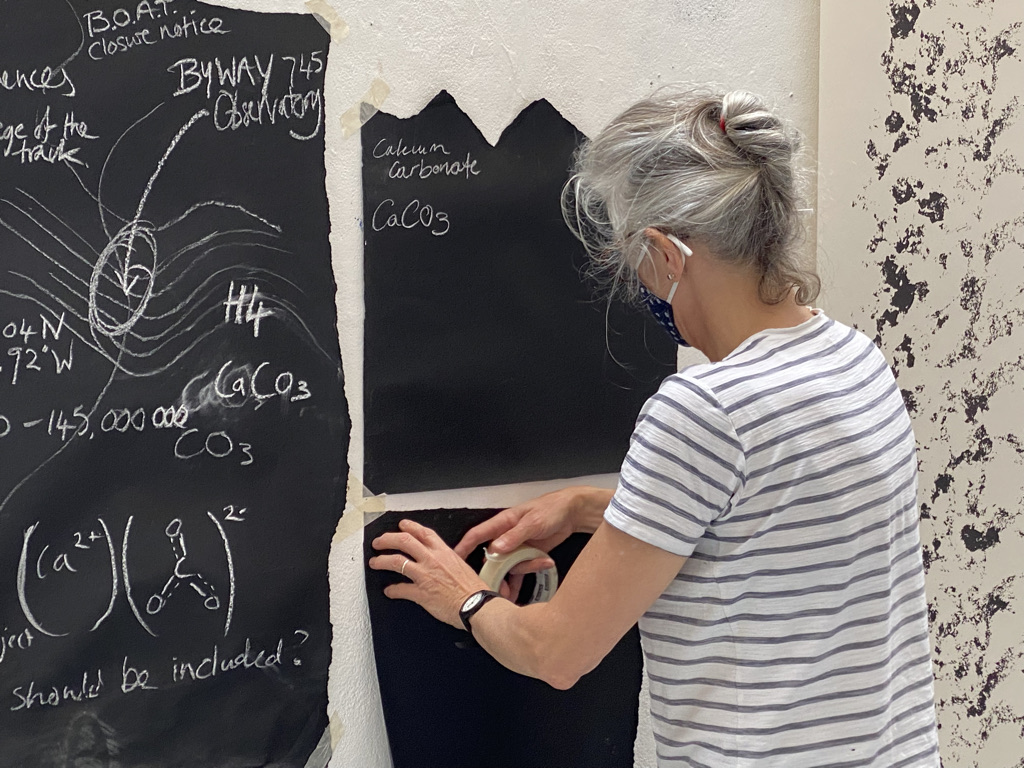
Soil, moss and leaves are contained in the two small gabions, one on the wall and the other on the floor, along with the beech sapling rescued during the first Covid lockdown. I’m hoping that the smell of these materials will invade the space and that the tree can be kept damp enough to survive. The last element of the installation is a large, informal drawing/chart/diagram in chalk on black paper containing information about the topography of Byway 745, its geology, history and key dates of the ‘residency’. The viewer can glance over it and just pick one or two pieces of information. It is too dense to digest in one go.

Working with Video

I have the exciting prospect of an opportunity for screening my video works alongside sculpture, print and drawing in my presentation for the final major project of my MA.

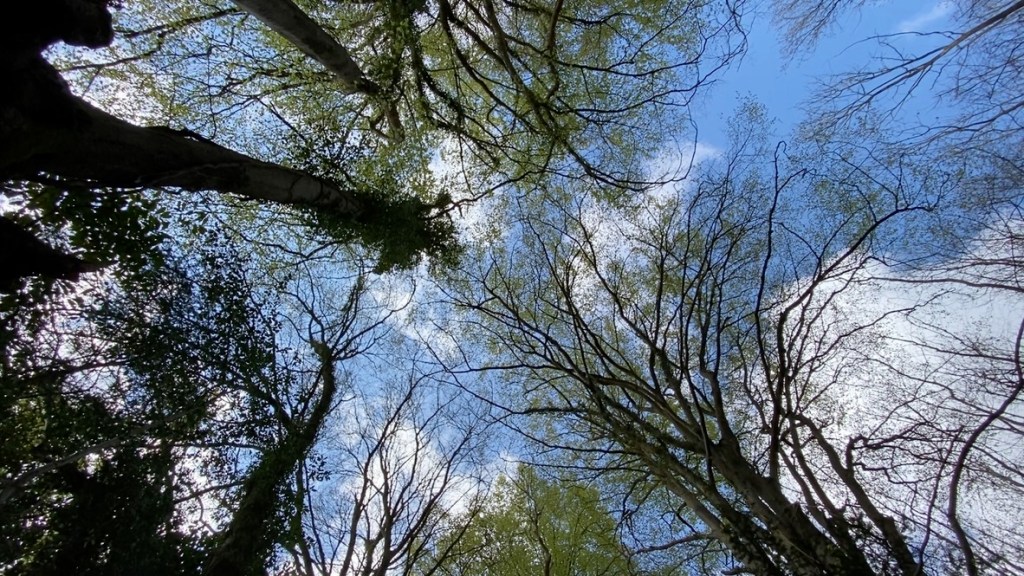
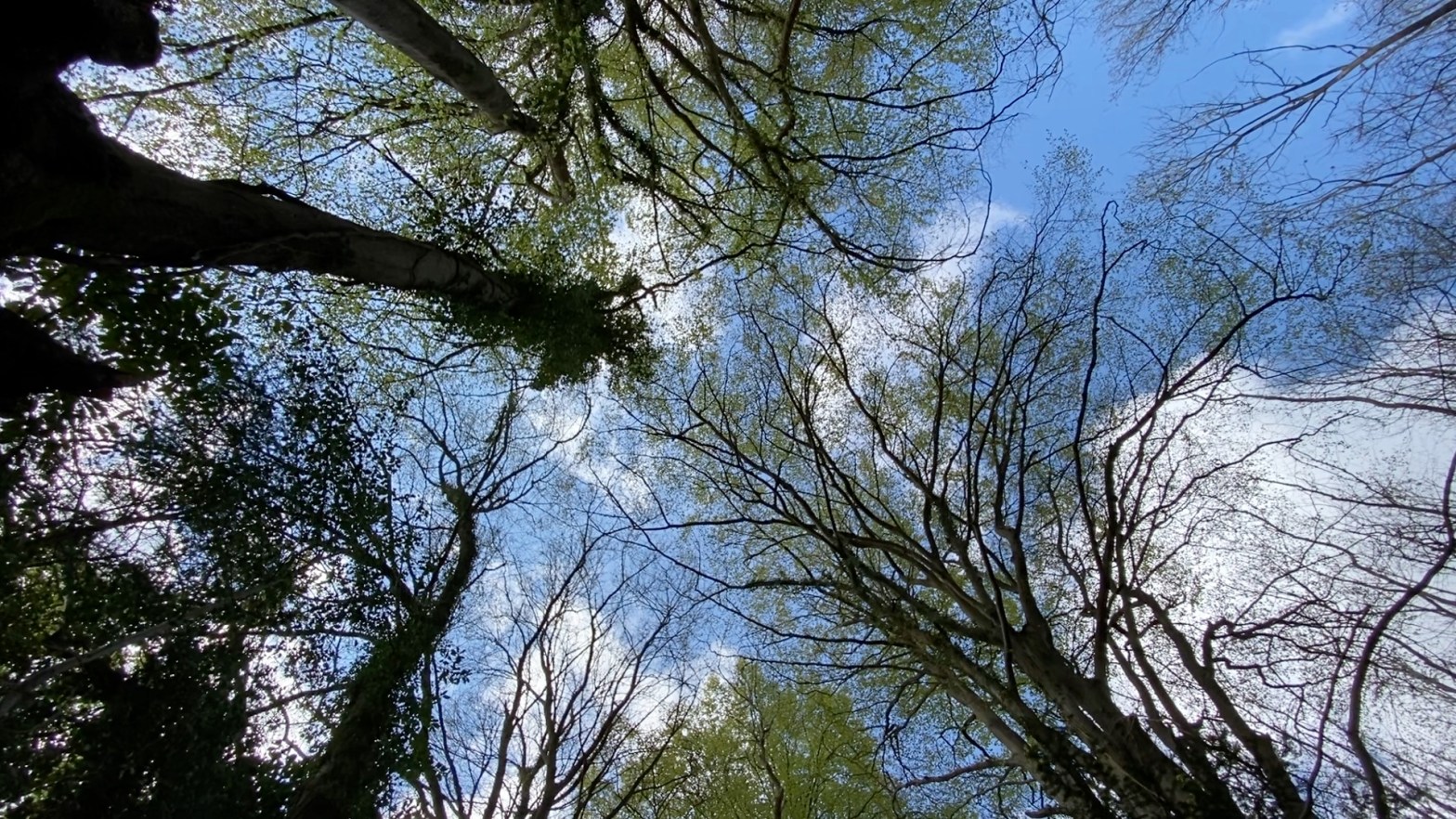
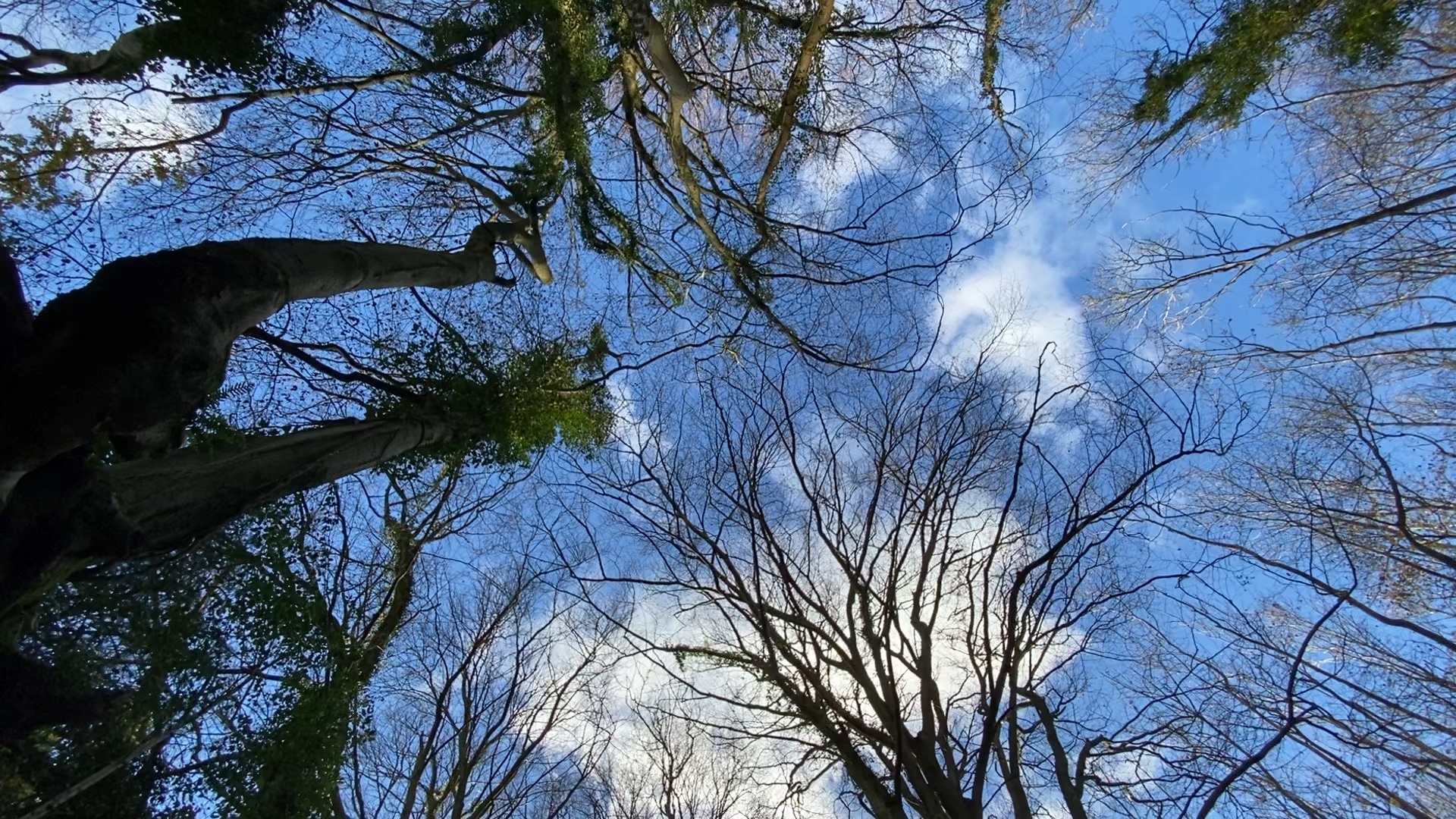
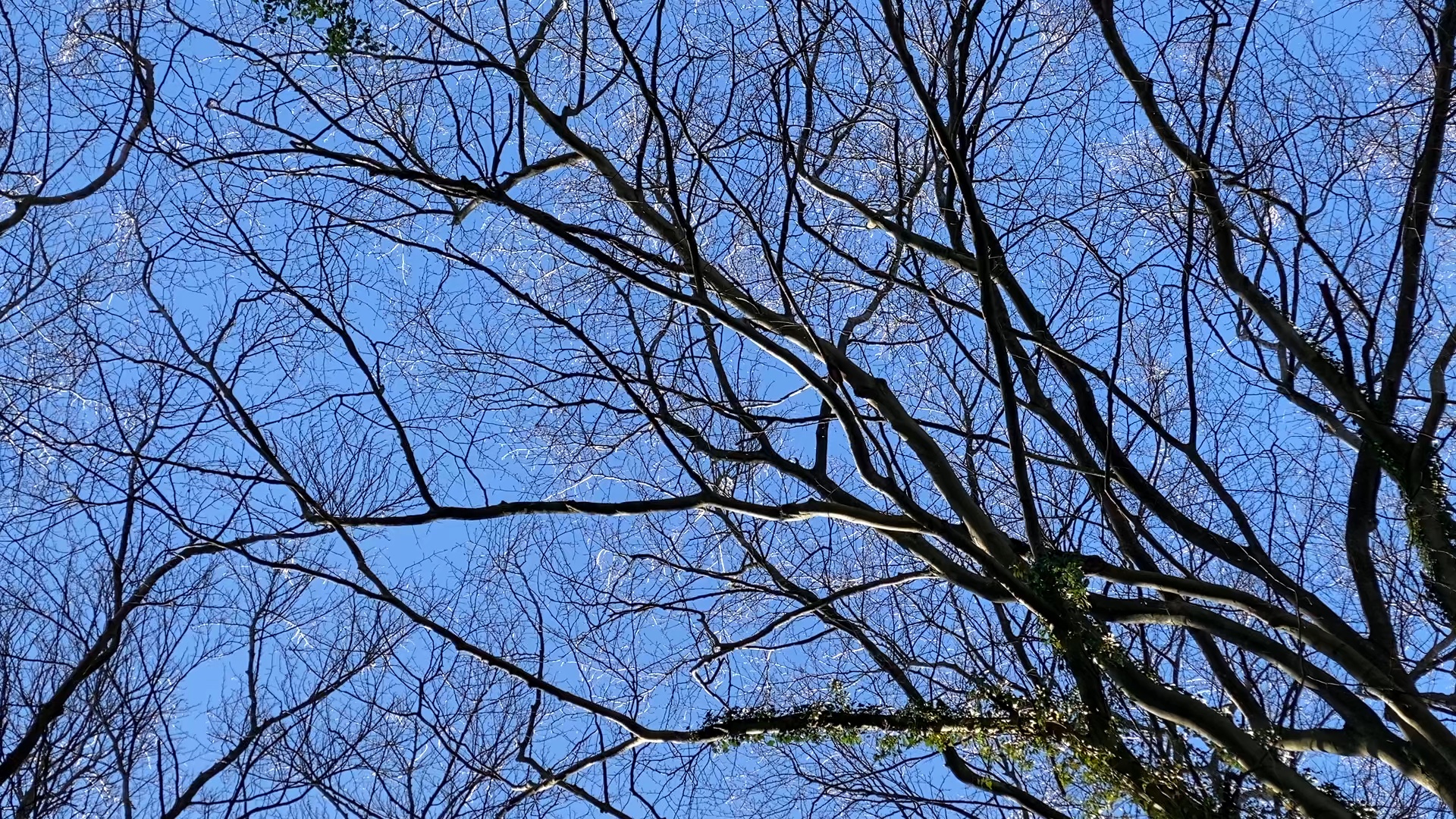
I have three pieces to present, two videos and a slideshow, all of which are made from my observations on Byway 745. One of those started last year, but only realised now, is the video of the seasonal changes to the beech canopy. The camera was set up for a few minutes weekly in the same spot throughout the year. The viewpoint is straight up from the ground and the shots I’ve decided to use are all wide angle. By using this view point rather than the traditional fixed vertical perspective of landscape painting, I’m aiming to place the viewer within the Critical Zone – that place between lower atmosphere and the bedrock, within which life on earth happens. I’m also engaging with Hito Steyerl’s essay In Free Fall: A Thought Experiment on Vertical Perspective in which she charts the rise of linear perspective as the dominant tradition in Western Art and the triumph of today’s ubiquitous aerial view. The view from above has become a norm of the 21st Century thanks in part to Google Earth, Google Maps, drone footage, computer games and feature films. In my own practice I use contours taken from the Ordnance Survey map to help contextualise work made about a specific landscape. In this particular work the view from above flips to become the view from below.

Liz Clifford. Still from A Year Above Byway 745. 2021

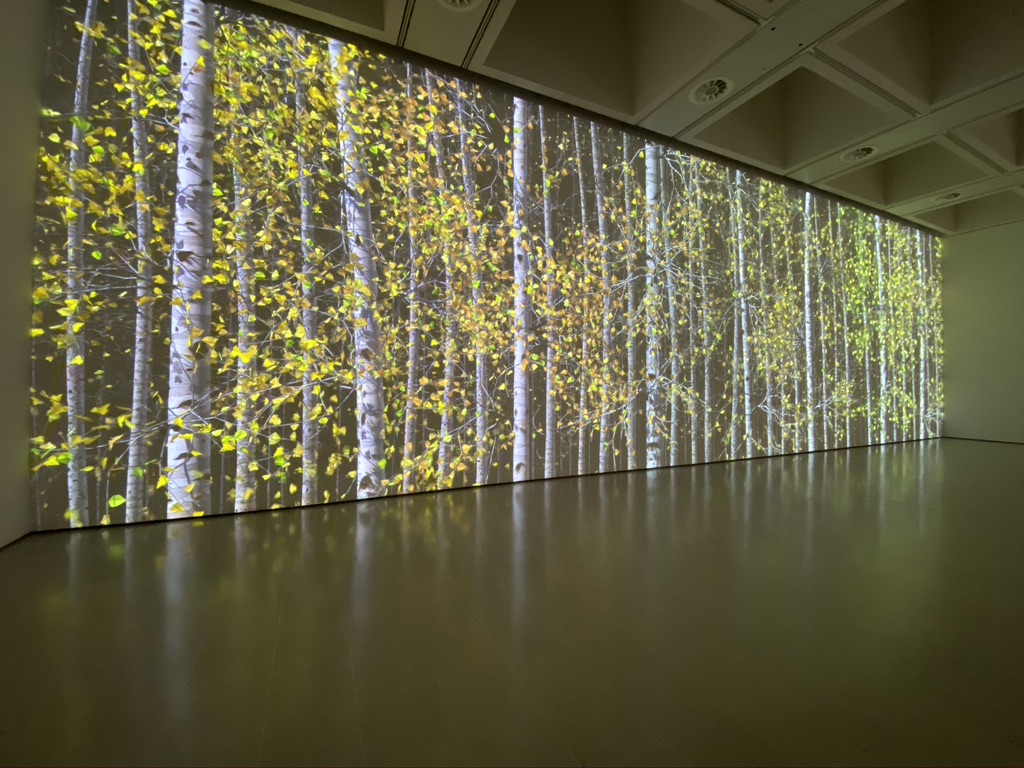
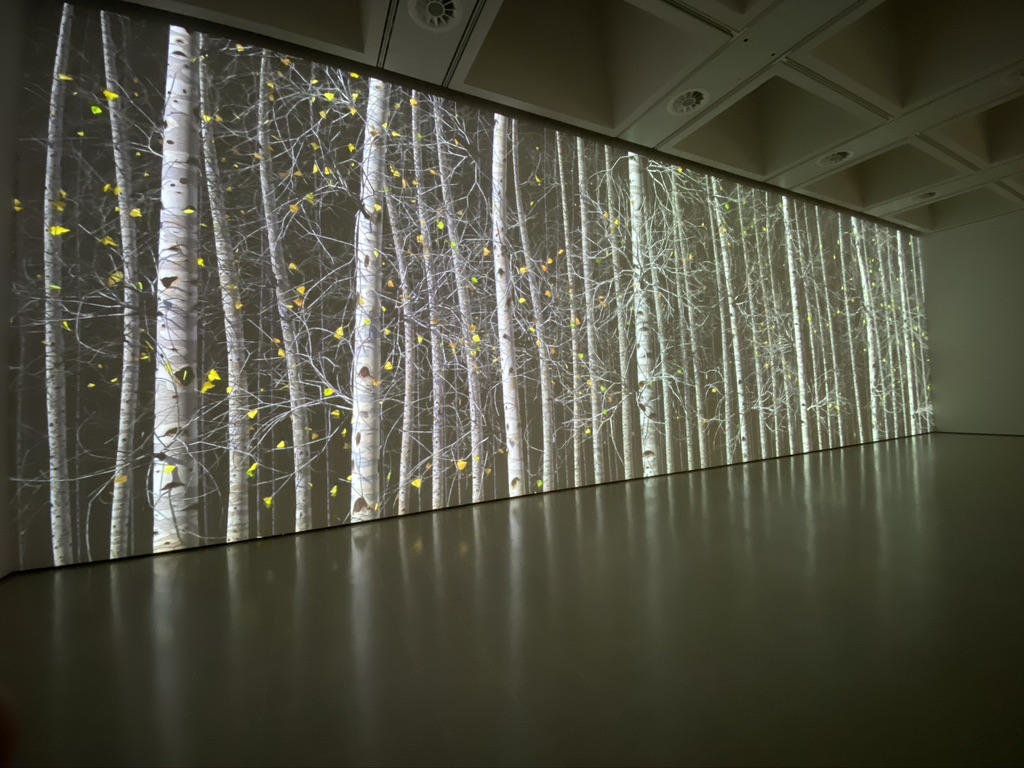
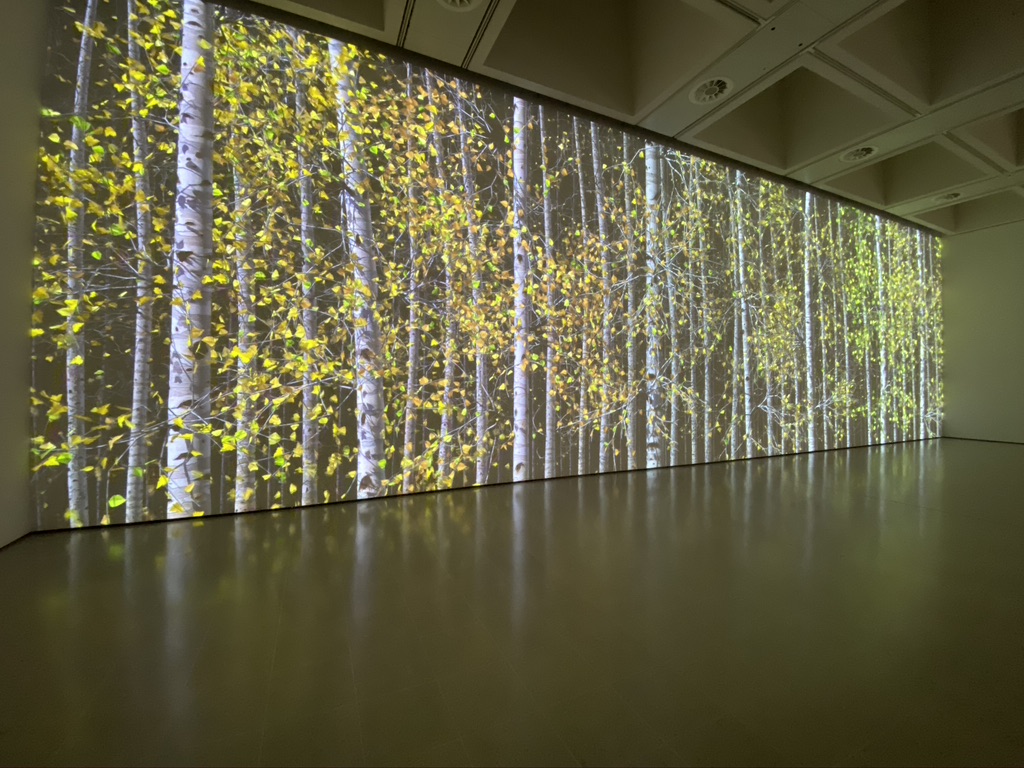
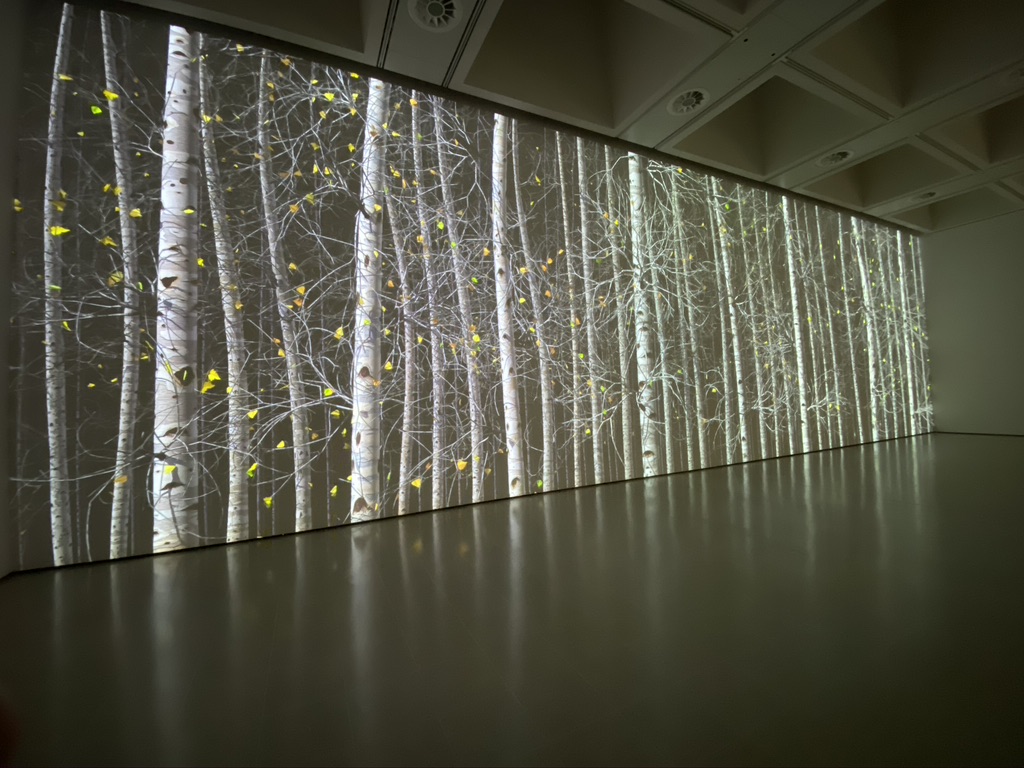
The work owes much to Jennifer Steinkamp’s Blind Eye 1, shown at Among The Trees in the Hayward Gallery last summer. Her piece is a 3 minute computer generated video projection of the seasonal phases of a fictional a birch grove. The viewpoint is looking straight into the trunks, not taking in the tops or the roots of the trees. There is no sense of what is beyond and any movement comes from a gentle swaying of the trunks and a suggested breeze that ruffles the leaves. My work runs for 11 minutes to coincide with the two other pieces screened in the same space. The piece starts and finishes with a moving camera shot, up from the track and down again at the end.

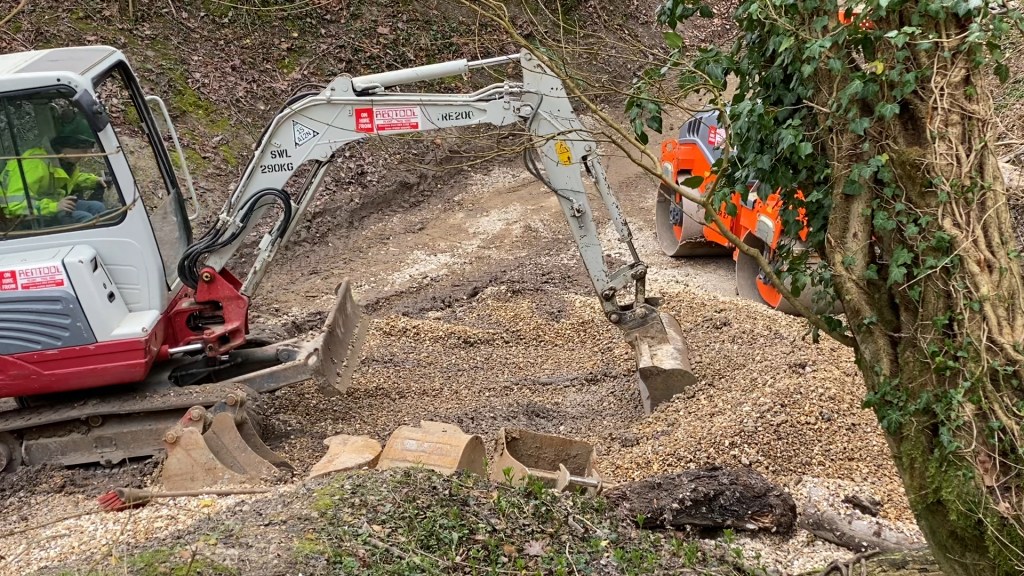
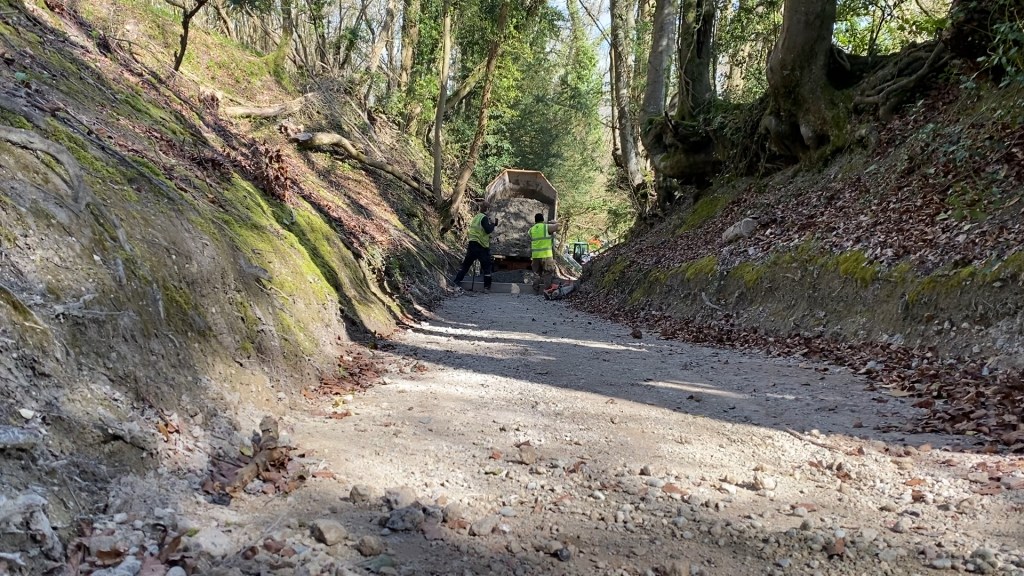
That end shot brings the viewer down to a changed surface. The second video project concentrates on the changes witnessed on the ground over the year. It presents discoveries and juxtapositions along with observational documentary footage of work undertaken by contractors for Hampshire County Council’s Countryside Access Team.

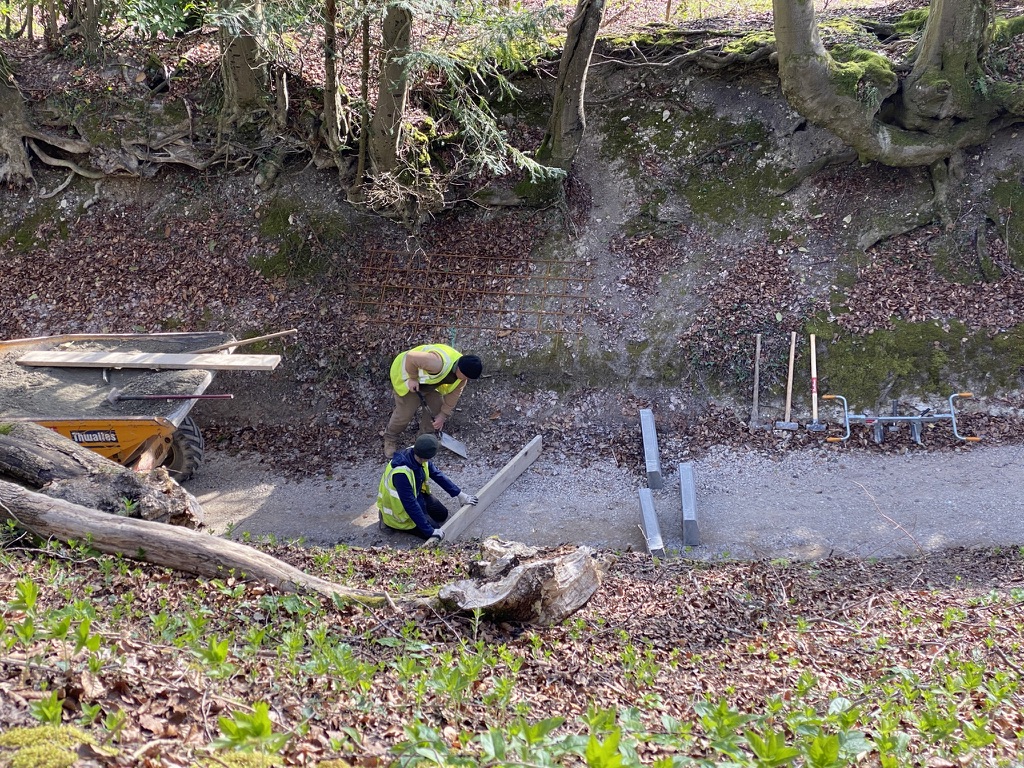
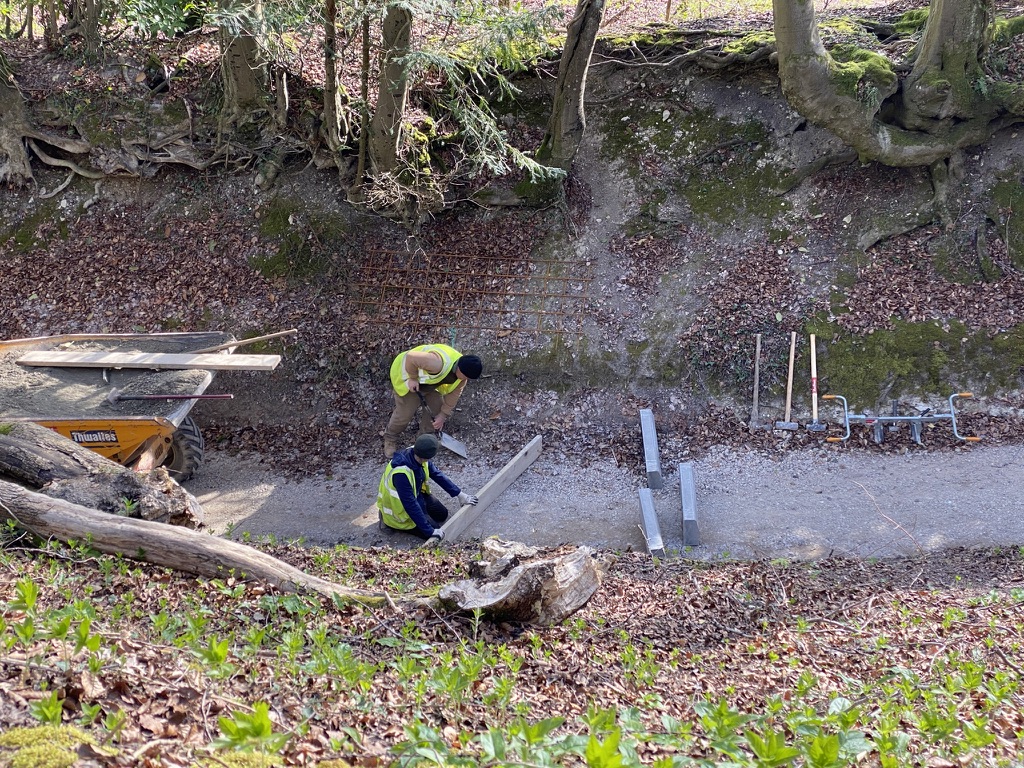
The soundtracks of both videos are mixed and audible in the space. The role of these videos is partly to establish the geographical context for all the elements of the work, and to provide evidence of the provenance of many of the objects used in the sculptures and represented in the drawing on display. The approach is that of the ‘fly-on-the-wall’. The camera is the silent observer. It is sometimes locked off and sometimes moving. The sound track is entirely made those field recordings and does not contain narrative voice over. The process of filming the workers on the track took place over a period of 4 weeks in April/May 2021. I had sought permission from HCC to officially document the process, sending them a CV and proposal early in the year when the notice went up and the Byway was closed pending the start of work. I heard nothing until suddenly a reply came rejecting the idea on the grounds of health and safety concerns. In the event, I introduced myself to the contractors, who had been made aware of my request, and we came to an agreement that I could film the works, so long as I stayed well out of the way of the diggers and dumper truck. Over the weeks, I was actually able to build a rapport and get close-up shots and snippets of dialogue as well as wide shots from a safe distance. This change over the year on the surface of the Byway is as dramatic as the trees losing their leaves. By the time the leaves have grown back, the surface of the track has changed completely, the deep ruts in the chalk have been filled in with plastic drainage piping and hardcore, and concrete thresholds have been built at regular intervals to prevent the top material being eroded away. I was witnessing the laying down of part of the Quaternary layer of geology – made ground.

The slideshow is made up from the collection of still photographs taken during the year. Each image is visible for 15 seconds on a continuous loop. The shots are of the spot on the track chosen for the Observatory and objects that have been found there and are lurking in the sculptures. All 3 screens are running simultaneously for their 11 minute duration, the slide show being screened on the wall perpendicular to the two videos. A Year Above Byway 745 is screened high up on the wall above Byway 745 Observatory, which is screened at eye level. The audio is only emitted from that one screen. As a result, the viewer will be drawn to that one but will have the other two in their peripheral vision. If they glance away at the other screens they will catch glimpses of objects that are present in the exhibition space as well as recurring references to the geography of the landscape. Whilst editing these works, I’ve been forced to look harder at the place I’ve been working with. New connections have been thrown up and overlooked materials have been thrown to the fore. Previous work has used moss as the element of biomass, but when confronted with these images I see that the beech leaf is the most common form of biomass in all of them. This raises the question of why they are not present in the sculptural work and prompts me to make use of them.

All photographs by Liz Clifford.

Non-gallery Space

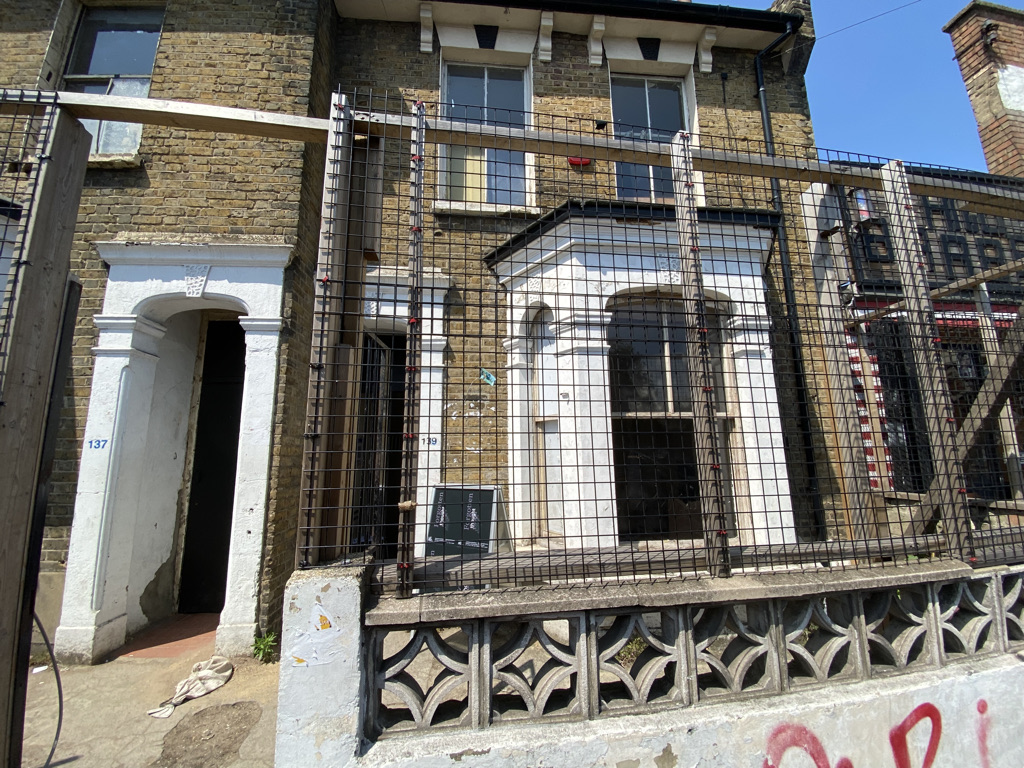
Having shown work in an empty West End shop last month, another opportunity to work with a non-gallery venue has just come to fruition. Maverick Projects in South London manage a series of buildings as locations for art events, including Safehouse 1 in Peckham. This is a stripped down, late Victorian terraced house, wedged between industrial buildings on Copeland Rd. As a group of MA students we were able to raise funds through an artwork auction to supplement the £500 grant from UCA to pay for a week’s hire of the space.

As part of the curatorial team of five, I’ve been involved with the whole process, from deciding on a title through to transportation and installation of the works. We decided on the title Forgotten Though by ballot from a shortlist of suggestions. Each artist submitted text about their work in general terms and specific to the theme that was used to flesh out a press release. With thirteen artists working across different media and with diverse concerns it is a huge challenge to produce text that covers all bases. The work included in the show explored concepts of memory in relation to our brains and nervous system, bodily actions and technology. Some artists did a recce of the venue and responded to the space, making a proposal for a particular part of it.

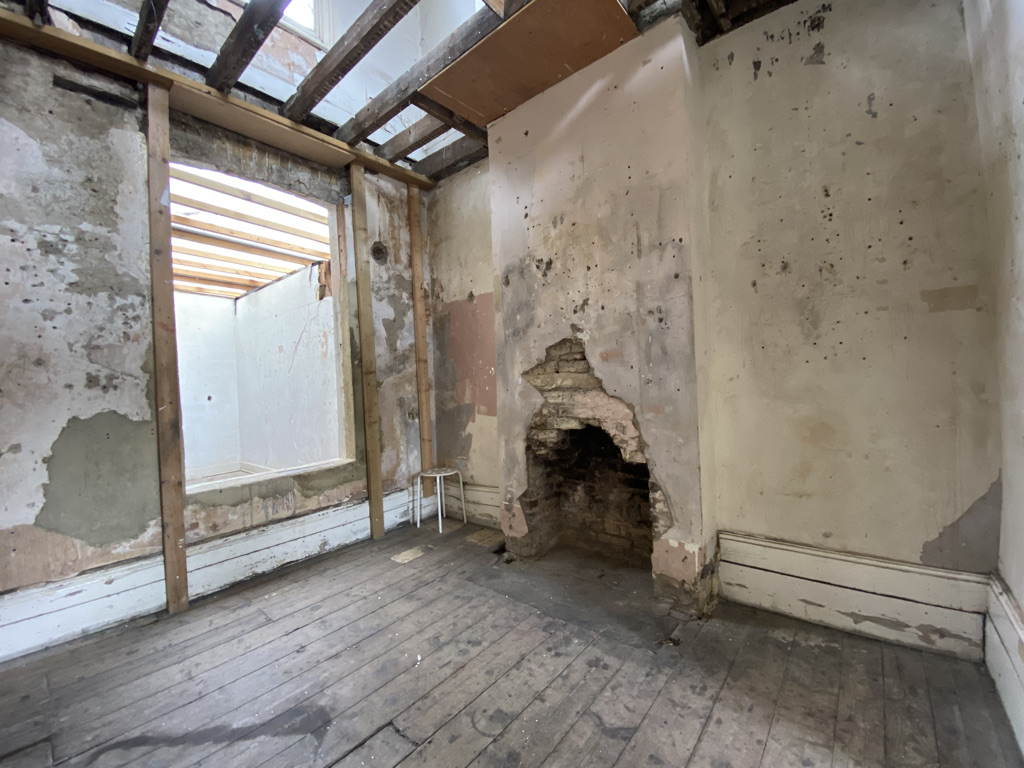
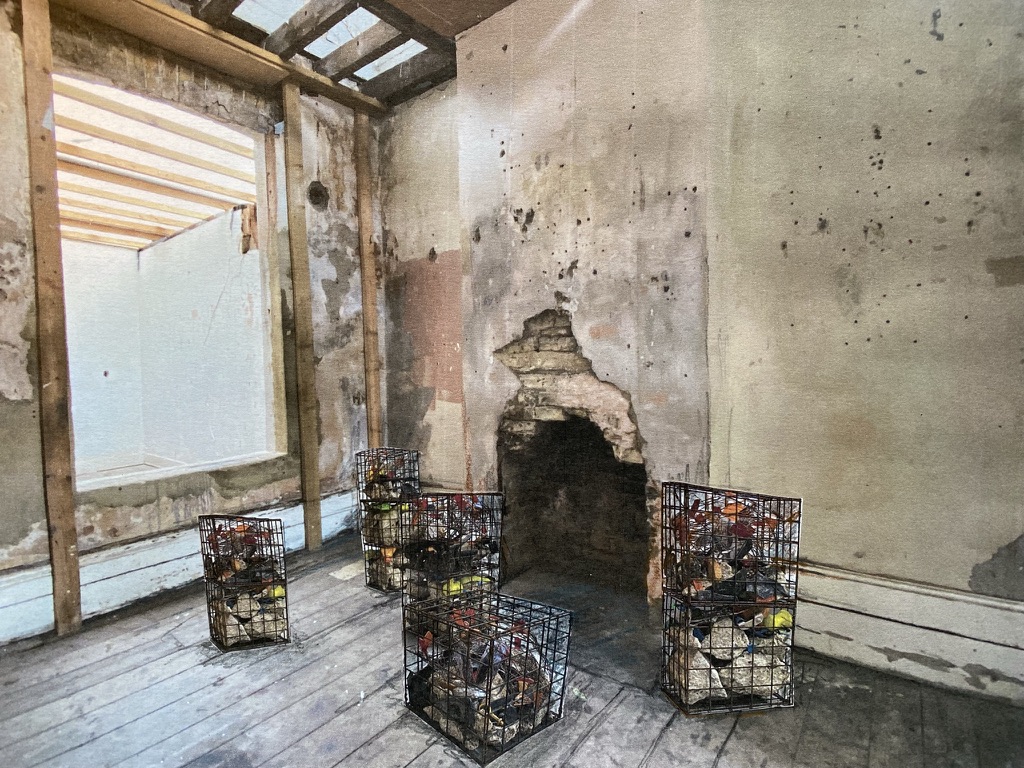
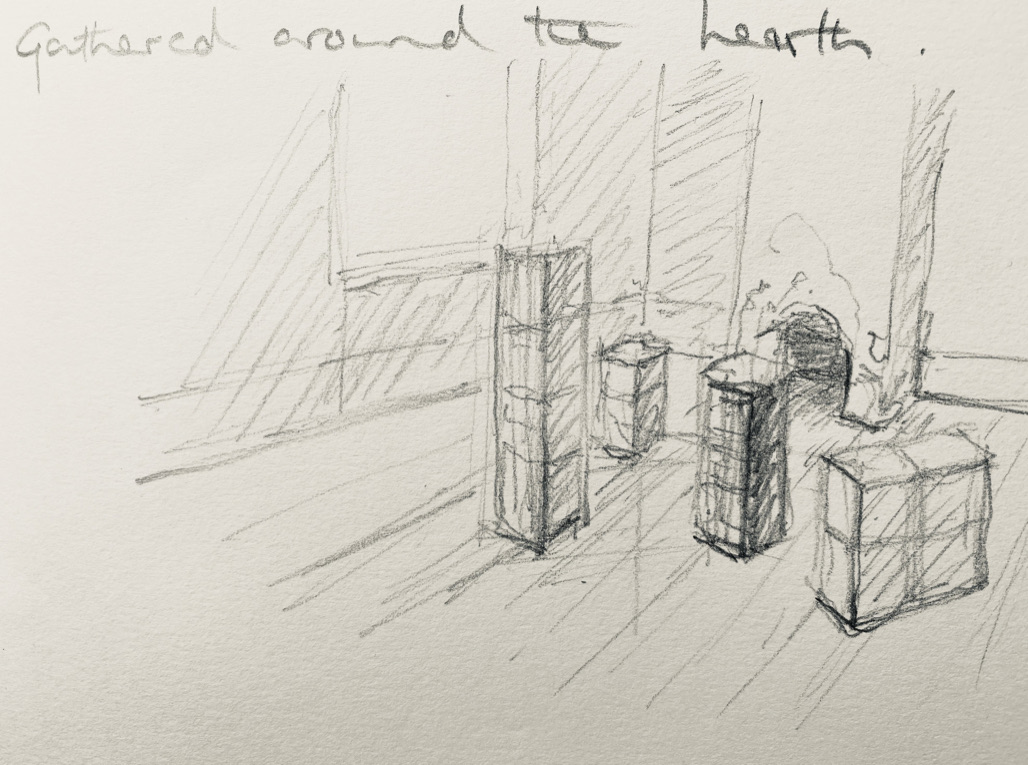
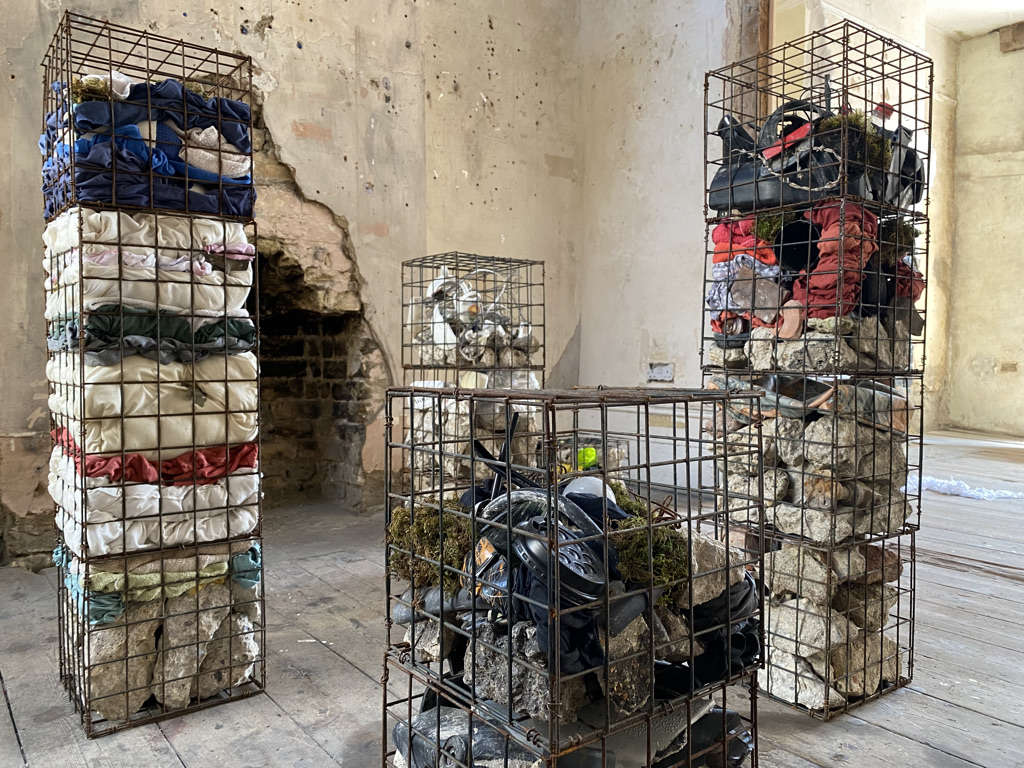
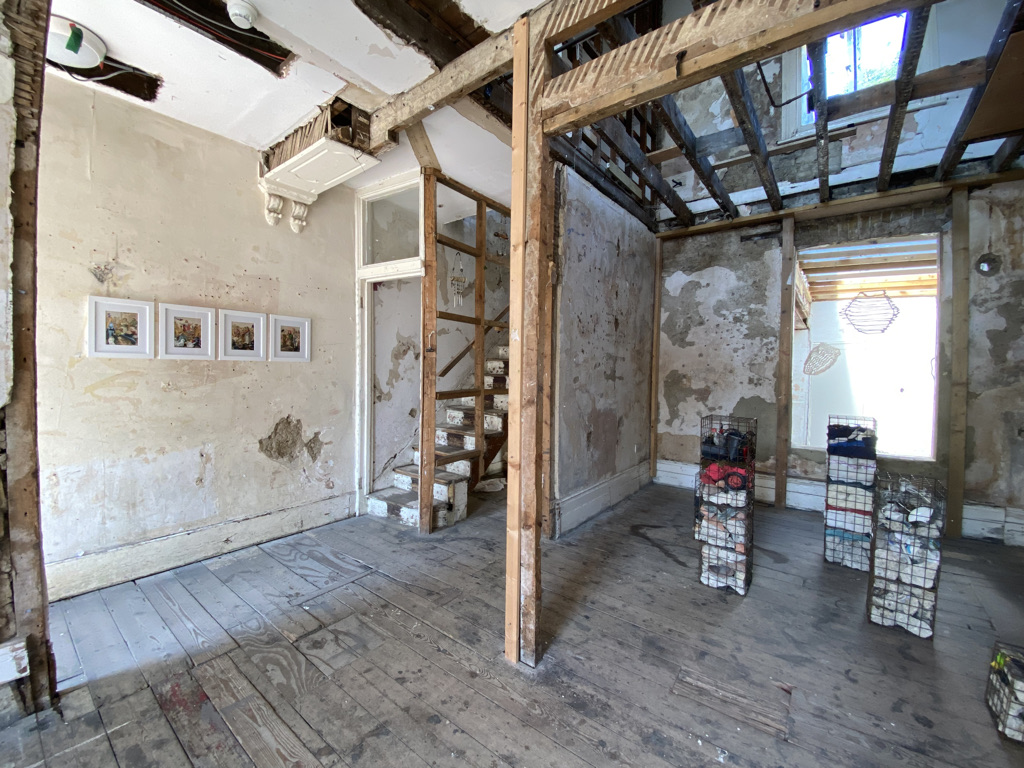
The work I included in the show was a response to both the theme and the stunning middle room downstairs shown in the photograph above. Attracted to the stripped chimney breast and pitted walls, baring intermittent flakes of silver leaf, my proposal was to work with the more domestic elements of the detritus I collect to realise a grouping of gabion structures gathered around the hearth.

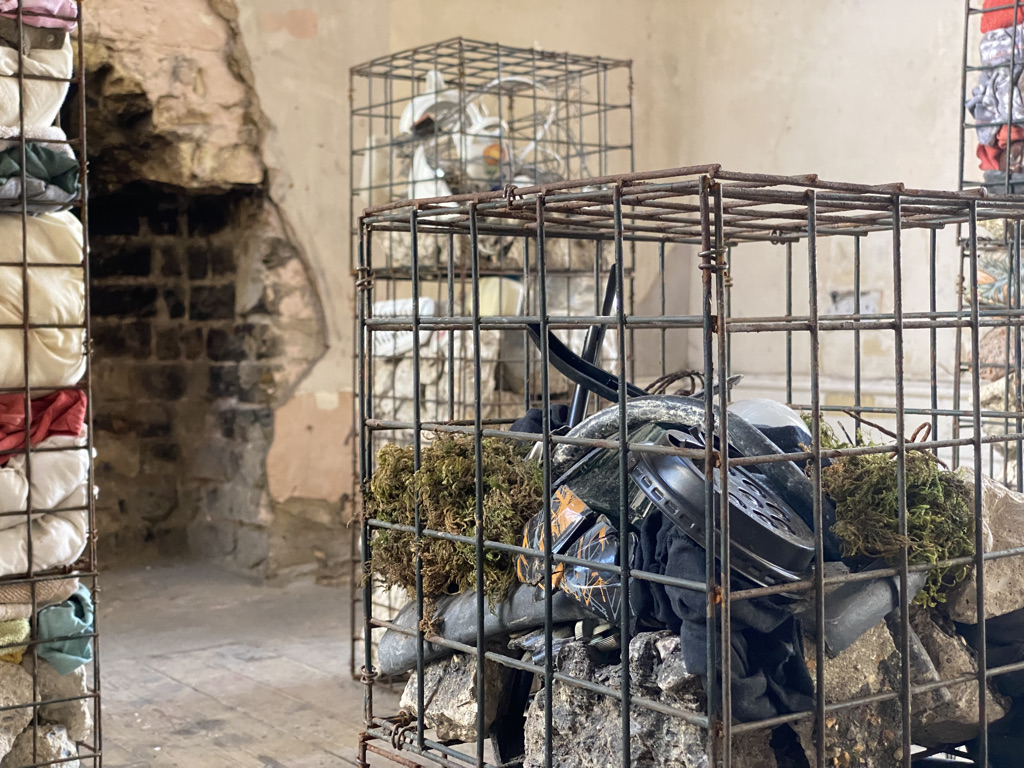
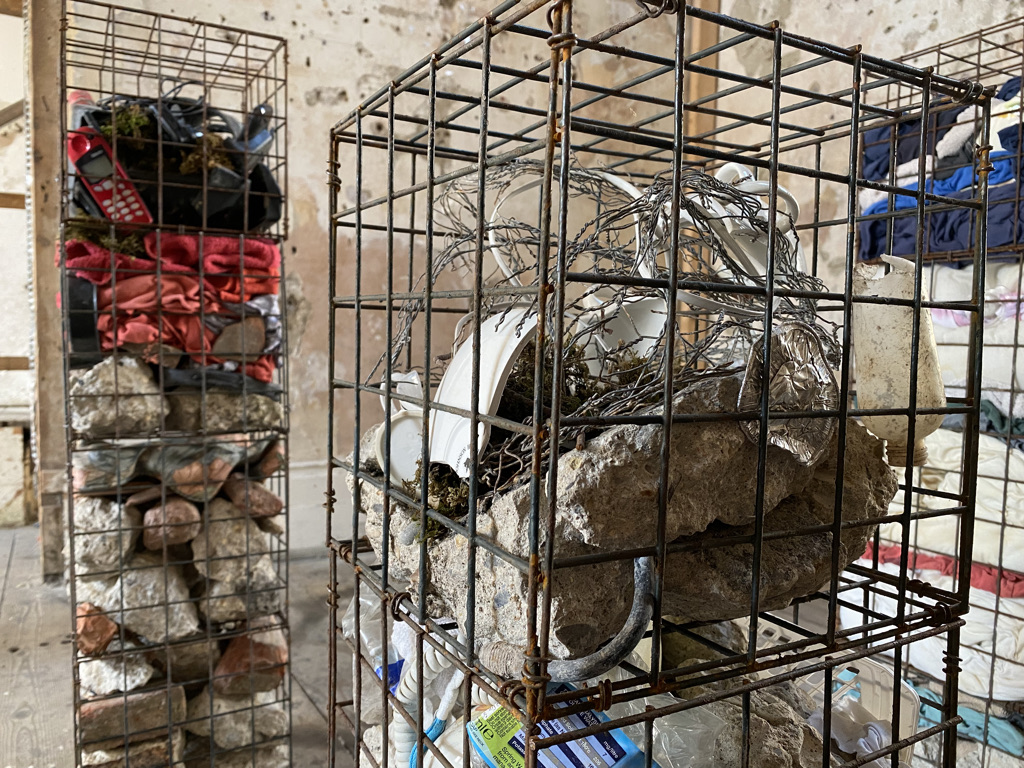
Working with stacks 25cm Gabion baskets, I was able to build five structures in the studio varying in height from 25cm to 150cm. The bases contain concrete and brick providing the stability needed. Layers are built up with reference to the built environment – including drainage ceramics, steel bolts, and plumbing pipes – much of the material having been found discarded in the rural landscape. The configuration of the structures was finalised on site but the individuals were worked on in the studio. They gather around the hearth – the left behind and forgotten, long after the house has been abandoned. They relate to one another through the materials from which they are made and their configuration – reminiscent of a family group. The aesthetic of the work echoes that of the abandoned house. The materials will form part of the Quaternary layer of geology – that of made ground, landfill, and the technofossils of the future.

Liz Clifford. Gathering 2021

Introducing cloth into the work was an opportunity to reference the domestic and to work with more intense colour – each of the 5 ‘figures’ has an identifying colour. The fabrics used are old pillows, complete with stains, flannels, dishcloths, old T shirts, scraps of sheets, and wipes found in the landscape. The abject remains of clothing, bedding, cleaning activities and garbage. A cushion cover printed with an iconic William Morris design is a reference to the age of the house and also works with the colours in the red structure.

The upper layers of the piece contain a jumble of discarded, broken objects from crockery to packaging, cutlery and toys and a little bit of moss, posing a question as to what will be left and what will recolonise. There is space to walk between the structures and around the group as well. The group fills the room but the scale is rather smaller than human scale. It is interesting how the materials react with those of the house, especially with chimney breast, prompting the question as to where it has all come from. I wonder if making the taller of the structures taller still would have made a greater suggestion of human figures?

A venue like this calls for bold work but still on a domestic scale. The work has to compete with the space in a way that it doesn’t in a ‘white cube’, however, the space adds unexpected elements, be it colour and texture echoes or the remnants of other interventions. There are nooks and crannies for smaller works and because it is a series of rooms, 2 or 3 artists can share a single space. Quite diverse works can be shown together as each can find its own area.

Lucy Bevin. The Uncanny Home in Four Objects. 2021
Left. Janet McWilliam. Three Knots. 2021 Right. Dawn Langley. Memory Loss. 2021
Left. Stef Will. X-Men, Birds & Jesus. 2021 Right. Liz Clifford. Gathering. 2021. Background. Catherine McCaw-Aldworth. Bordering Bodies. 2021

All photographs by Liz Clifford.

Terra Nexus

Last month I was lucky to catch this set of immersive installations at Proposition Studios on London’s Southbank, in the old London Studios building, where they have had their base until very recently. The labyrinth of eighteen interconnected ‘worlds’, questioning the role of humans as part of ecology was curated by Gabriella Sonabend, co-founder of Proposition Studios.

The artists had been selected from an open call and in preparation for this project they took part in an intensive research residency, visiting sites where human intervention has dramatically increased biodiversity while providing for human needs: Martin Crawford’s Forest Garden in Devon, Knepp Rewilding in Sussex and Prof. Wolfe’s Wakelyns Agroforestry in Suffolk while also meeting the science writer and food campaigner Colin Tudge in Oxford.

The resulting works explored a wide range of aspects of the theme – from the threat of impending extinctions, to ways of reconnecting with nature – the future of cities, and how humans will live within them. My own research into ways of connecting artworks together through their curation, as well as interest in the themes, had pointed me towards this exhibition. I was after tips for curating my own work that keeps revolving around one starting point but varies in outcome.

One standout contribution for me was Catriona Robertson’s WYRM Deep Time Concrete in which collapsing classical columns and slices of urban geology crammed a tiny, vivid space, making for a convincing monumentality despite using relatively lightweight materials.

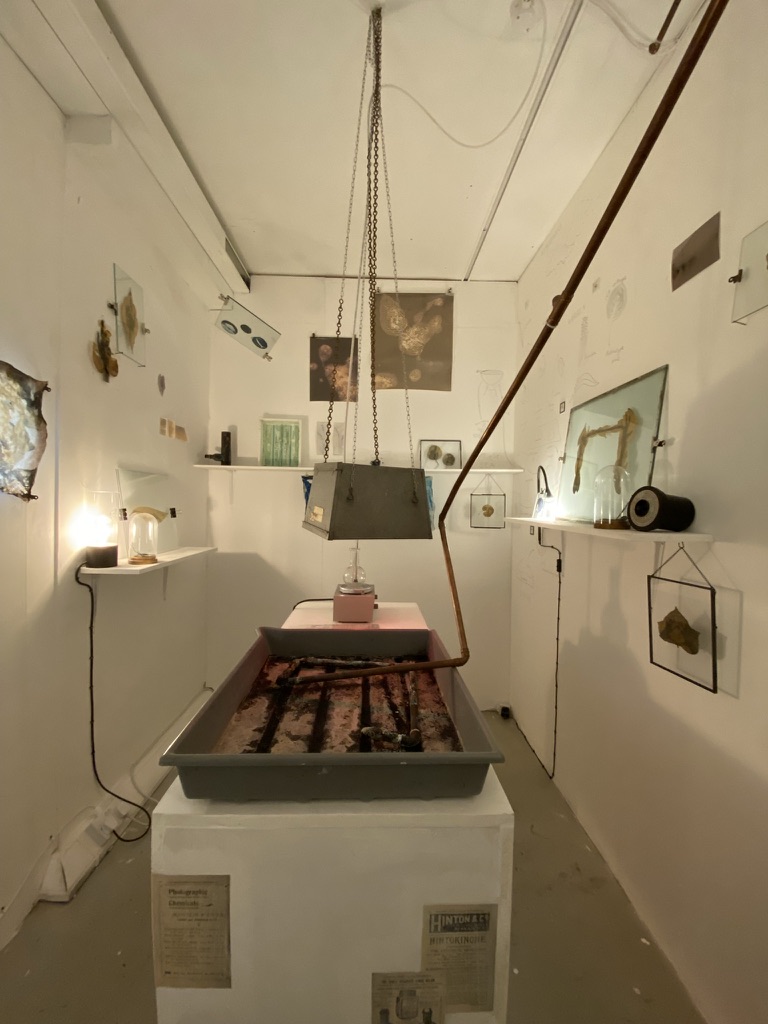
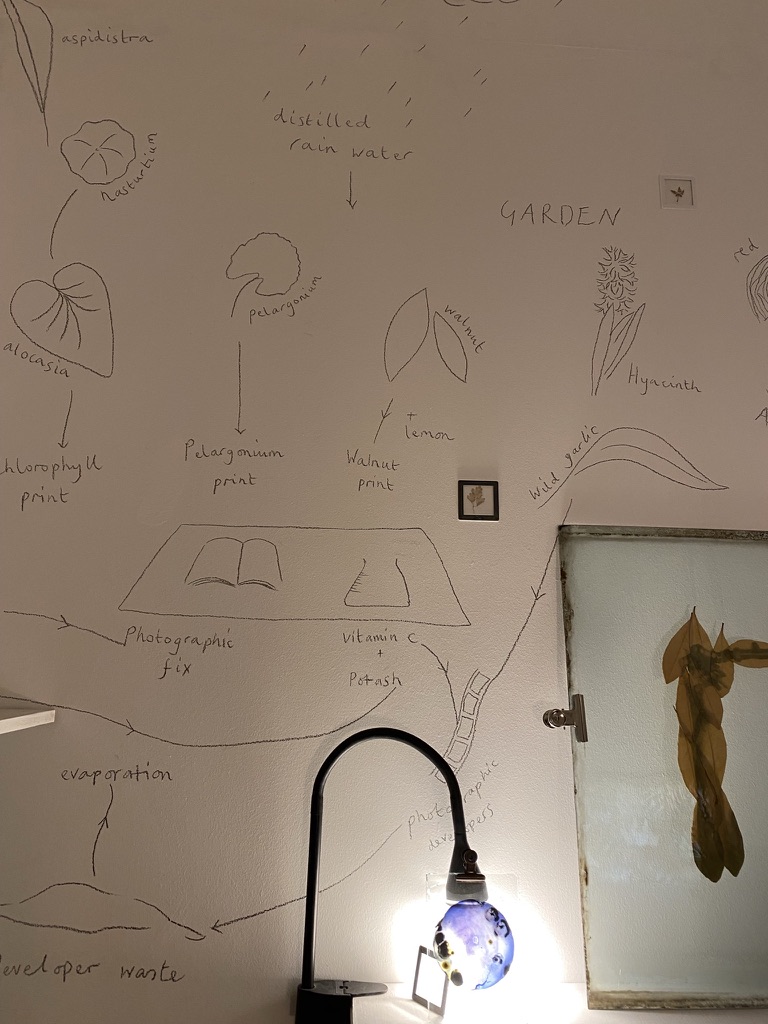
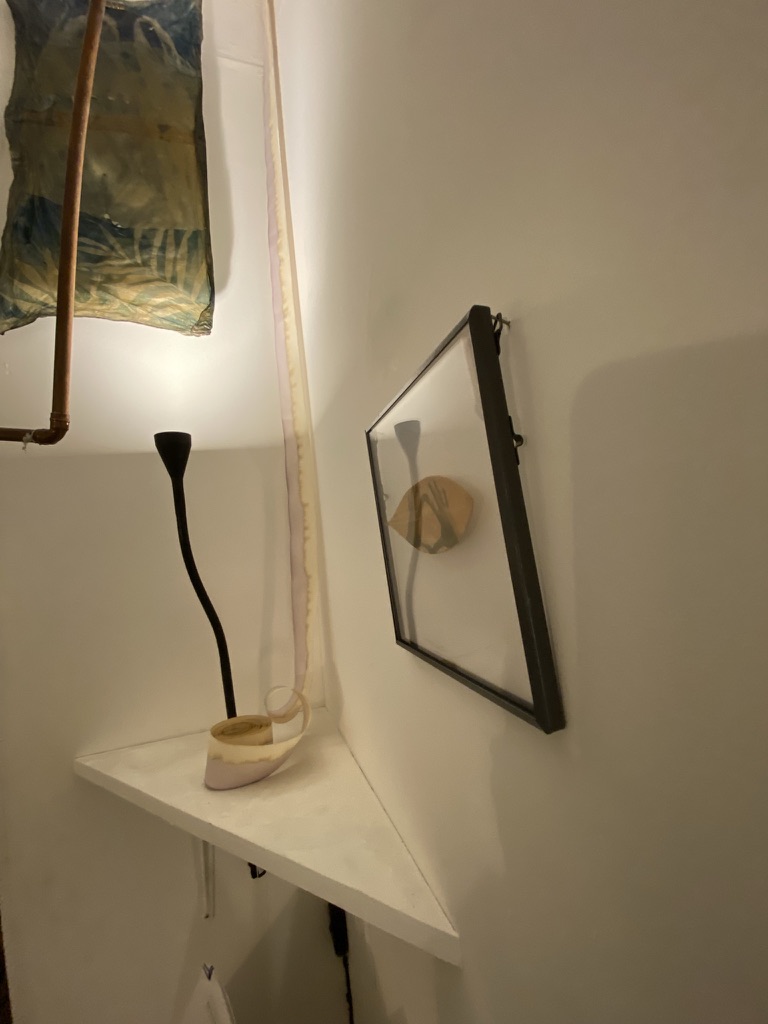
The research of Alice Cazenave and Hannah Fletcher into chemical free photography was presented as a laboratory of curiosities with diagrams, research papers and experiments in progress. The feeling was that the workers had just popped out for a few minutes. The use of lamps to light the space and drawings made directly on the walls enabled this installation to work somewhere between stage set and studio.

Charlotte Osborne’s wonderfully exuberant Harvest Womb used forms made from sugar presented in specimen jars, suspended and dramatically lit. They are intestinal in form, evoking associations to cell structures seen through microscopes – of the biosphere. The space itself was enclosed and narrow with warm pink walls, giving the feeling of a bodily interior place.

Charlotte Osborne Harvest Womb

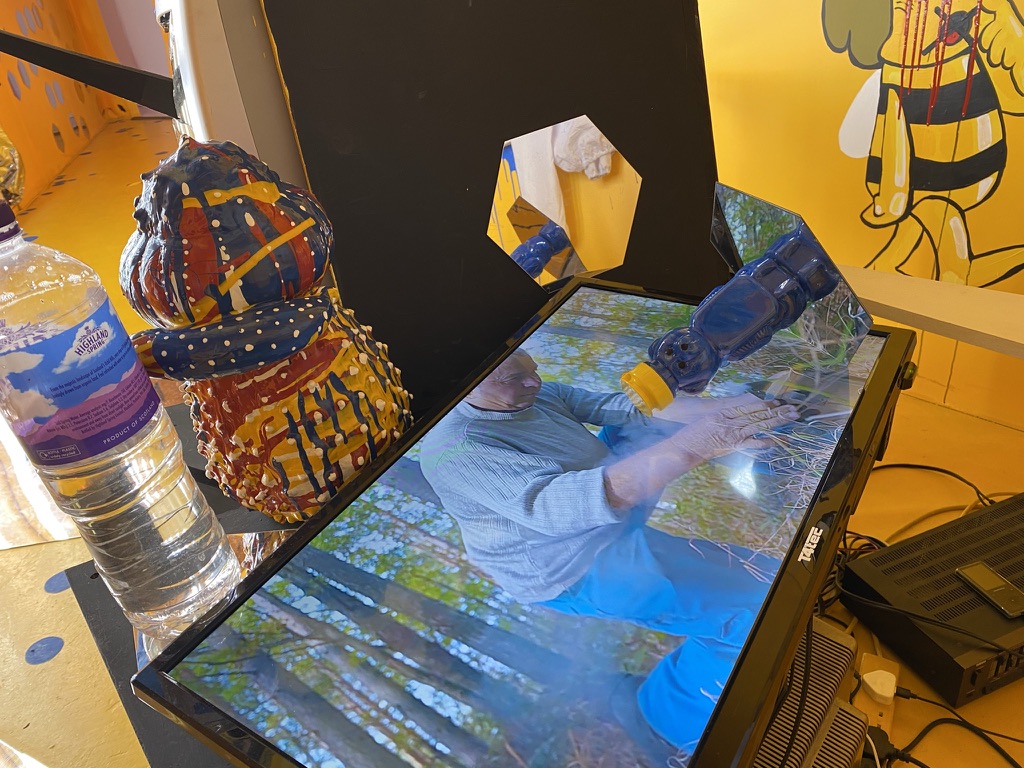
This work and that of Food of War collective in their piece, Colony Collapse Disorder, also had a strong olfactory element. The latter was concerned with the phenomenon of disruption to beehives known as CCD that has been increasing since 2006 and is widely thought to be linked to pesticide use, loss of habitat and changing beekeeping practices. The smells of sugar and honey pervaded both spaces. The use of video in Colony Collapse Disorder (see first image) is an important element of the work, both for the content conveyed and in the way the screen is placed horizontally, amongst a jumble of related objects, as part of that upheaval and disorder of the beehive.

I had the labyrinth to myself which may have made the experience more intense, and for some reason, I kept my face-mask on throughout, which certainly added to the claustrophobic affect of some of the spaces.

All photographs by Liz Clifford

Exhibiting in London.

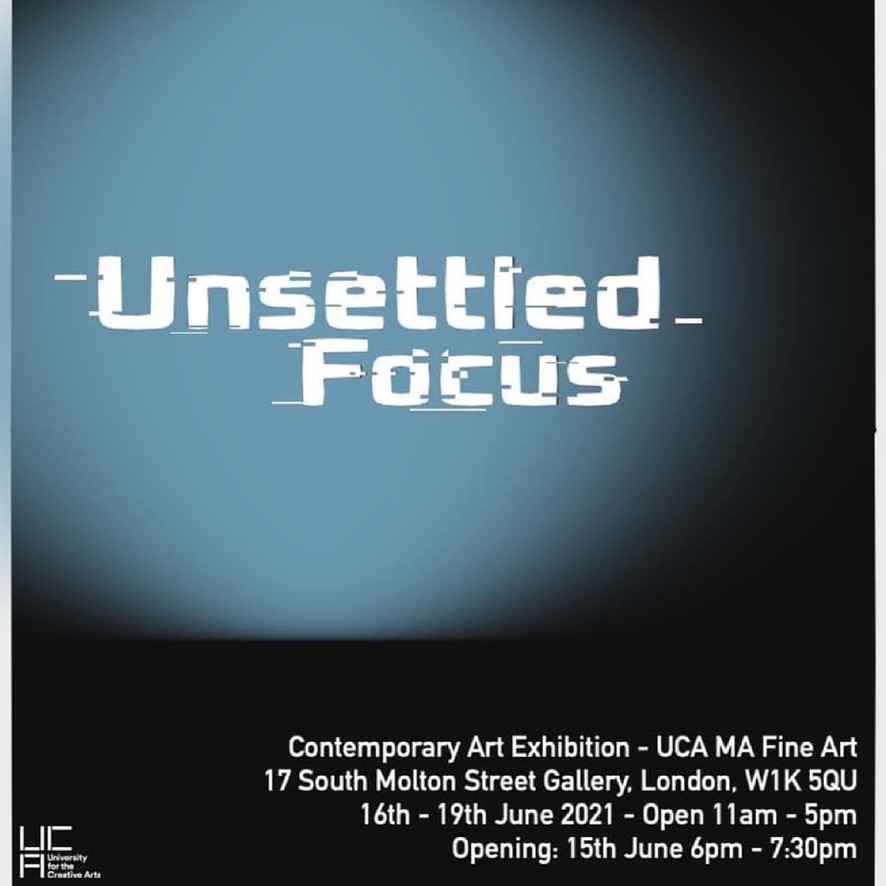
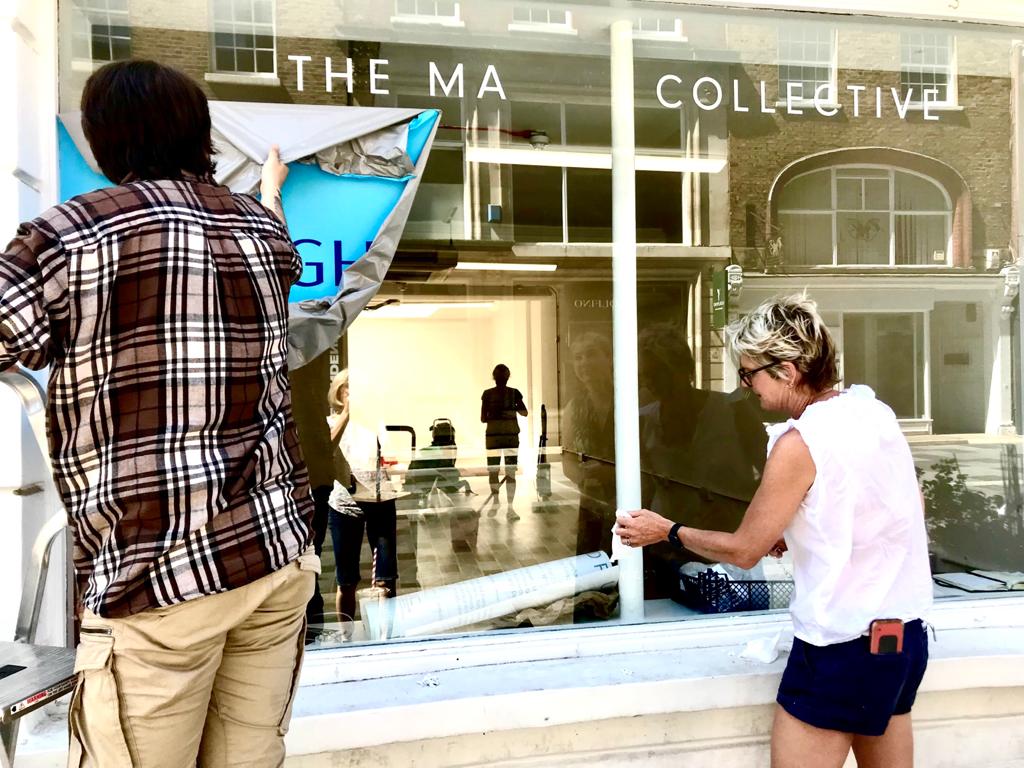
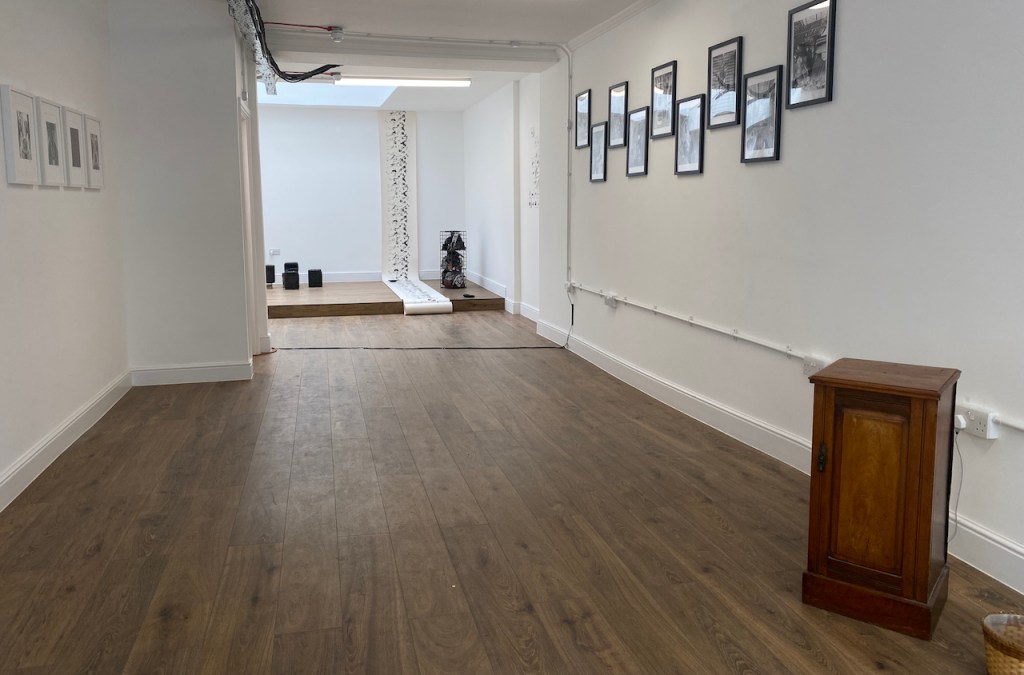
A rare opportunity to show work in London’s West End cropped up this week, as a result of the Covid pandemic having hit high street retail so hard. An empty shop on South Molton Street, just off Oxford St, was offered to the MA students at Farnham for free for a week. It’s in a beautiful eighteenth century building that was the birthplace of William Blake. The space has white walls and is unfurnished, with light and electricity, and only needed the floors cleaned and lettering removed from the window before we could get started installing our work.
Turning an empty shop into a gallery. Photograph by Lucy Bevin.

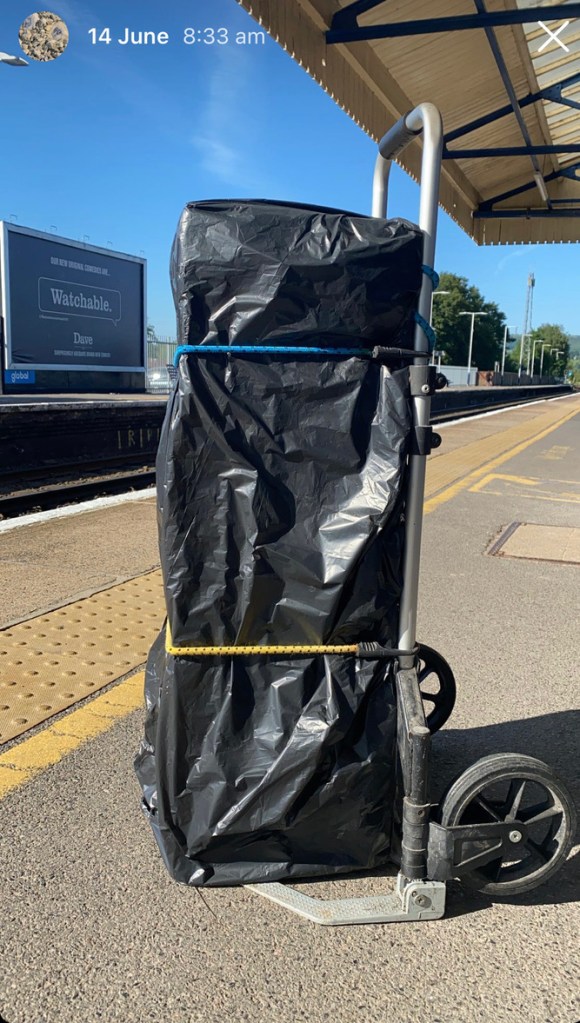
The central London location did present the artists with a considerable transport challenge as vehicular access is extremely limited and parking impossibly expensive. Most work arrived on foot or by trolley having travelled into London on the train. The challenge was to be inventive with the work so that pieces were transportable but still big enough to make an impact. Rollable two dimensional work, and three dimensional work made with light weight components were opted for along with blocks of multiple framed pieces within one work.

Liz Clifford. Work in transit.

The fourteen artists present work reflecting a common thread under the title Unsettled Focus. The proposal starts with a quote from John Berger:

“The relation between what we see and what we know is never settled”

The work spans mixed media, installation, film, photography, sculpture, painting, collage and animation. It can be seen through a series of contextual lenses including future geology and the Anthropocene, our relationship with the machine and technological entanglements, place, the body and the home, the skin and its boundaries, soft dystopia and how we care.

Unsettled Focus. Installation shot of work left to right by Stef Will, Mofe Demuren, Liz Clifford, Robyn Jacobs, Li An Lee and Lucy Bevin.

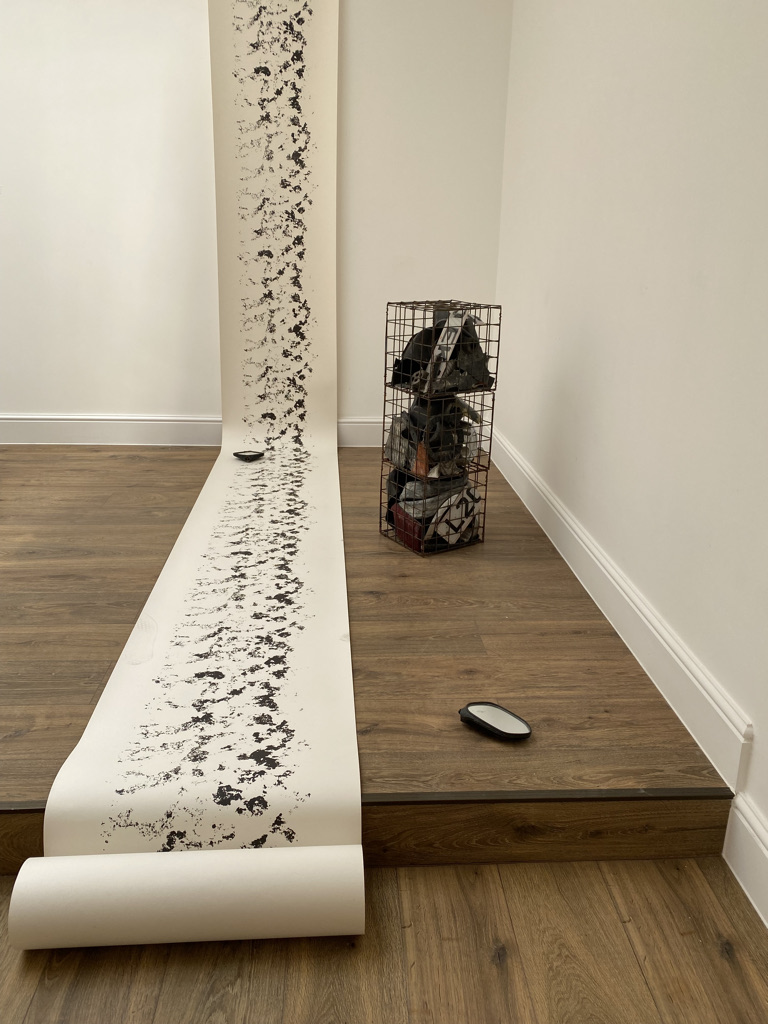
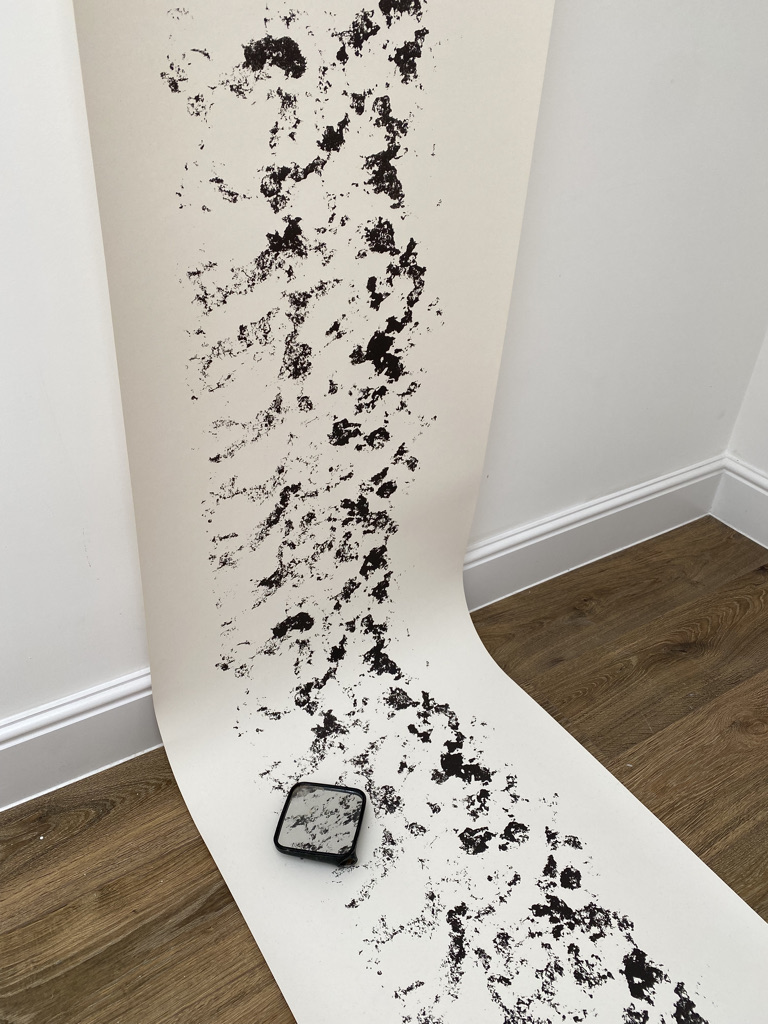
The piece I chose to submit is titled SUV 745 and is a direct response to recreational vehicle use on Byway 745. A 7 metre roll of wallpaper printed with a tyre track image is attached to the wall at ceiling height to unroll across the floor and down a small step. Adjacent to the paper stands a stack of gabion baskets filled with parts from off-road vehicles that I have collected from Byway 745, and wing mirrors lie on the floor reflecting the viewer and the tyre track. It has been a great opportunity to test and document this new piece of work, not having had the space to really stand back from it up to now.

Liz Clifford. SUV 745. 2021

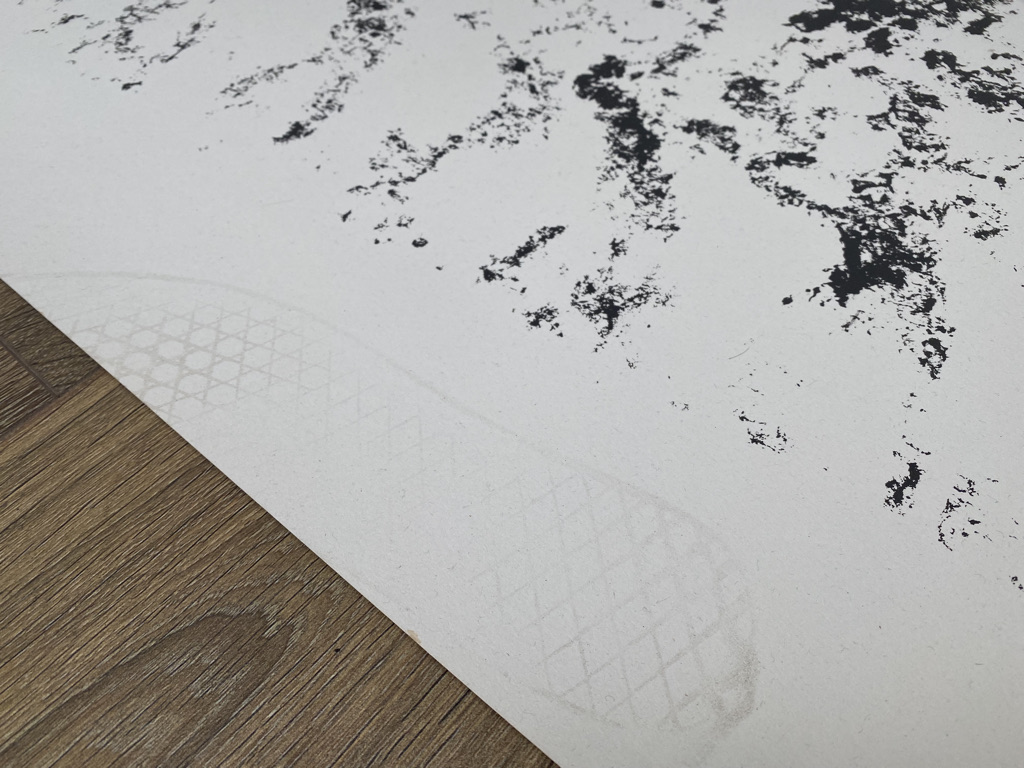
Happy accidents have also occurred with footprints from guests treading on the print during the opening leading me to think about using audience footprints on it for my final MA project.

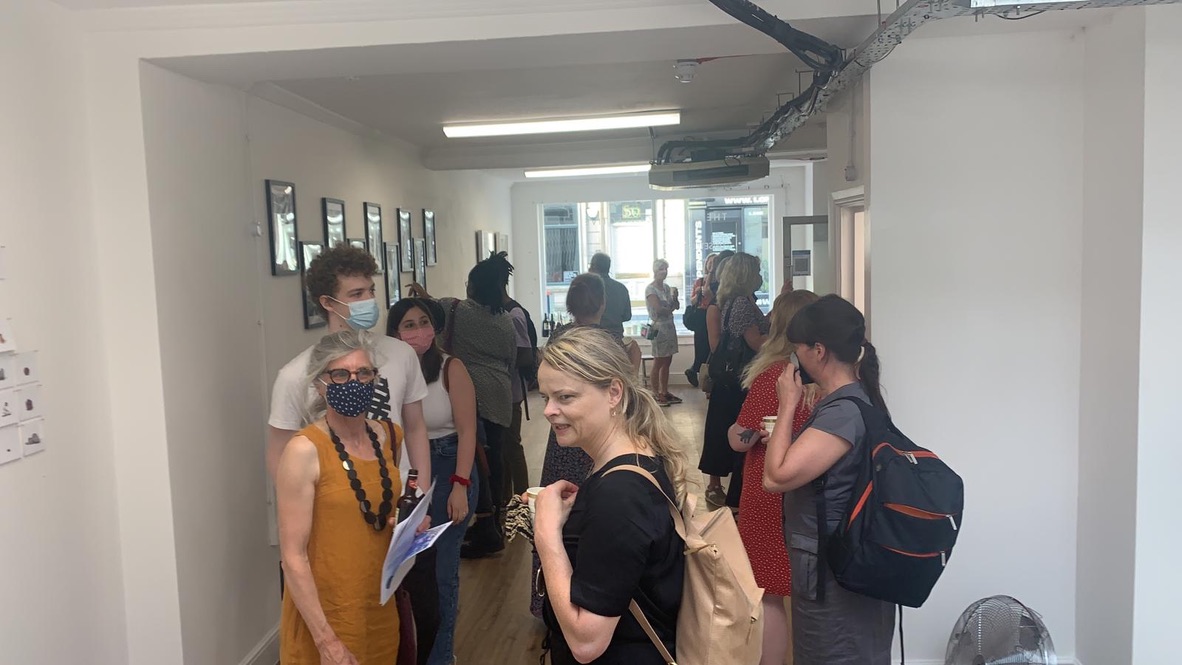
Perhaps the most exciting aspect of the event was to have a proper opening, albeit with face masks, on a beautiful summer evening in central London.

Open Evening photographs by Li An Lee and Robyn Jacobs.

Among the Beech Roots.

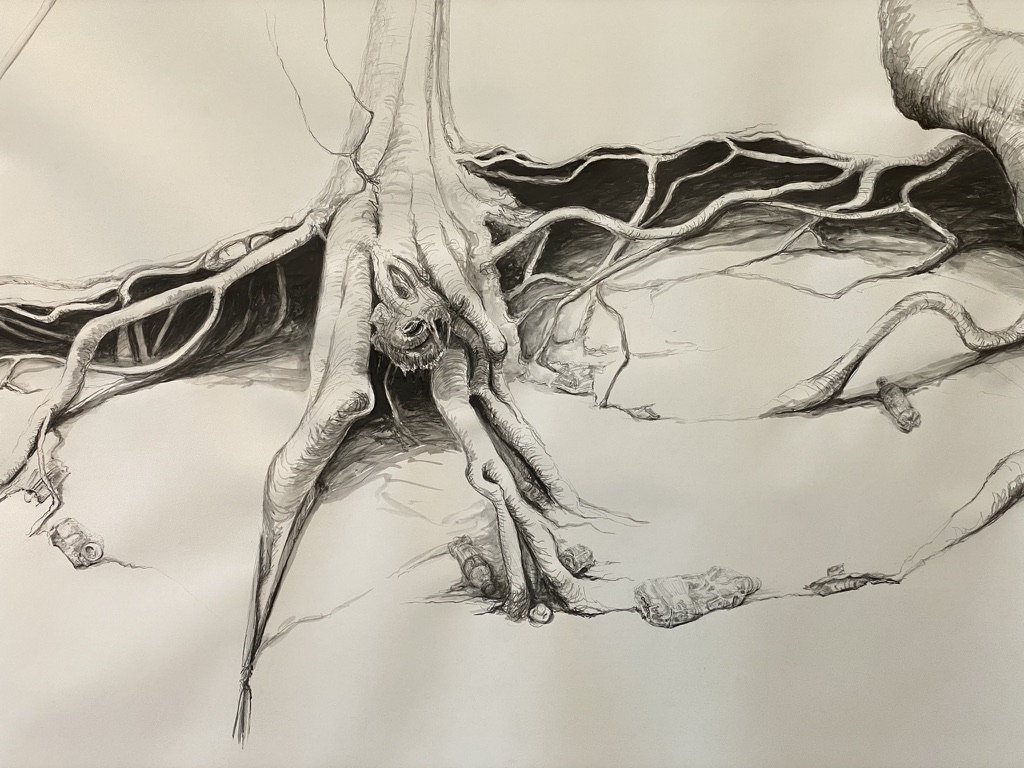
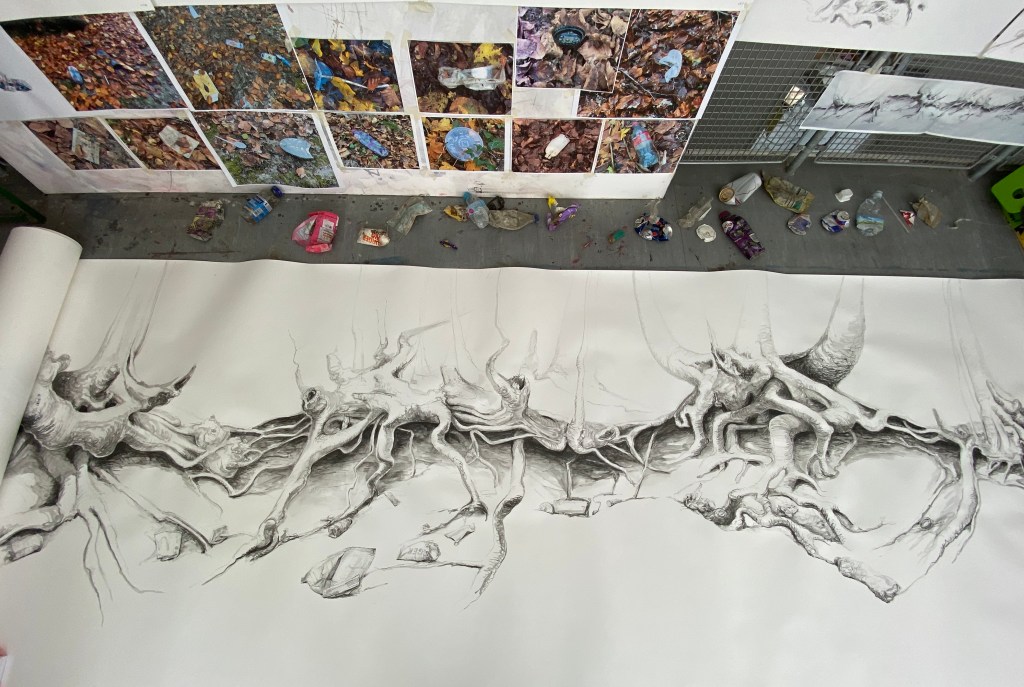
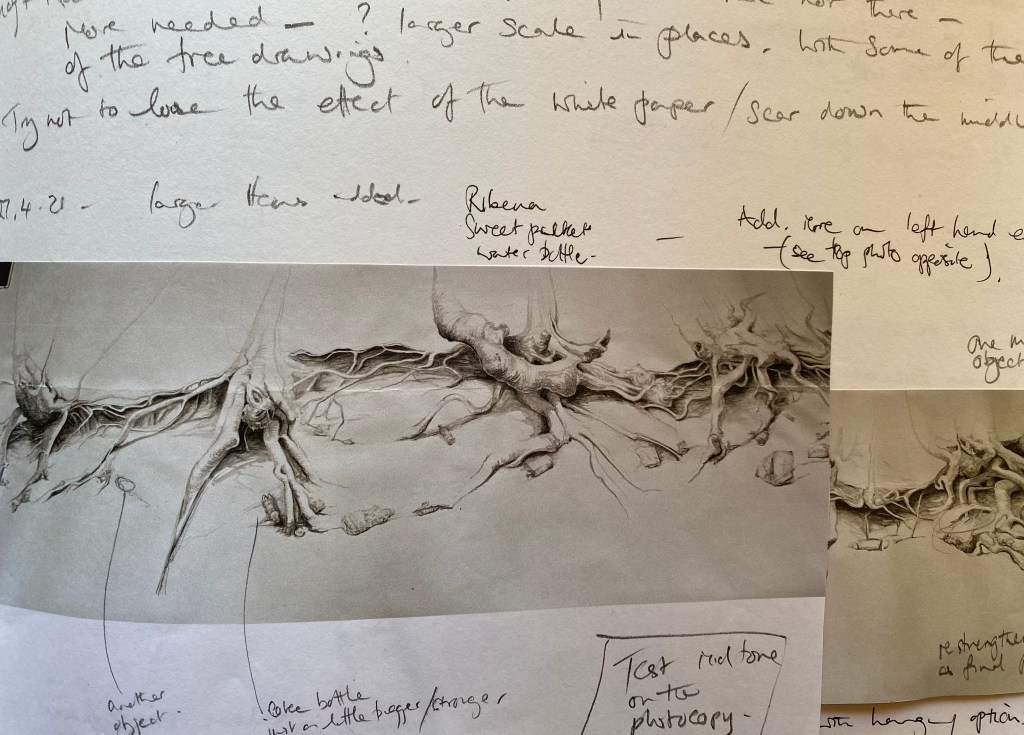
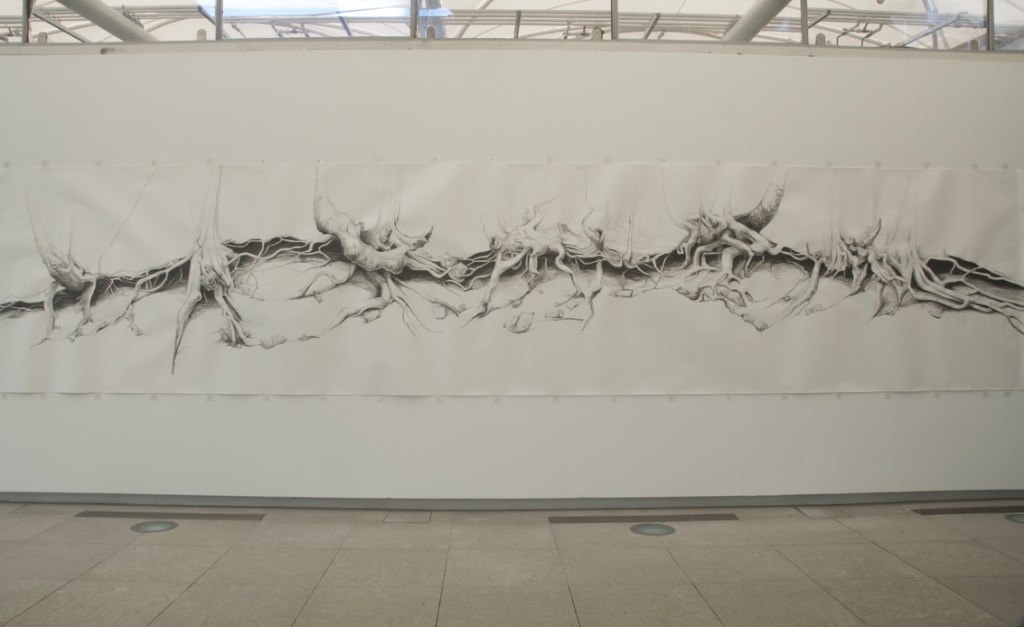
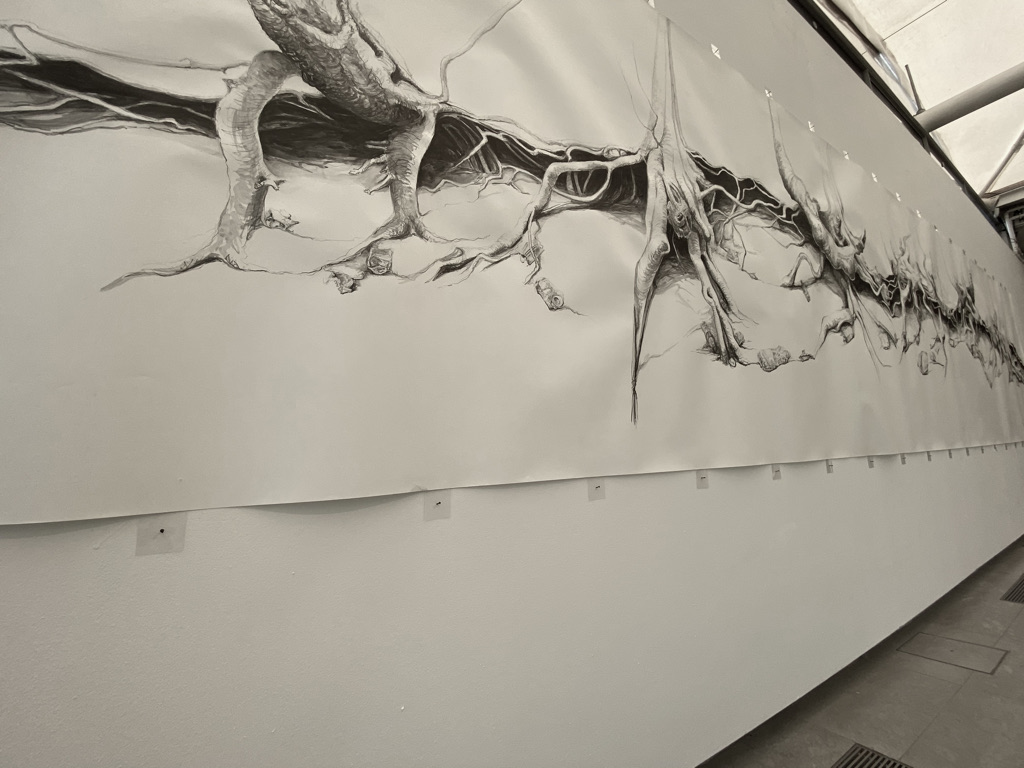
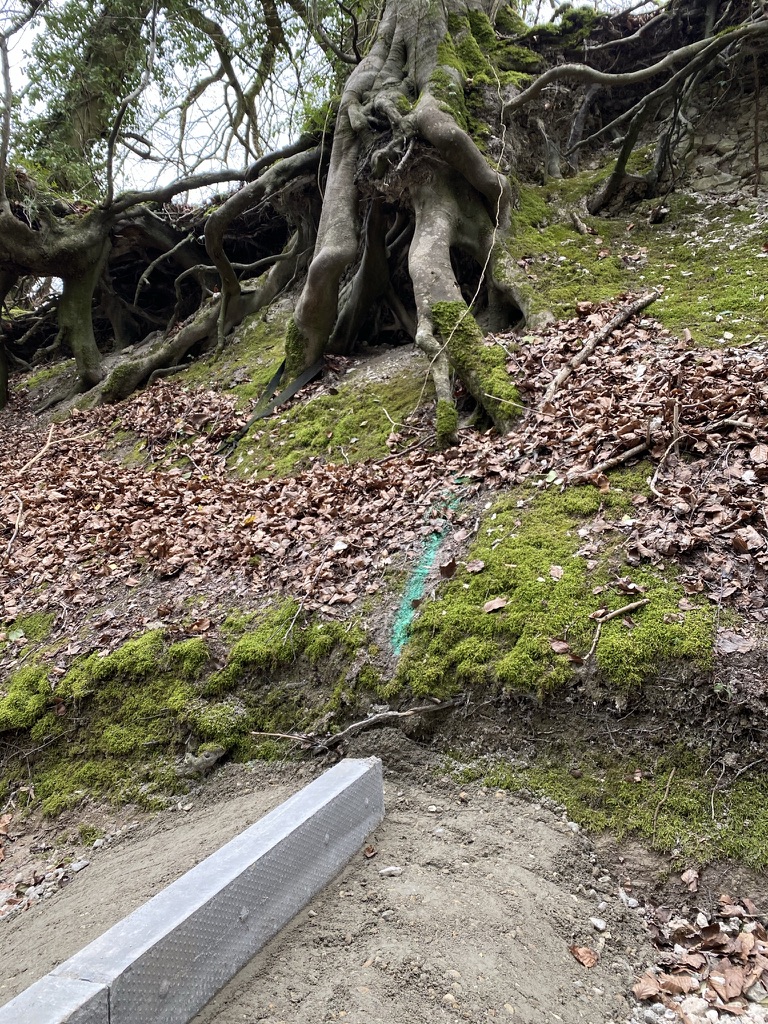
Over the past month I have been completing a large scale drawing project started in Autumn 2020 from studies made in the landscape of the line of beech trees bordering Byway 745 and the litter collected from beneath them. The drawing measures 150 x 700 cm and had to be worked on in sections on the floor. Making assessments and decisions is problematic when you cannot get a view from a distance. The best option was to roll it out and stand on a chair, photograph it and then make notes on the photographs.

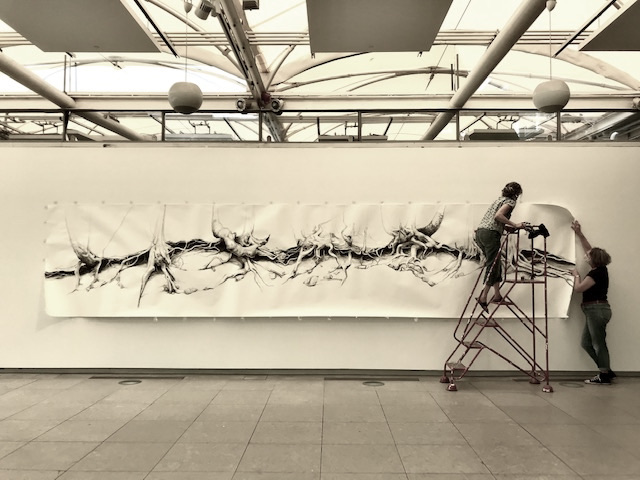
Excitingly, I had the opportunity this week to hang the finished drawing on a large wall in the Foyer Gallery of UCA at Farnham, where I was finally able to document and assess the work. It was a three person job to get it onto the wall, with a system of acetate tabs and small nails. The wall was free for the day, so it was really important to take as many photographs as possible, as I have no idea when another opportunity to display this drawing properly will occur. I’m hoping to include it in some way in the final major project of my MA, as it is very much part of my research in the Byway 745 Observatory. Space will be one the deciding factors. Once able to stand back from it, I was glad to see that I’d been correct to resist using large amounts of mid-tone, thus preserving the horizontality of the deep overhang and making it the first thing the viewer reads, before the details of the litter amongst the roots. On another occasion I would hang it higher on the wall so as to emphasise the sensation of being in the sunken lane below the trees.

Liz Clifford. Among the Roots – Byway 745 Observatory. 2021
Detail. Low viewpoint.
Installing the drawing. Photo by Lucy Bevin.

Whilst making this drawing I have been drawn to reading around the subject of trees and their root systems as well as working on a video about the seasonal changes to the canopy of these particular trees. Jacqueline Memory Paterson, in her 1996 book Tree Wisdom, outlines the beech tree in botanical, historical and cultural terms. Its wood was used for charcoal before being superseded by willow and some of the first books, as opposed to scrolls, were made on thin slithers of beech wood. Beeches possess healing properties, especially for mental health – meditation in beech woods being said to be particularly effective. She touches on the symbiotic relationship between fungus and trees which is now a recognised phenomenon thanks to the work of Canadian ecologist Suzanne Simard whose hypothesis is that trees can communicate their needs and send each other nutrients via a network of fungi buried in the soil. A system known as a mycorrhizal network. This has got me thinking about developing further work about this layer of the Observatory that connects it to the wider woods around it.
Under the Surface.

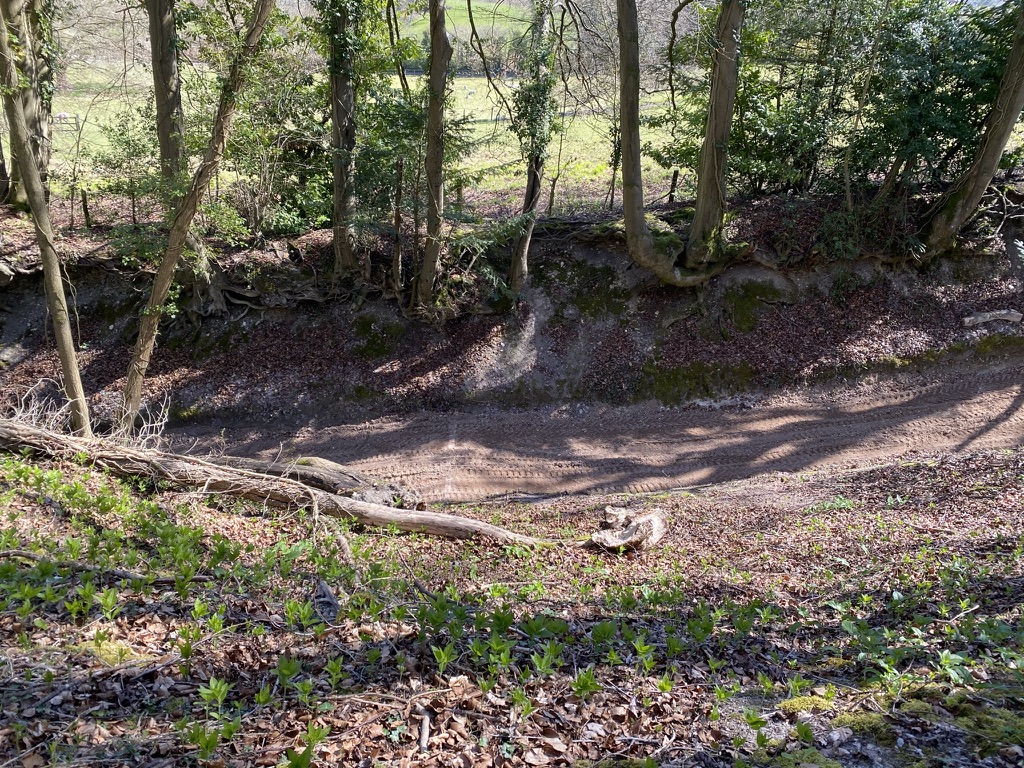
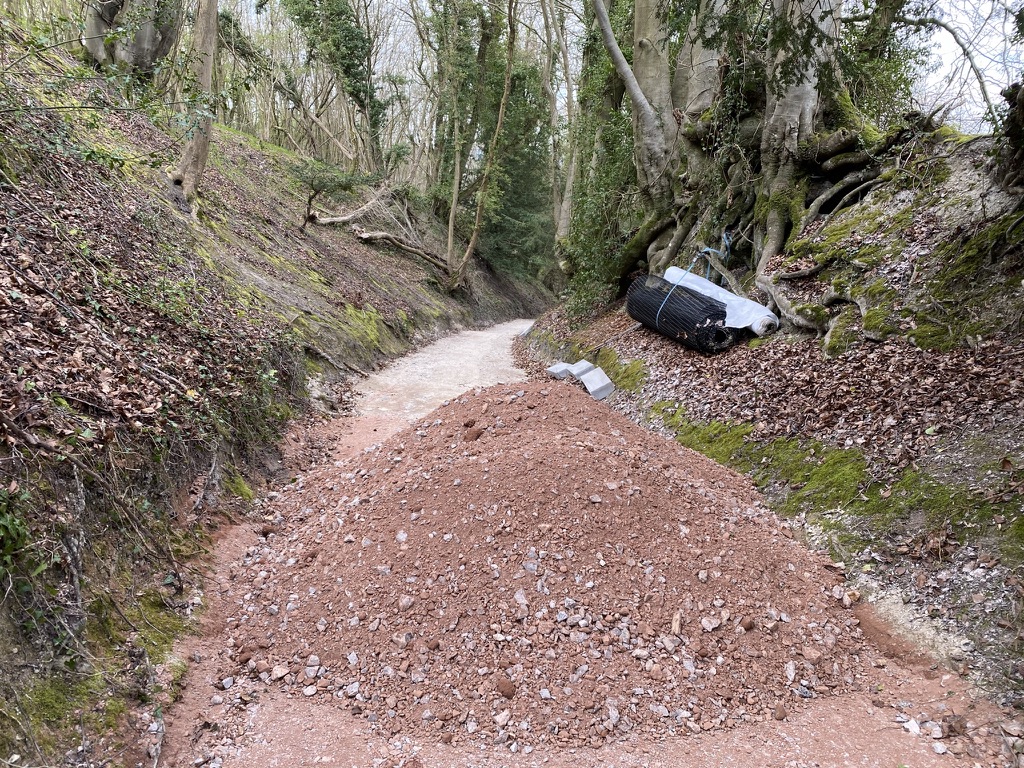
During March and April this year I was able to witness and record a major human intervention on Byway 745. The rutted chalk track was being ‘repaired’ to allow more even public access to users of this Byway Open to All Traffic. I have hours of video footage and many still photographs that need to be edited to make sense of what I was witnessing.

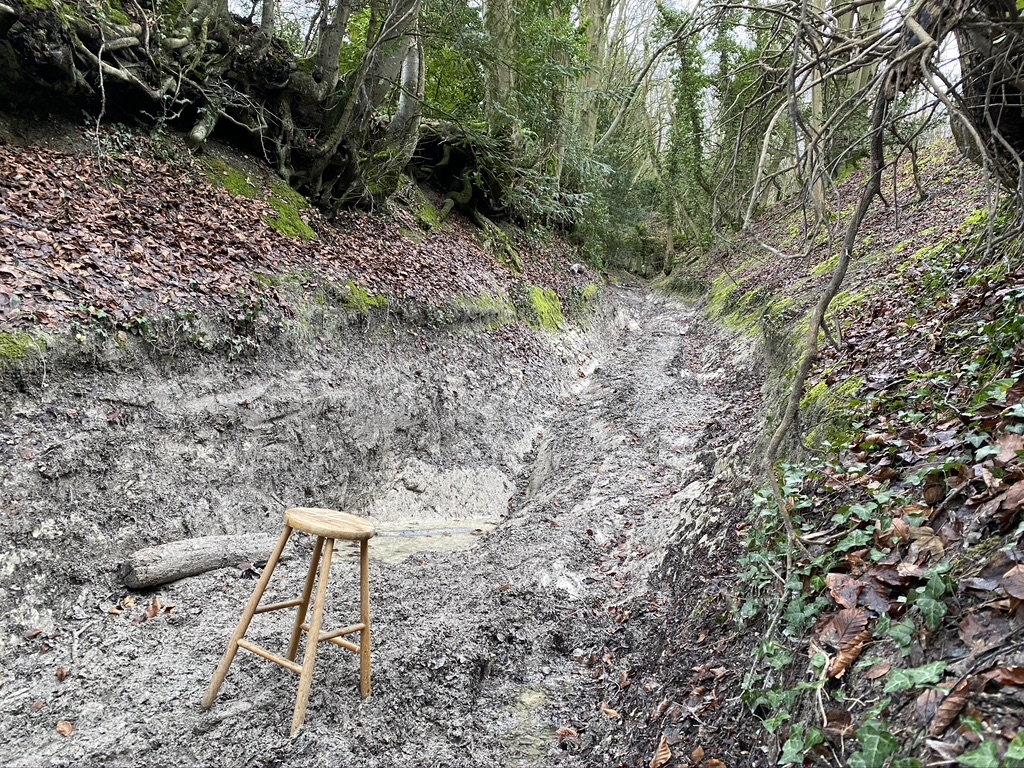
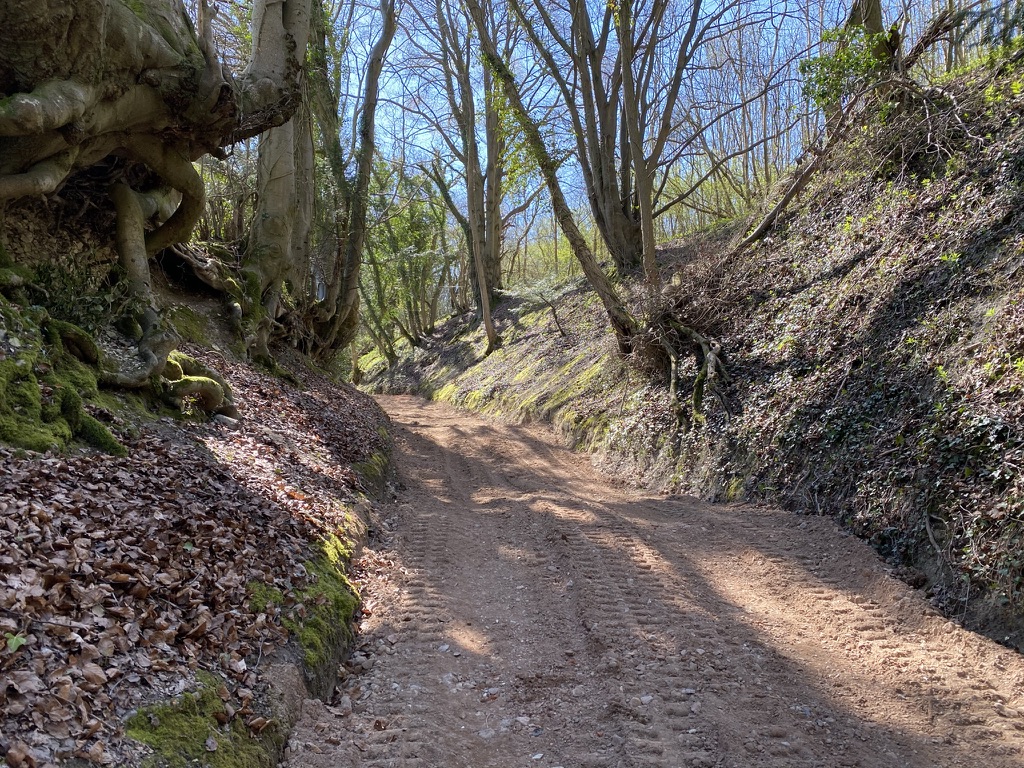
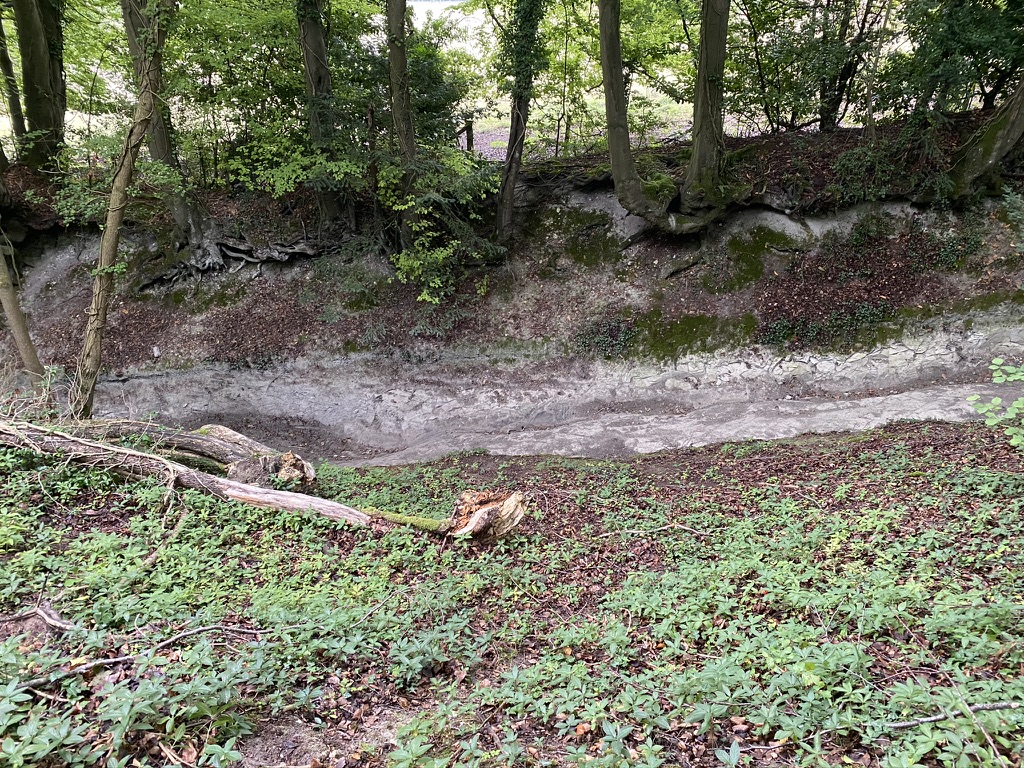
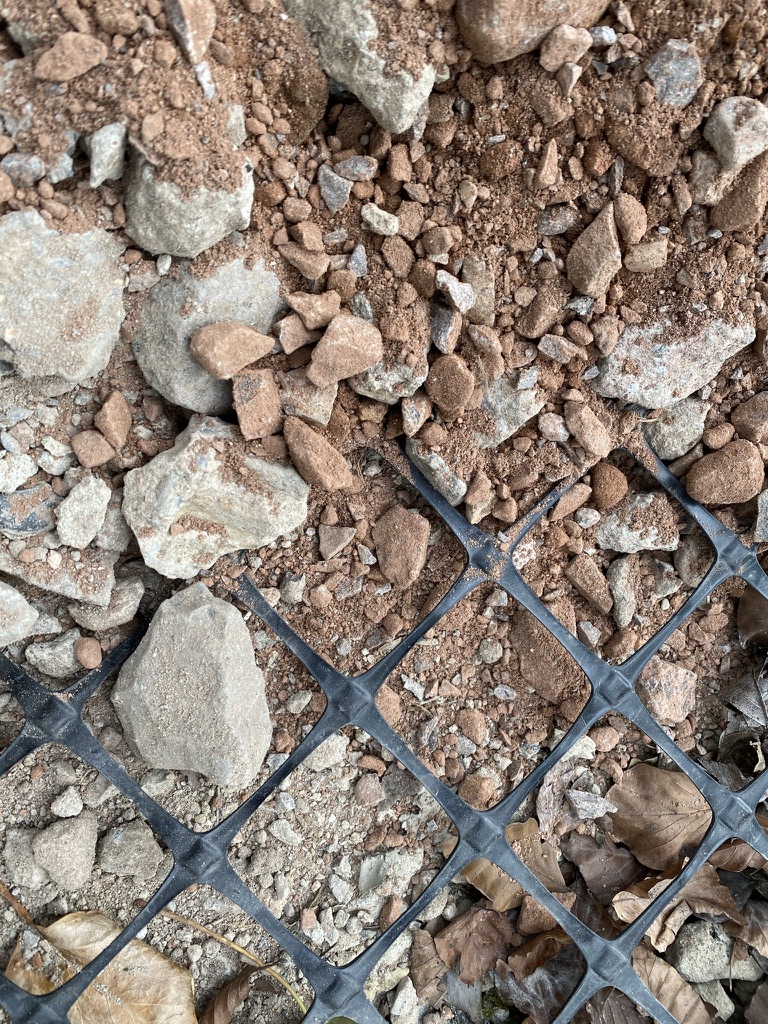
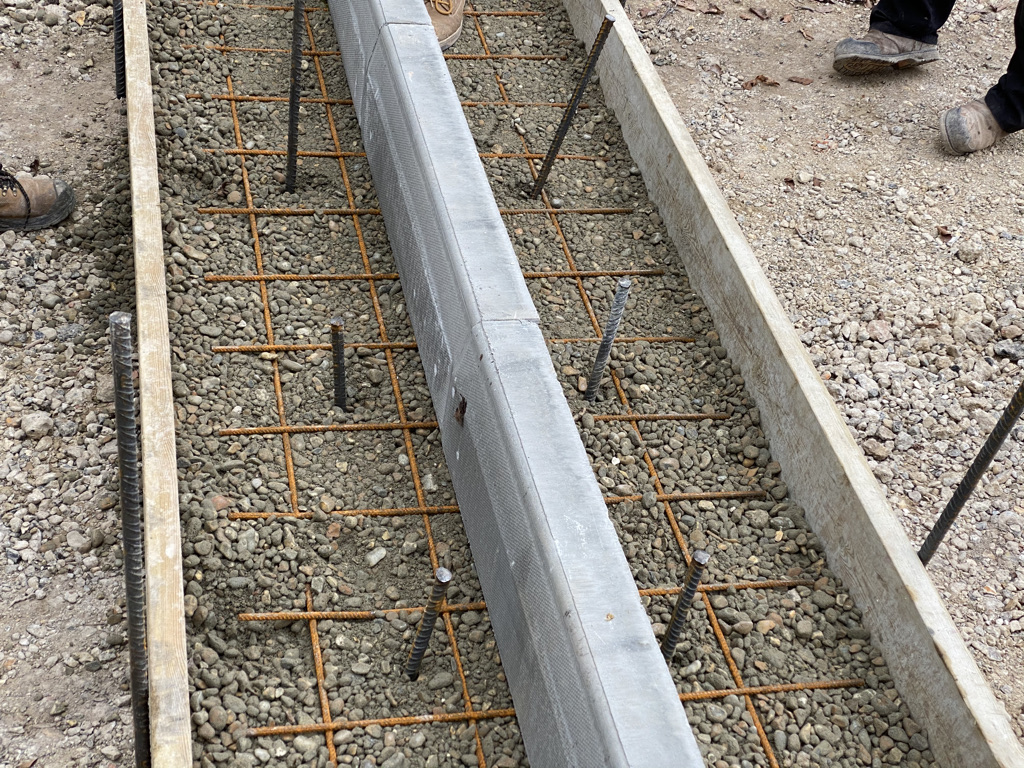
The task of logging all the footage is complete and now I am developing the script for my video which, in turn, will form part of a larger multi-disciplinary work about the location. Looking through all the still photographs that accompany the video has been a crucial step in this process, allowing me to see what the central concerns of the work really are. What has emerged is a need to concentrate on the changes imposed on the part of the track I call Byway 745 Observatory. This is the area that has undergone the most change with the installation of a drainage pipe, concrete bulkheads and a back filling of hardcore and limestone. The bedrock of chalk that was previously exposed in deep ruts eroded by rain water flowing down the hill and exacerbated by 4 x 4 recreational vehicles has been buried under this new surface.

It is a surface of human generated deposits that is described in geological terms as part of the Quaternary layer – that of alluvial deposits, landslip, landfill, worked and made ground. Those last two categories are the most rapidly growing and are made up largely of concrete, production of which is currently around 30 billion tons a year. They also contain vast amounts of plastics. Ironically, this conservation project has been no exception to the trend.

All photographs by Liz Clifford.

Learning new skills.

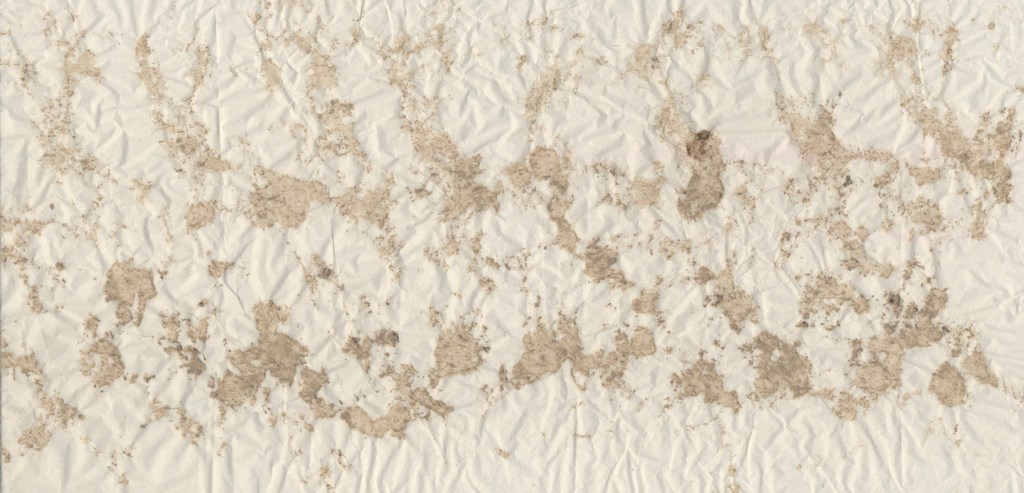
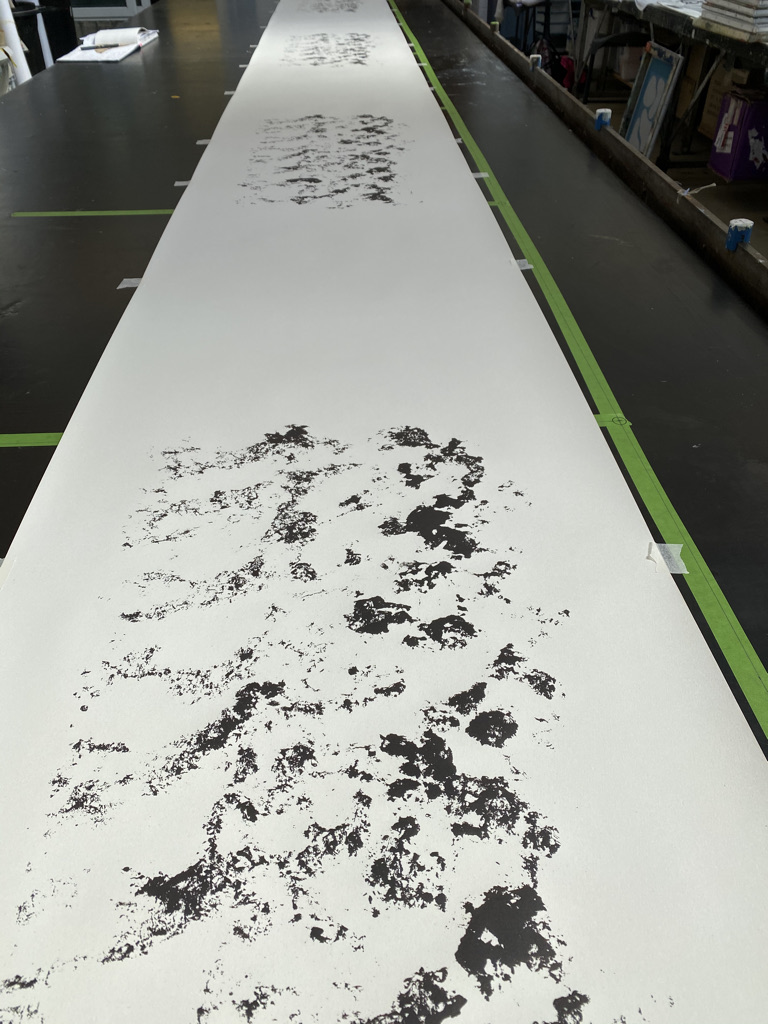
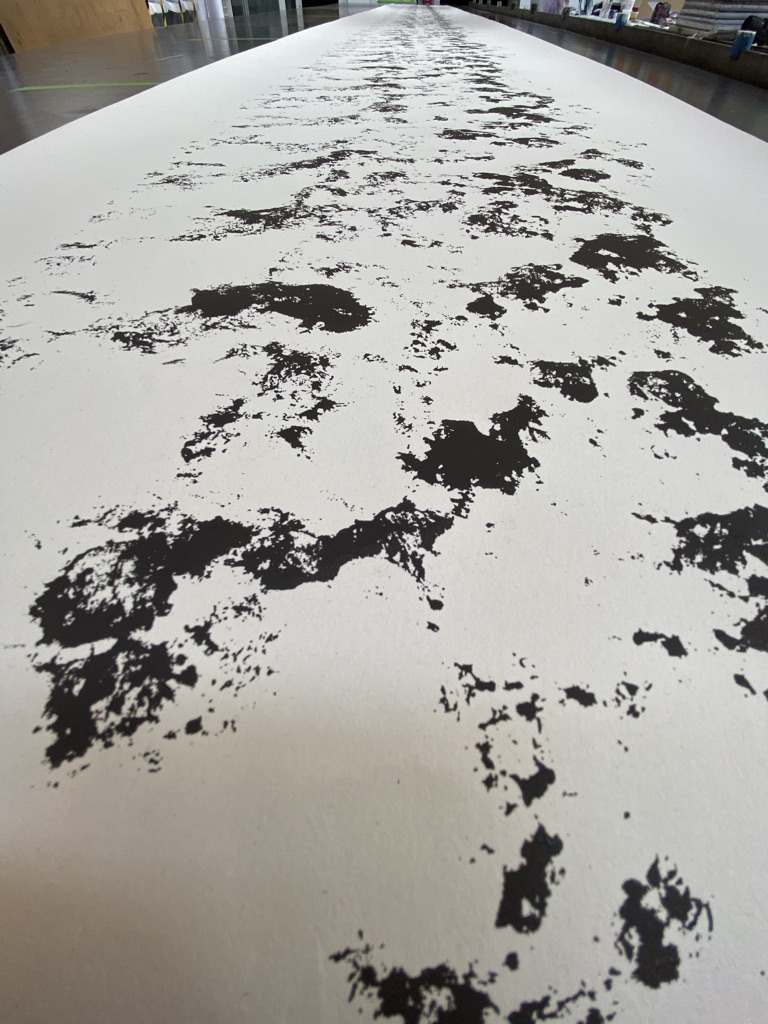
I have been collecting images of vehicle tyre tracks from Byway 745 for some time, building up a series of mono prints made by lying thin paper directly into muddy ruts. Once the mud is dry the image becomes rather faint and indecipherable, so I’ve been puzzling over how to make something stronger, and also longer, that will read, at a glance, as a tyre track. Screen printing is the process I’ve been using, making several technical steps from the original mono print to arrive at the solution.

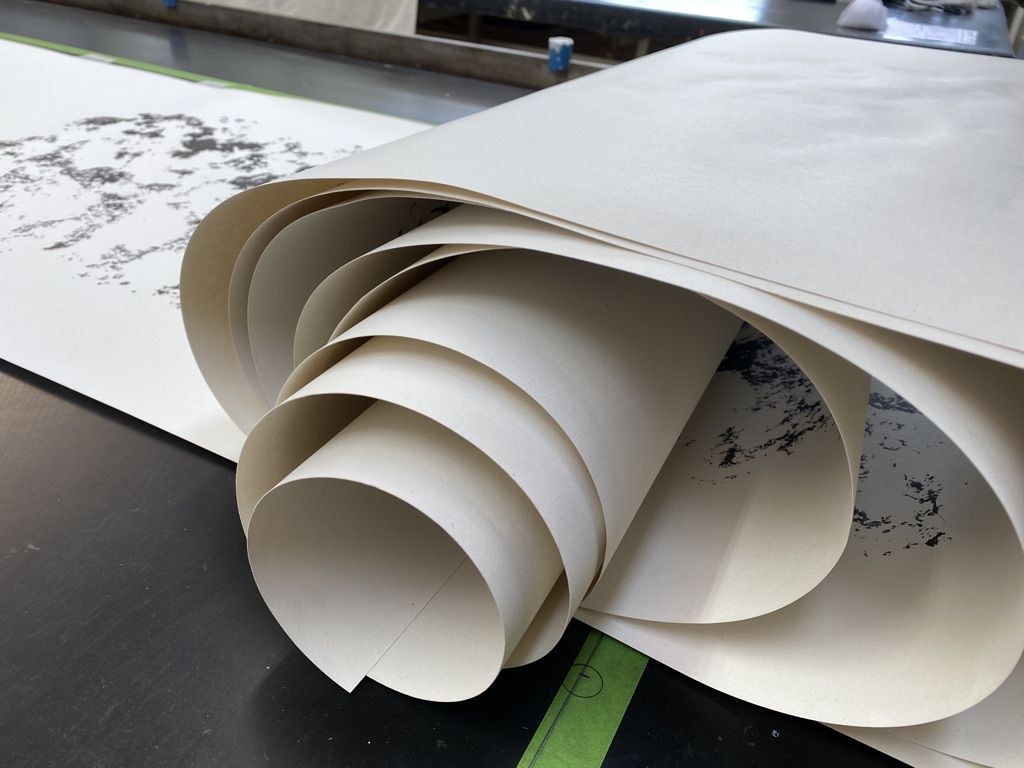
The plan was to make a repeat of the original image so that it could be printed on really long paper. The paper in mind was wallpaper lining paper, a material already used to make long drawings and frottages. This is not a direct print of the tyre track in the way that Robert Rauschenberg’s Automobile Tire Print of 1953 is, in which John Cage drove his car over the paper, but more of a simulation from a direct starting point.

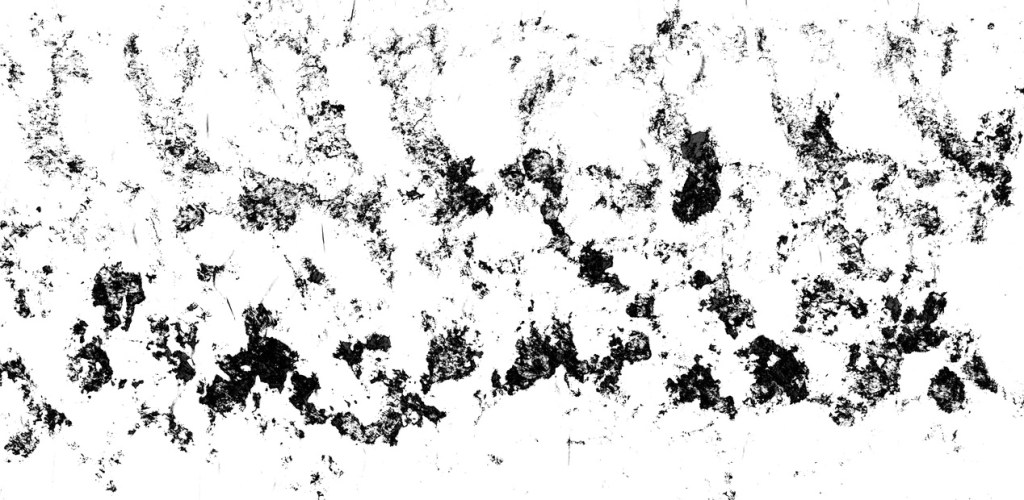
The first step in the process was to work on the scan in Photoshop to create a black and white image suitable for making a photo screen. This involved converting the image to greyscale, exaggerating the contrast and then making a bitmap with specific halftone screen settings for the mesh size to be used. In addition, the repeat needed to be worked out so that it would appear seamless and registration marks were needed on the positive so that this could be achieved. Luckily, I had access to excellent technical help in both Fine Art and Textiles departments at UCA, Farnham. It was the textiles department that had the space and equipment I needed to print 9m lengths in one go, as well as the method for infinite repeats.

The key to the success it this way of working is definitely in the preparation. From the original image right through to setting up the printing table. It doesn’t pay to rush or skip any of the stages. Once the screen was ready, ink mixed up and paper on standby, the table needed preparing so that the repeat would work as planned. The positive that was used to create the screen is then used to mark out the table to estimate alignment markers for the paper and the stops for each positioning of the screen.

Marking out the print table with positive and exposed screen lined up on registration marks.

The stops are fixed to the bar that runs down the length of the table and are numbered. The screen has a bracket that rests against one side of each stop every time you print and has two spacer bolts that ensure it is always the same distance from the bar. You print odd numbers first and then even numbers to allow the ink to dry before laying the screen over it. It was only possible to print four times before needing to clean the screen, or risk the ink drying and clogging up the mesh. An A1 size screen is a two person job as the squeegee is an arm’s span. One person holds the screen steady and helps lift it clear of the paper and into the next position.

I have around 20 metres of tyre track wallpaper to use in my work, which is really exciting. There is so much that I can afford to take risks with it, knowing that I now also have the skills to make more.

The view from below.

Since June last year I have been making video footage of the canopy of trees that overhangs Byway 745 at the point where I have been observing a variety of phenomena. The plan is to assemble a loop that takes the viewer through the year’s changes. Excitingly, spring has sprung and the trees are leafing up again after what seems like an endless winter.

My method is to make weekly recordings in the same spot with my phone camera on a small tripod facing straight upwards into the trees. The camera isn’t placed strictly in the same position each time but certain branches and trunks are recognisable throughout. I take 3 shots each time – a wide-shot, a mid-shot and a close-up.

I will edit this footage together so that it gives the feeling of a slight shifting of focus during its cycle, as if the viewer were lying on the ground beneath the trees, rather than having a regular time-lapse aesthetic. There will be the changes in shot type as well as the shifts in positioning to help with this, along with varying shot durations.

The business of looking up is linked to that of looking down. It is about taking in the whole space. The body of work I have been making in this place is about the critical zone of the lower atmosphere down to the bedrock of chalk. The life of that canopy hovers and glides over me as I aim the camera at it and at the same time as working on this piece I am completing a large scale drawing of the roots of these same trees.

My initial stimulus for making this piece was seeing Jennifer Steinkamp’s Blind Eye 1 (2018), below, at the Hayward Gallery exhibition Among the Trees in 2020.

Her piece is a 3 minute computer generated video projection of the seasonal phases of a fictional a birch grove. The viewpoint is looking straight into the trunks, not taking in the tops or the roots of the trees. There is no sense of what is beyond and any movement comes from a gentle swaying of the trunks and a suggested breeze that ruffles the leaves.

My challenge is, partly, how do I condense a year into a short enough time slot so as not to bore an audience. Steinkamp’s piece is mesmerising but silent, and loops continuously. The vast scale invites you to walk along its length. I’d like my audience to be required to look up, as if into the canopy. Maybe they’ll need to lie down and view the piece slowly. If it’s an effort to get installed for viewing, perhaps they won’t jump up too quickly. I also aim to use the audio I have been collecting, which tells the story of the seasons almost as much as the visual element does. Now I have verging on a year’s worth of footage I can really make a start at the editing of this work.
All photographs by Liz Clifford.