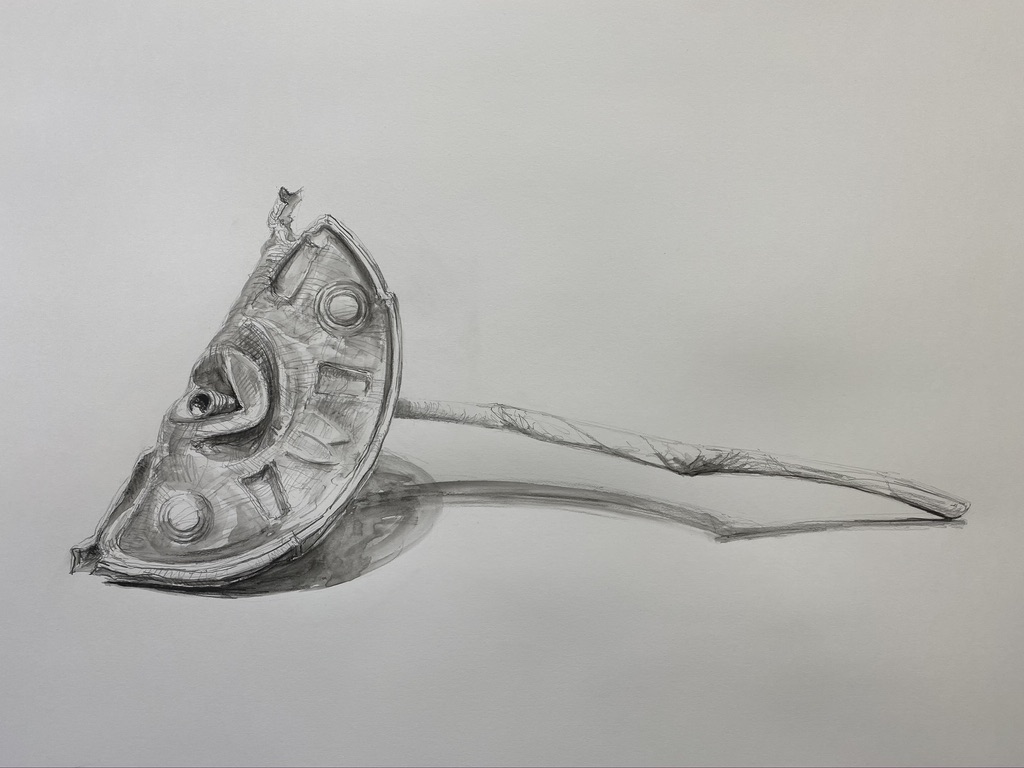
Drawing from observation is part of my art practice. This is undertaken in the landscape as well as in the studio. Drawings are made from natural forms and from the found objects that appear in my three dimensional work. I am currently experimenting with ways of reconciling this 2D part of my practice with the 3D, photographic and time based elements in an attempt to create a wholistic curation that brings the outdoor site into a gallery space, drawing on the writings of Robert Smithson as well as on contemporary curation. The site is Byway 745 Observatory, outlined in my previous blogposts, visited almost daily and the source of subject matter and materials for my art practice.
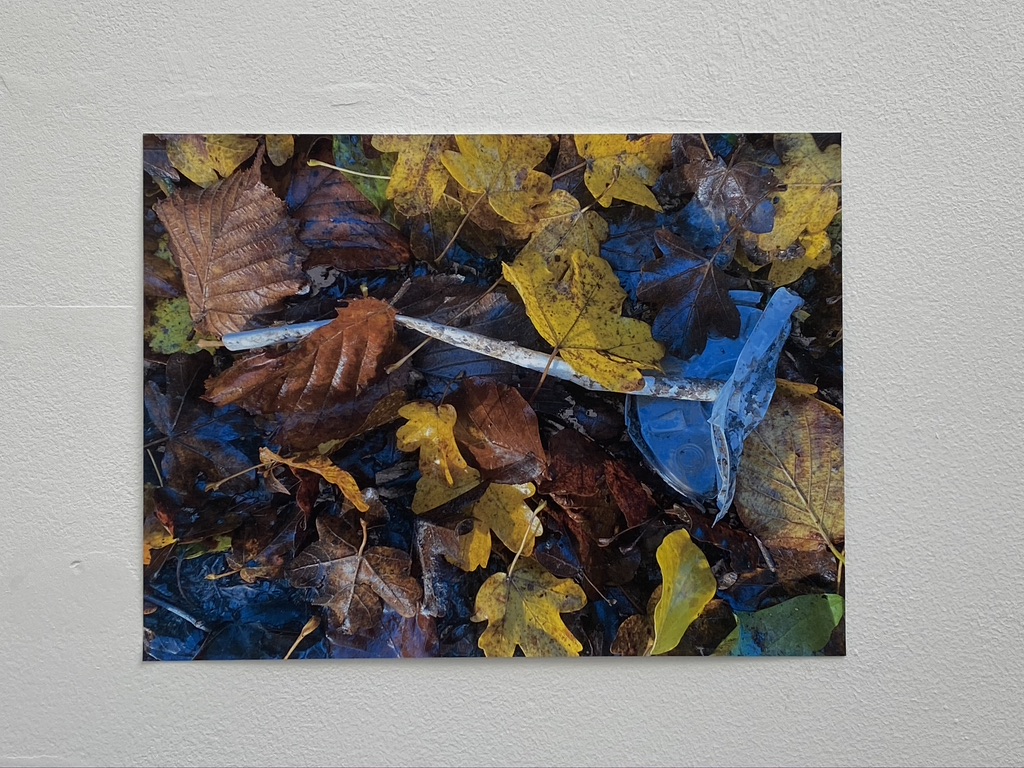
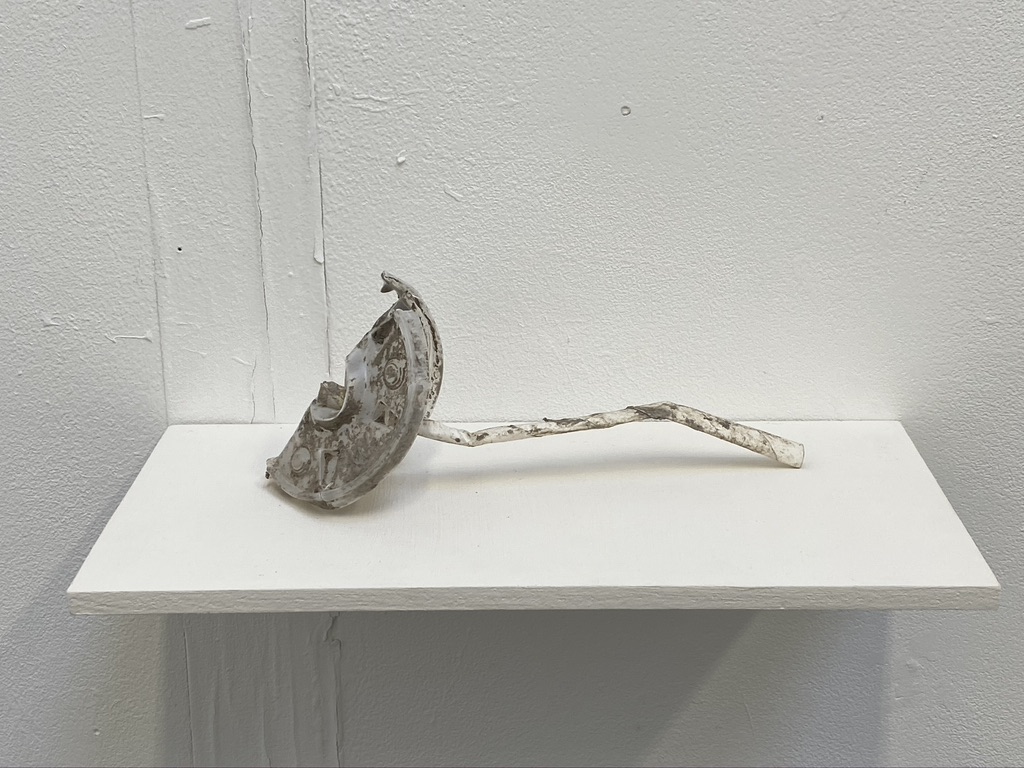
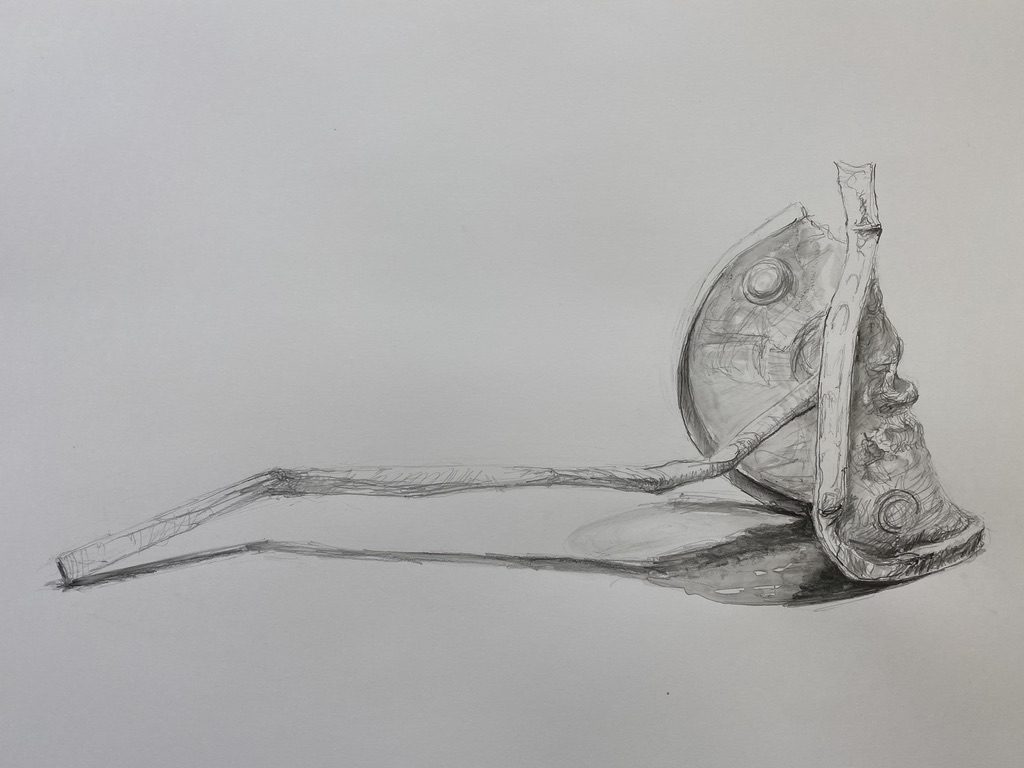
I recently presented graphite and wash drawings of detritus alongside a photograph of that same detritus in the landscape, and the object itself. The object was a discarded McDonalds drinks lid and straw, crushed and muddied. Ubiquitous and abject, as any litter that has had body fluids pass over it is in these times of global pandemic. The effect of showing large, formal drawings of that object is to elevate it so that it is not immediately recognised for what it is. Those commenting on the curation all said that they saw the drawings first followed by the photograph, perhaps drawn in by the colour, and finally the object on the shelf. With hindsight I feel I should have placed the object further away from the drawings, perhaps at a much lower level or even on the floor. The drawings measure 59 x 84 cm but could have been bigger still, creating a greater contrast. To have had that greater space between drawing, photograph and object might have led away from the comparison with Joseph Kosuth’s 1965 One and Three Chairs.

Following this work, I have been encouraged to revisit my earlier series of drawings of the ancient beech hedge that borders Byway 745, embarking on a large drawing in the studio that incorporates all six into a 7metre long frieze. This echoes the horizontality of the form as it overhangs the sunken lane and the logistics of working on the floor rolling out a section at a time also embeds the horizontal into the work.
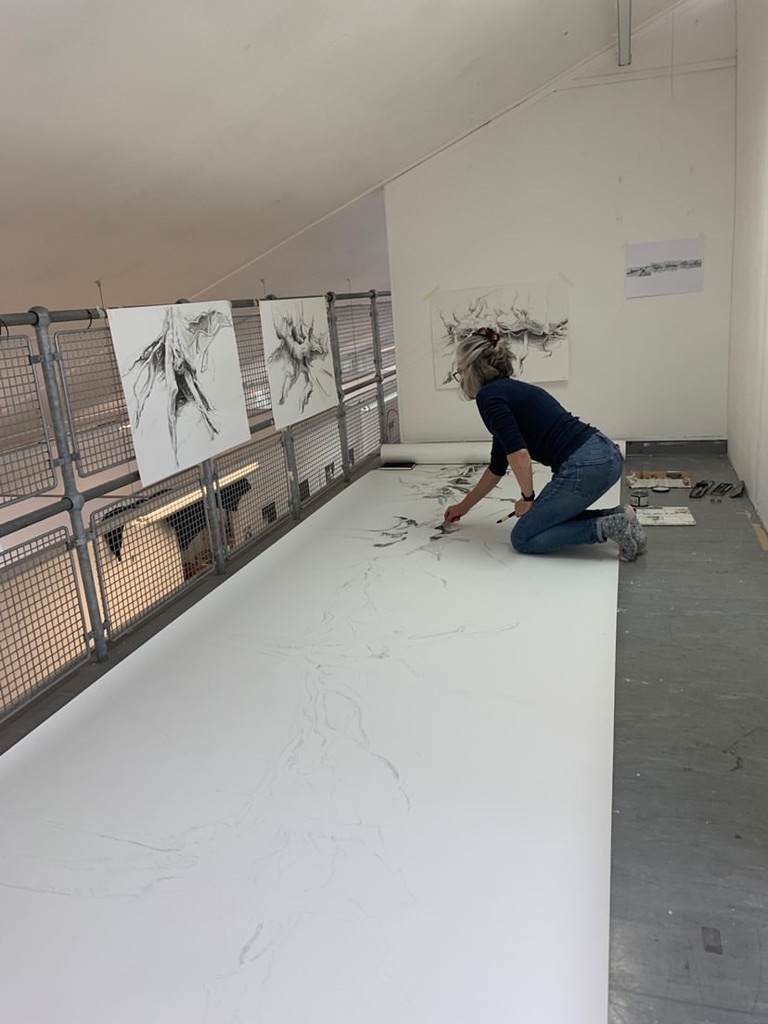
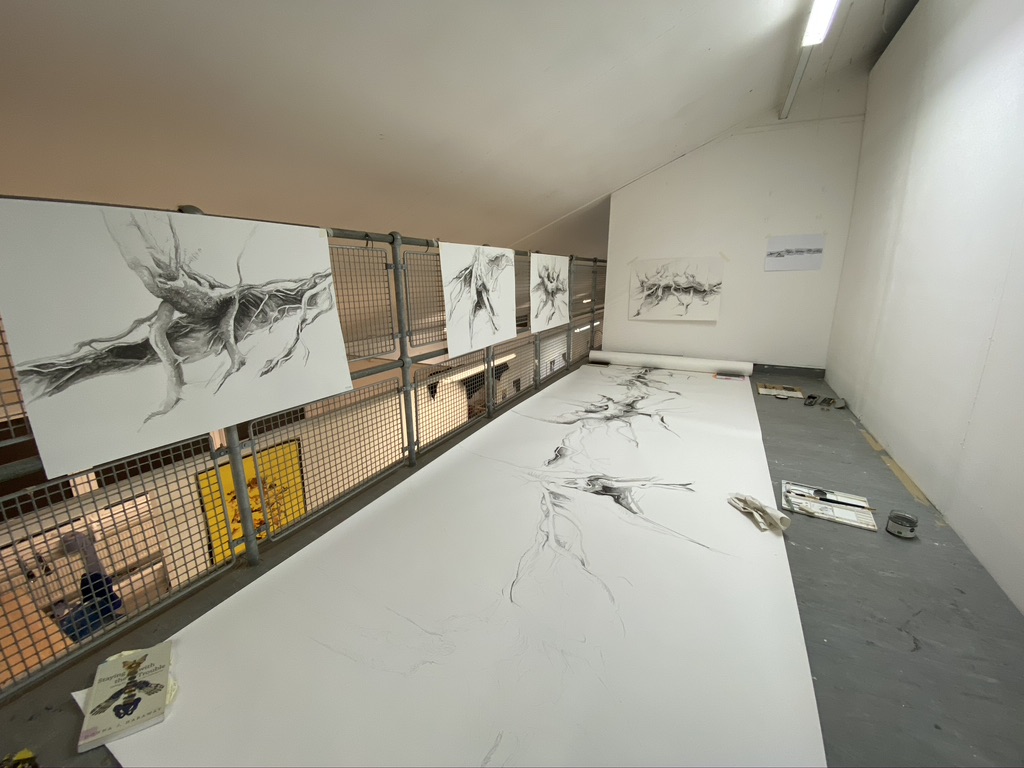
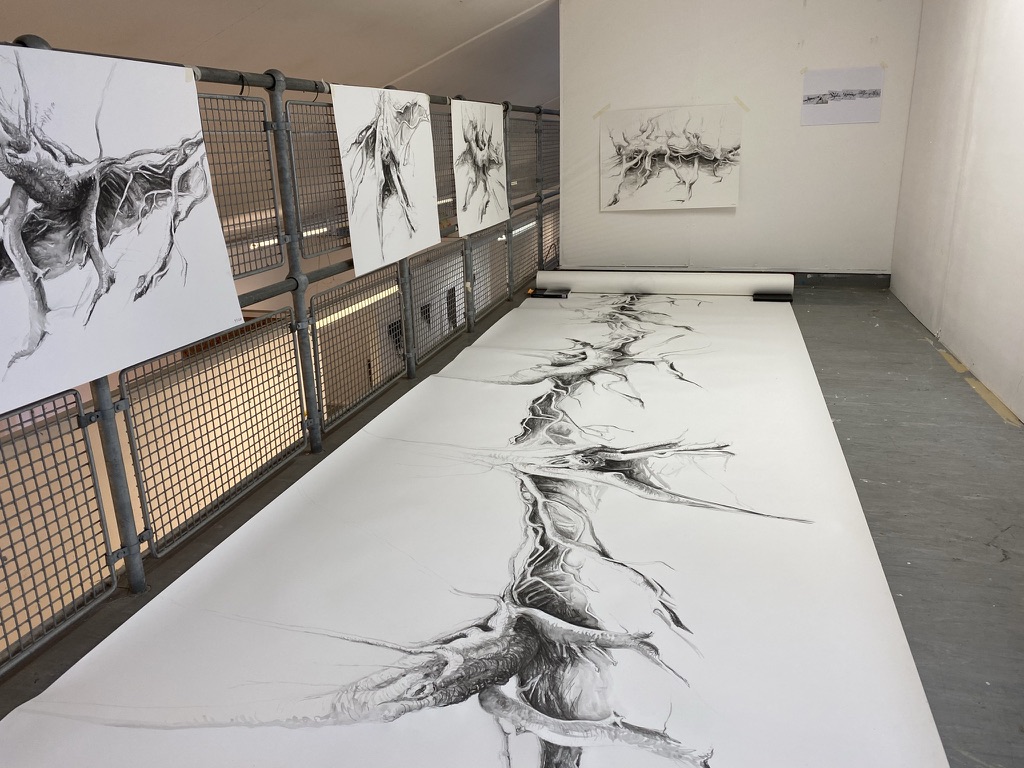
I intend to juxtapose photographs and objects with this drawing as well. I have a huge collection of photographs of detritus dropped as people pass beneath these trees that form the boundary between public and private land. It is a record of human movement along the public Byway, the same movement that is causing an acceleration of the erosion that undercuts the trees ever more rapidly. The litter is tidied up by me and no one else, becoming a form of hoard. It is predominantly made of plastic which will photodegrade but not biodegrade. Plastic gets smaller and smaller but does not turn into something else and fragments of it discarded in this landscape will eventually find themselves in the sea and in future rock strata. As Heather Davis writes in her 2015 essay Life and Death in the Anthropocene: A Short History of Plastic it exists ‘outside of death and life. It seals off the cyclical mechanisms of circulating matter, clinging desperately to an identity that reaches far beyond biological time into geological time.’
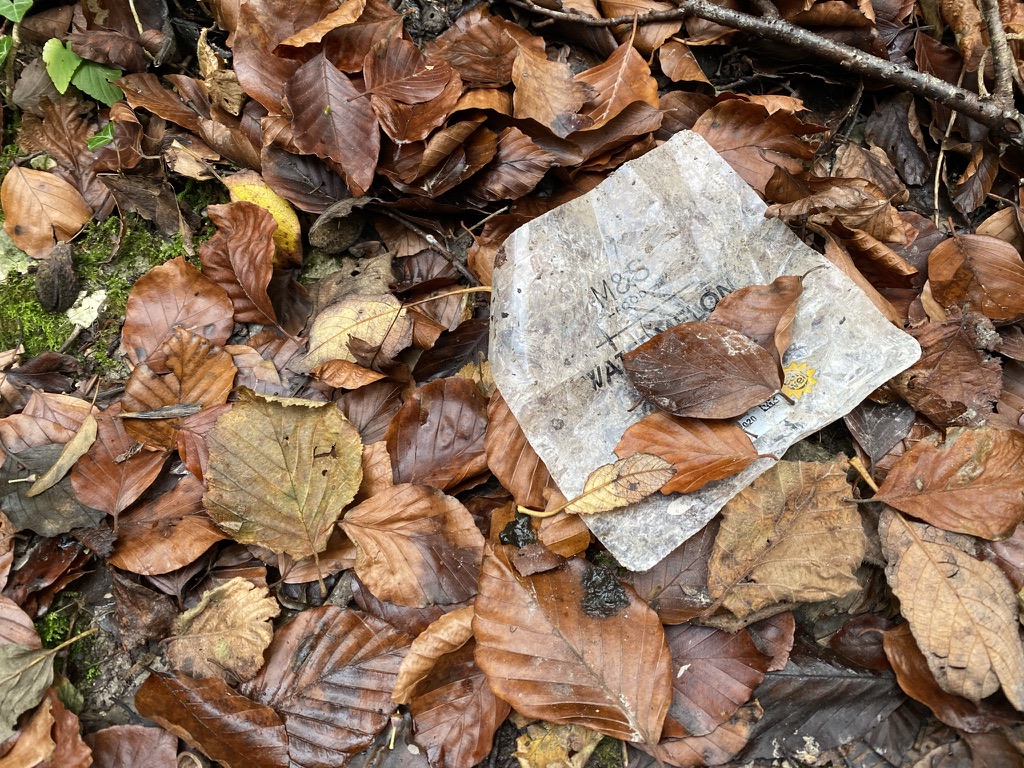
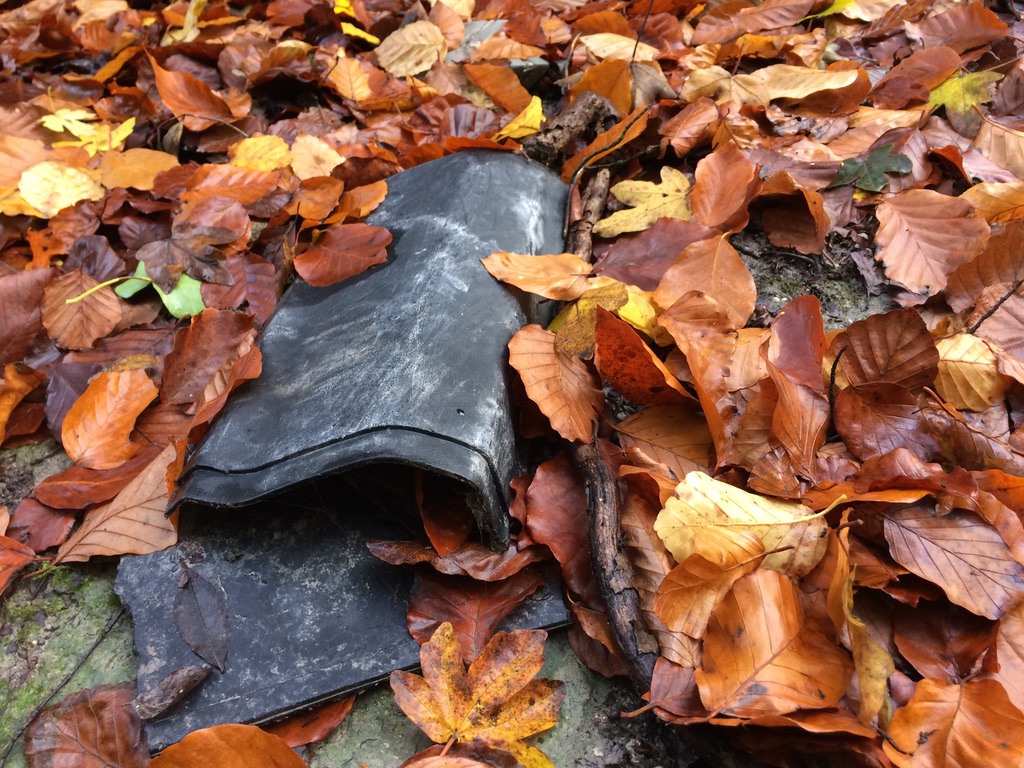
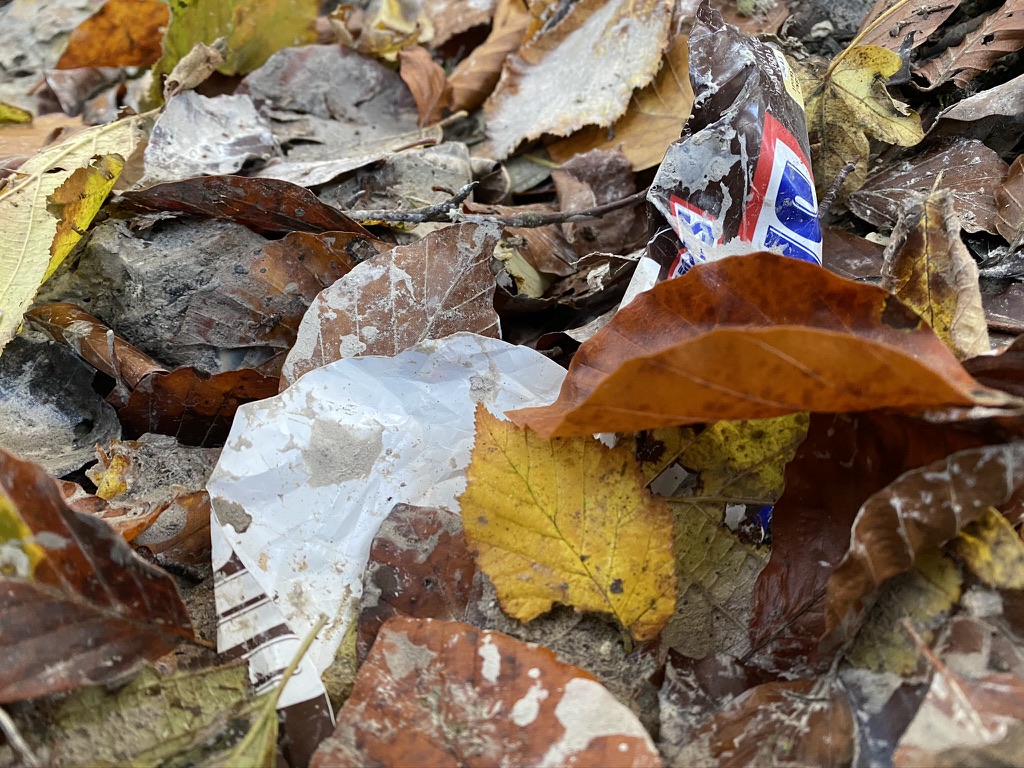
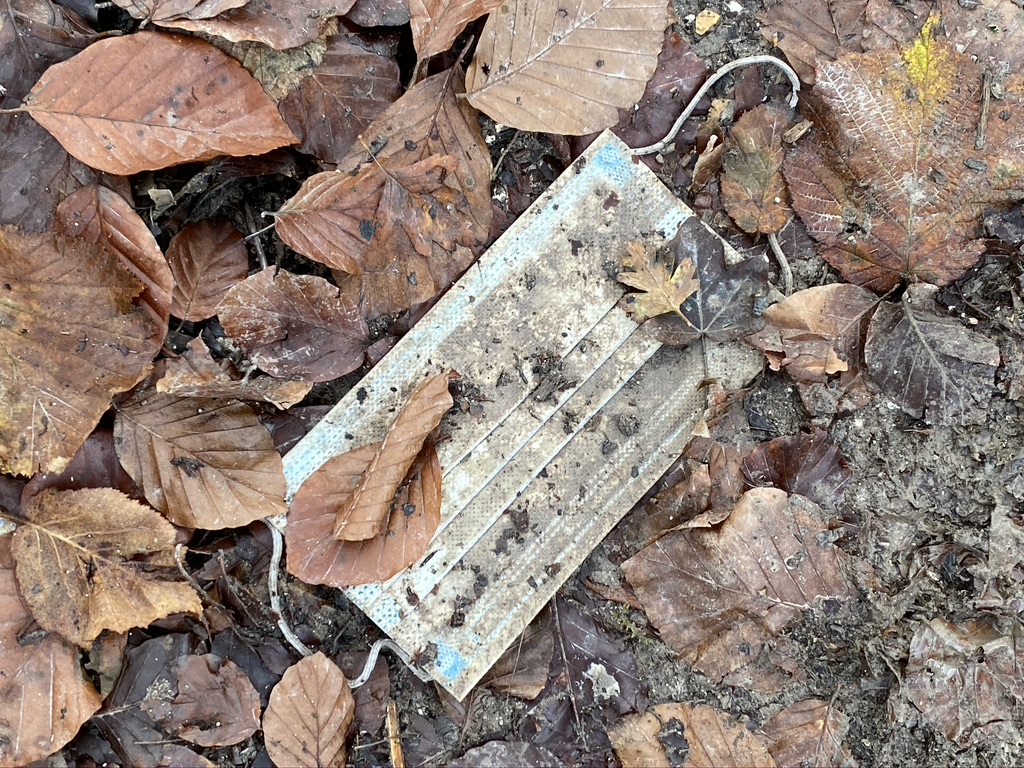
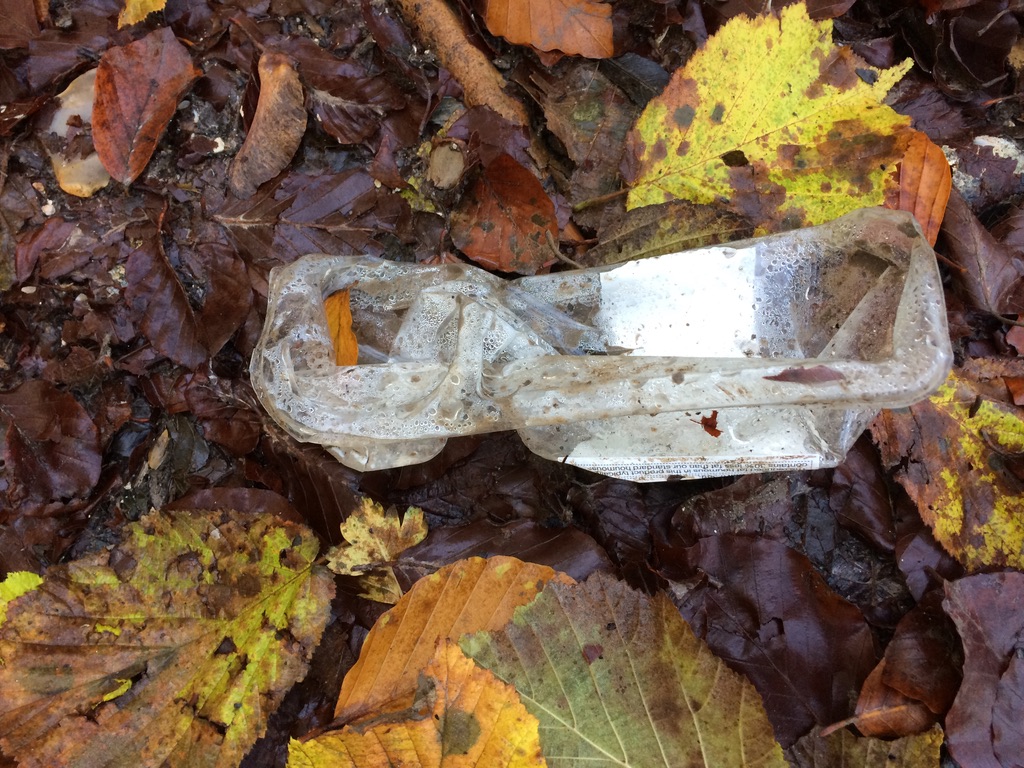
By placing these images in some form of horizontal arrangement below the formal drawing of the stately trees, I intend to make a link between the use of this specific landscape and the wider issues of plastic waste and abuse of the environment. My hoard of abject litter can also be incorporated into the final curation – an area needing much more thought and research.


The description of the insidiousness of the plastic and it’s desperate clinging on to survive as it gets smaller and smaller is fascinating. And your drawing of the McDonalds drink lid and straw looks organic, looks natural. Great to see the drawigs.
LikeLike